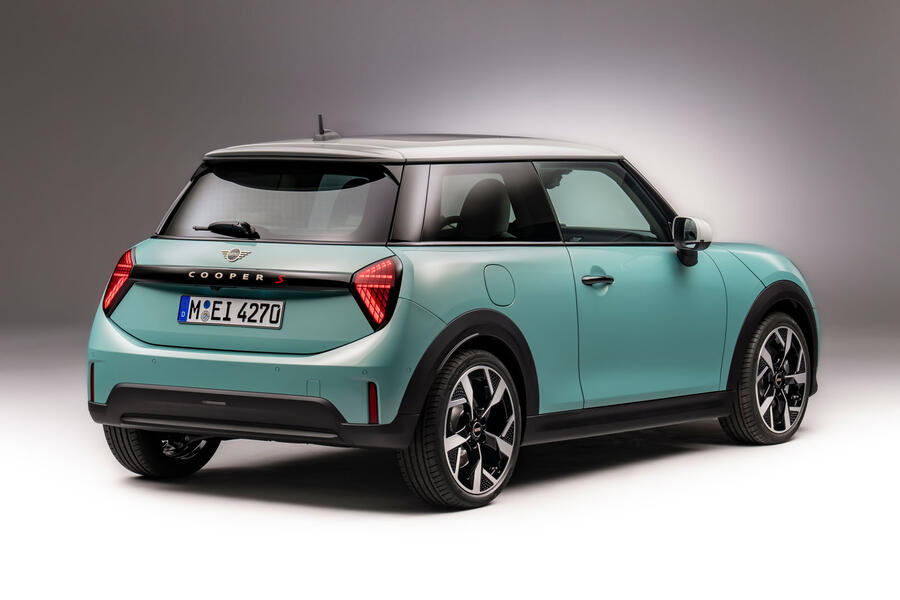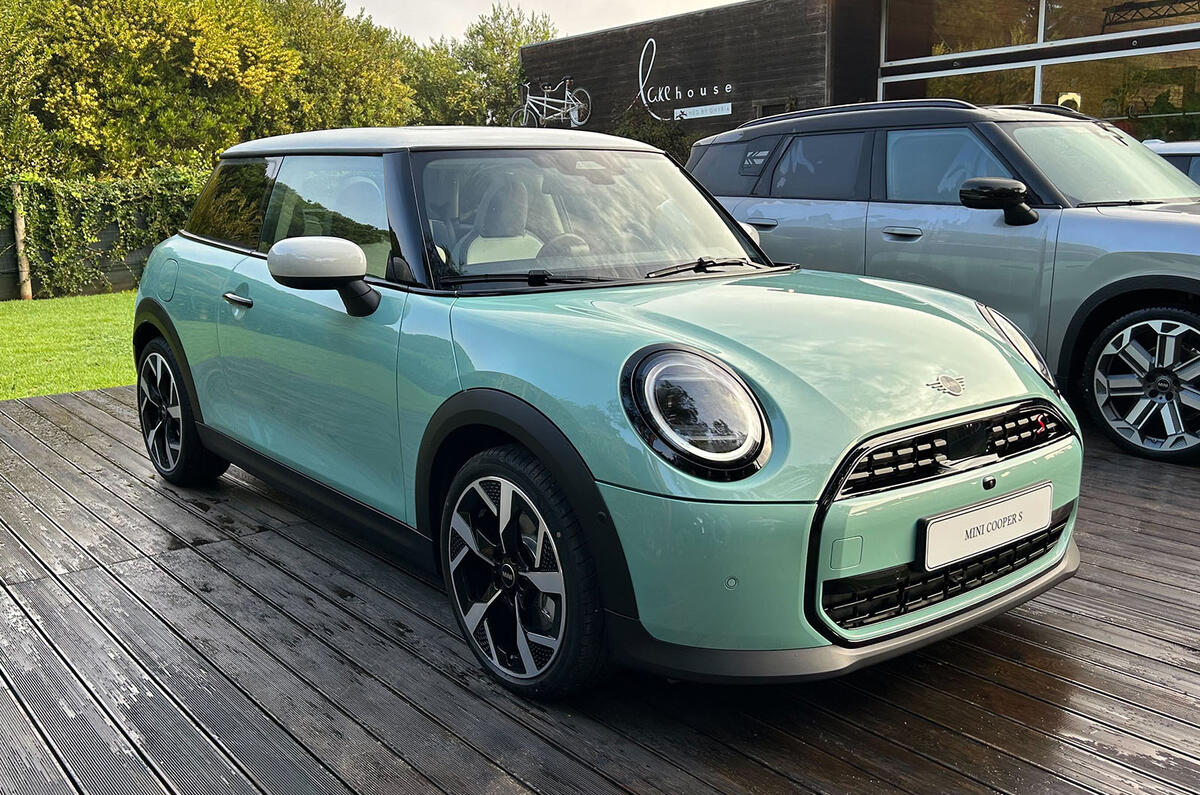
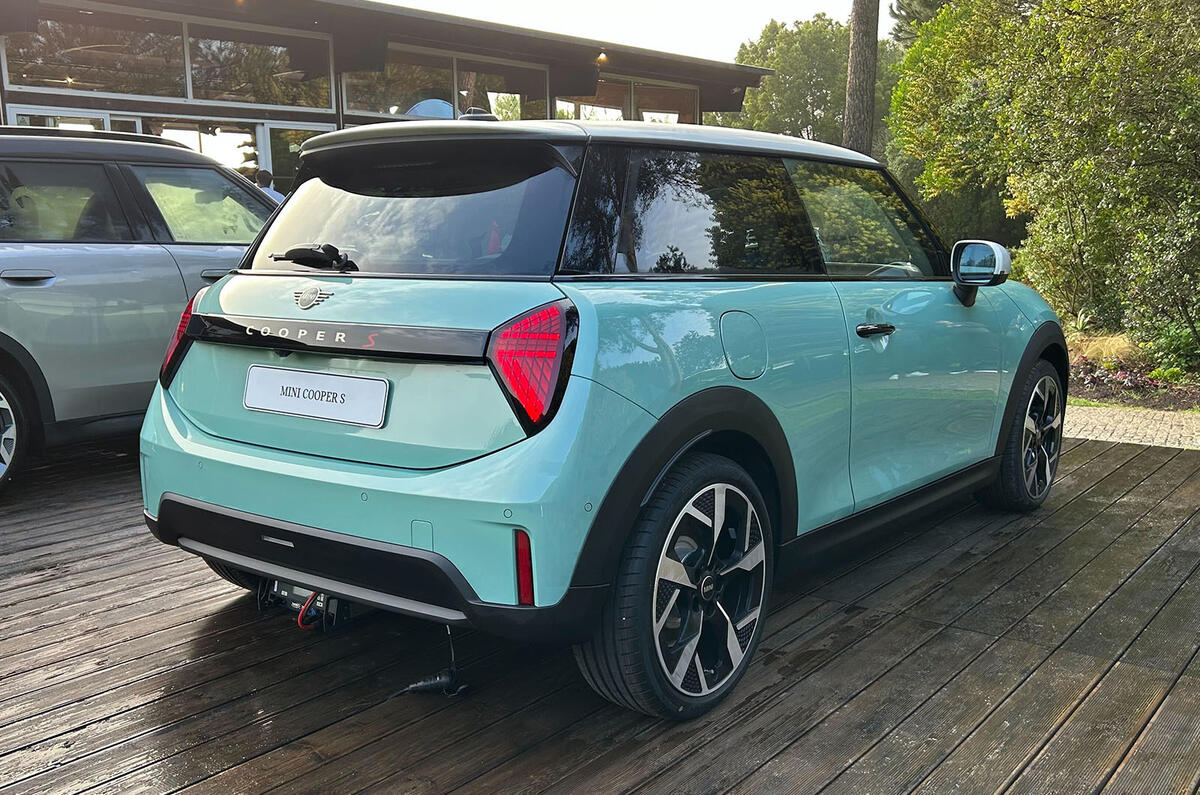
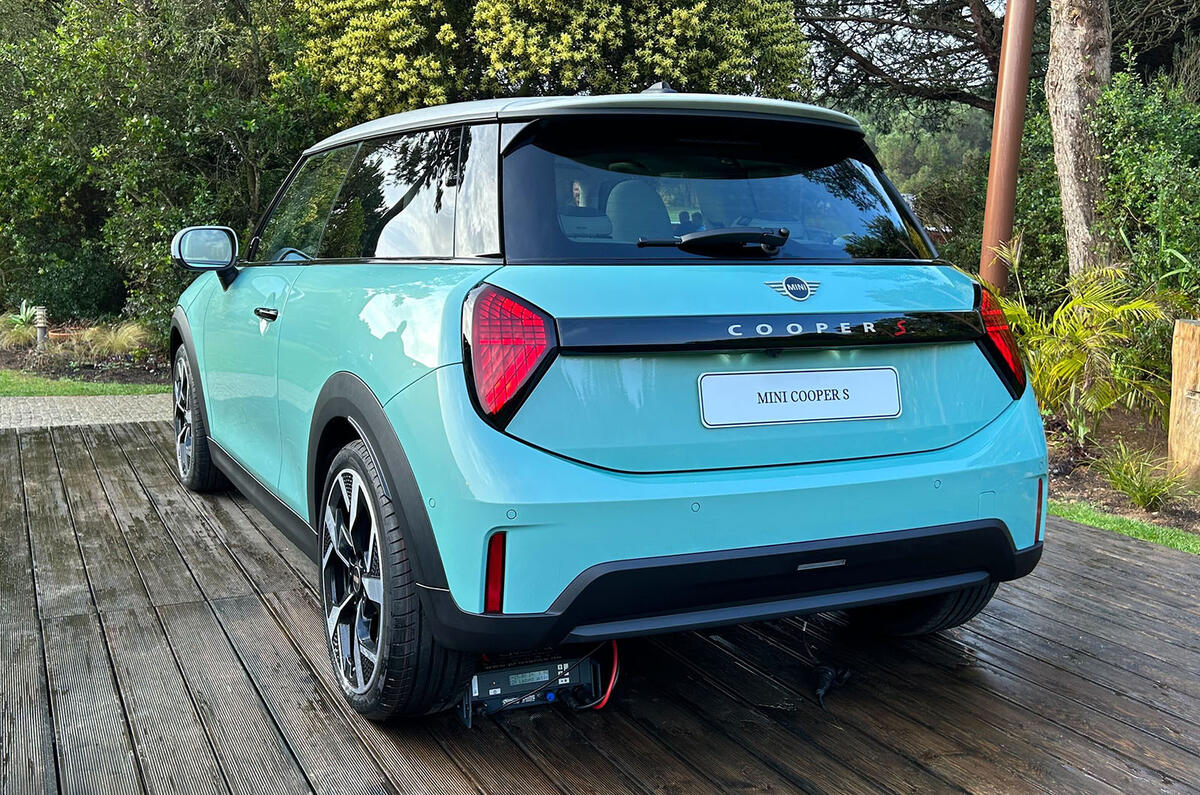
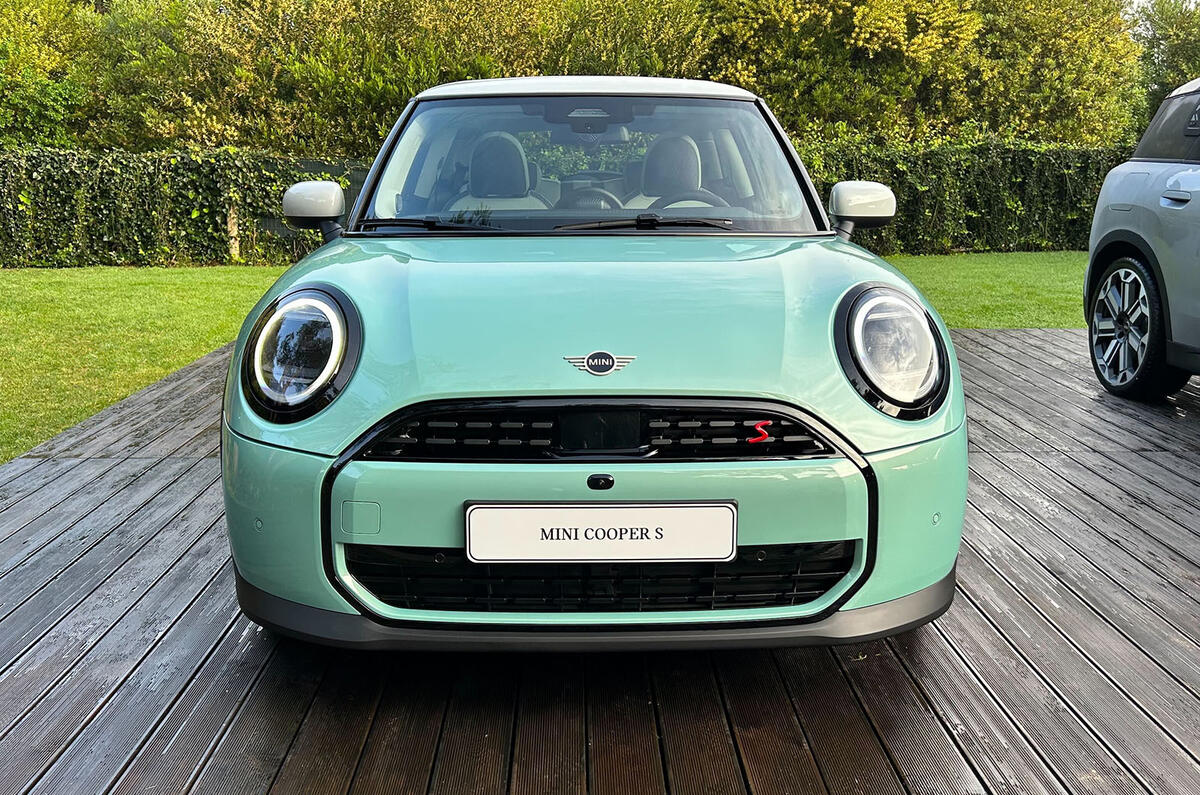
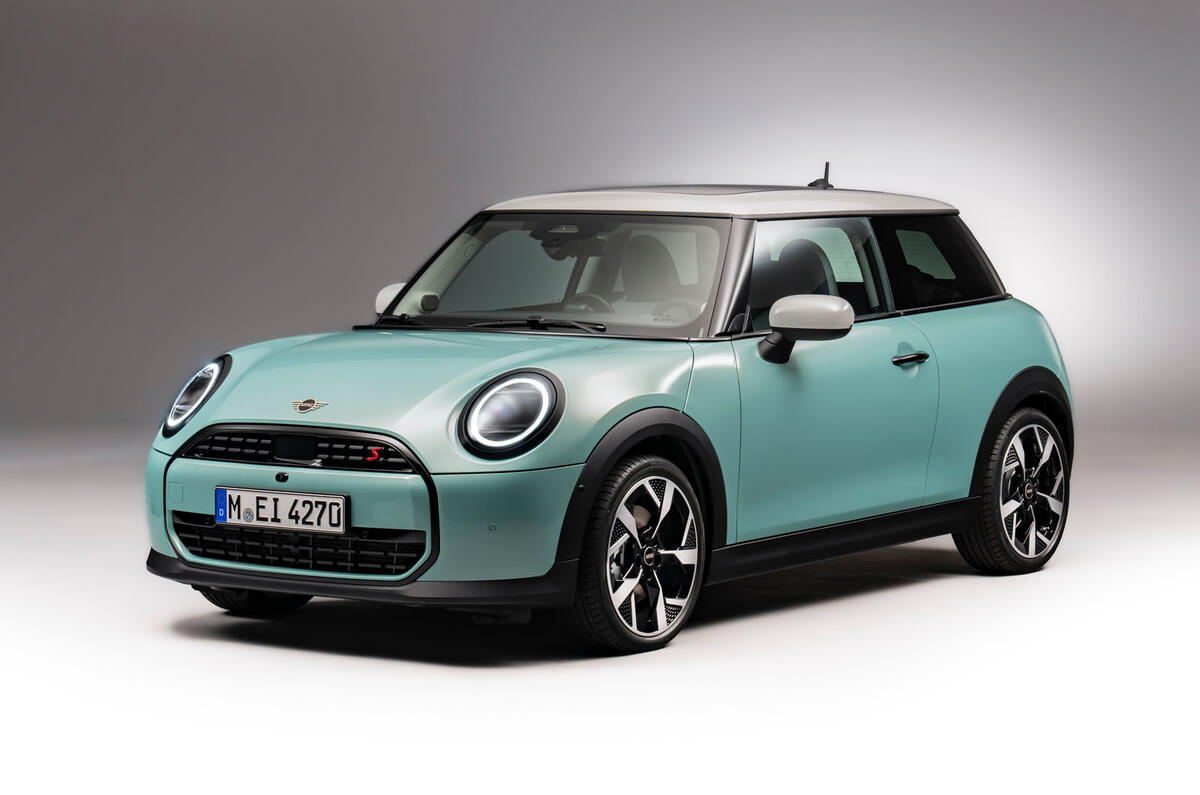
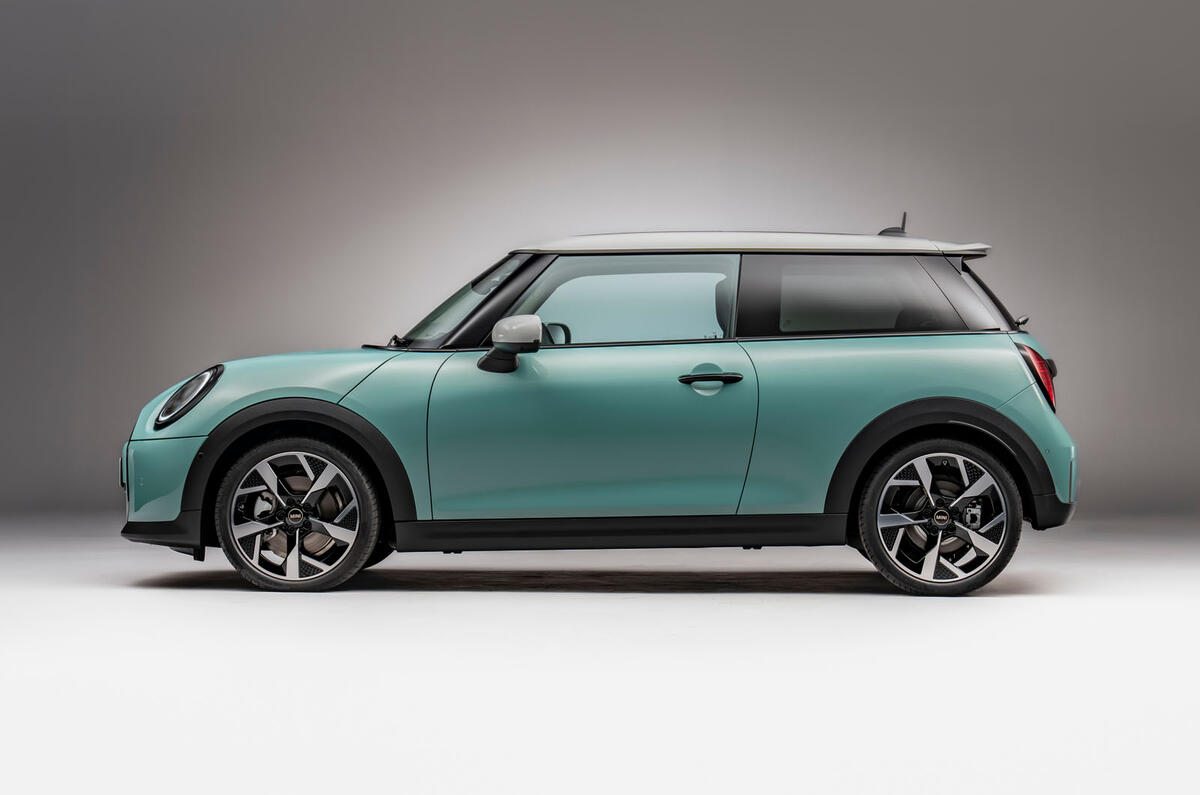
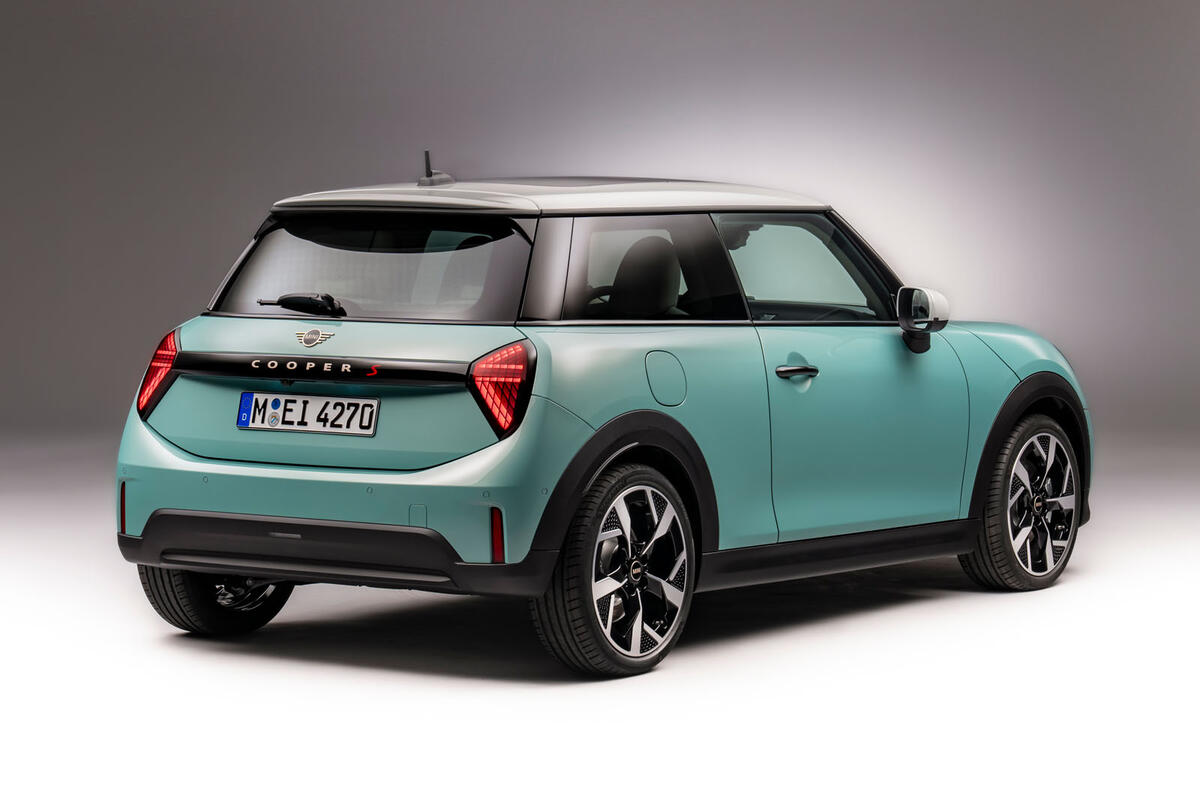
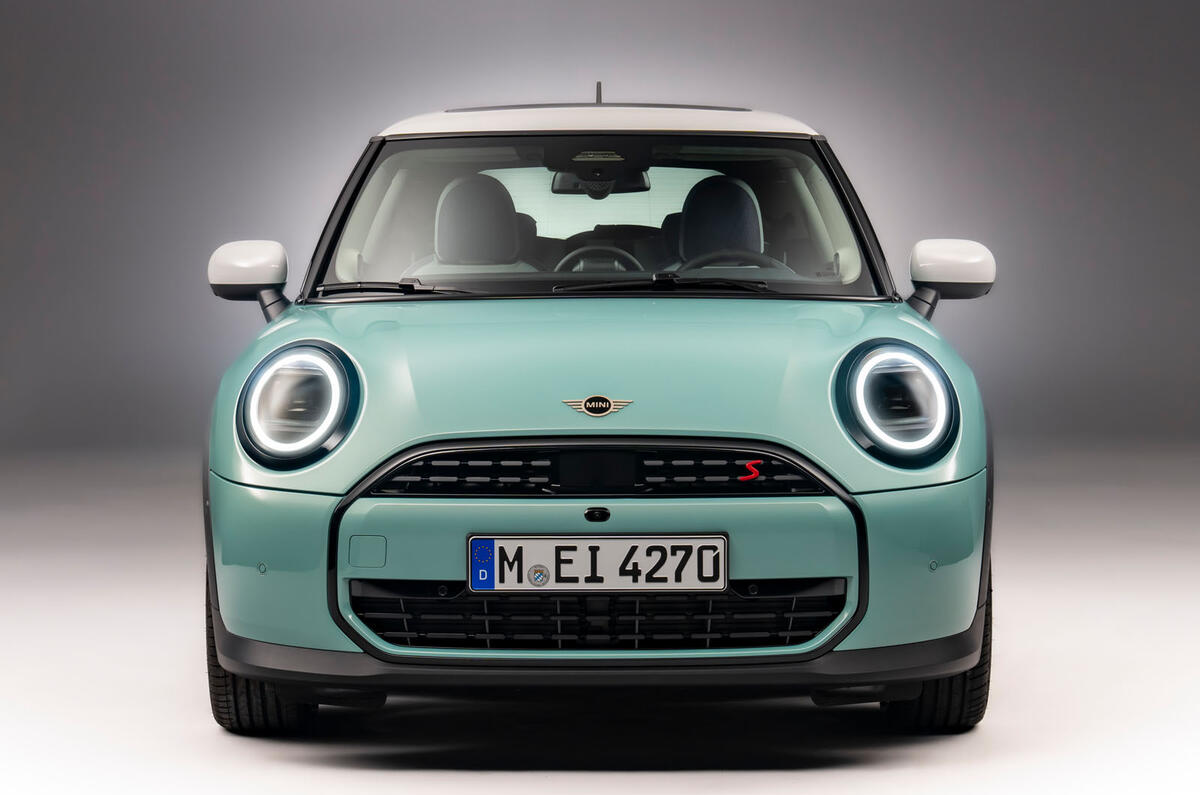
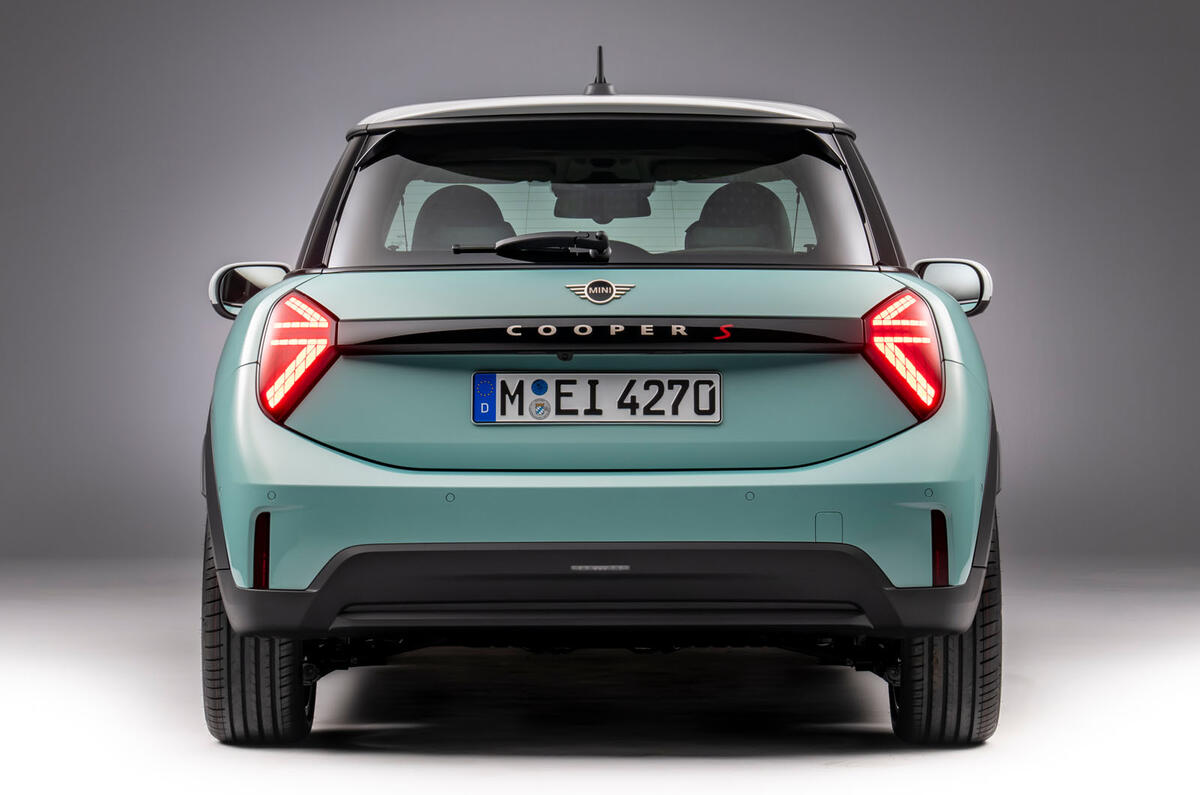
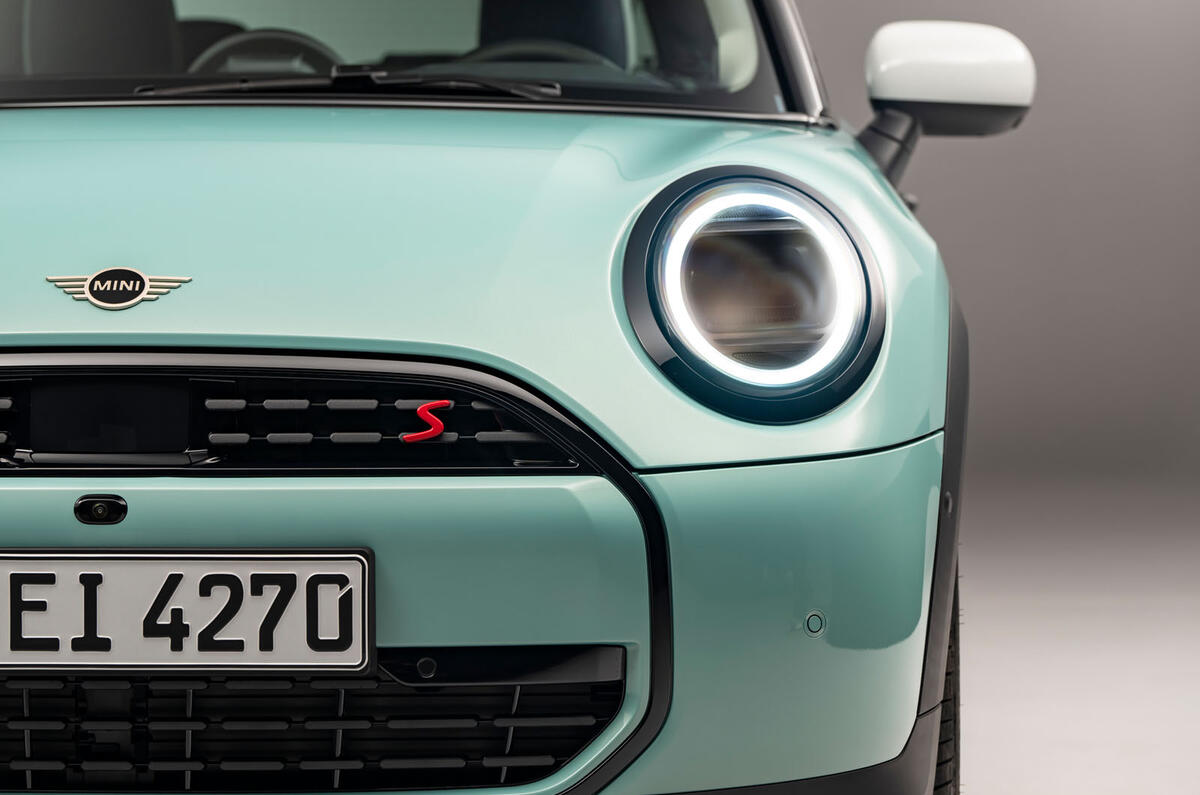
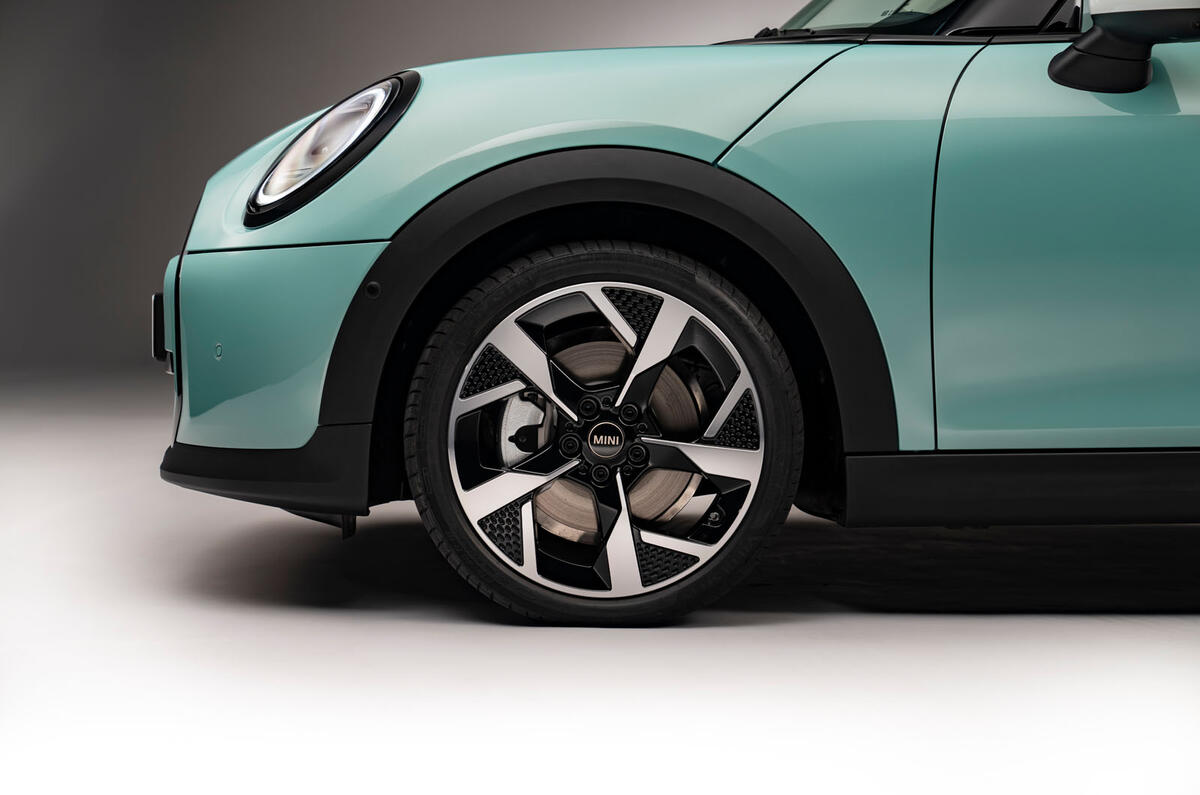
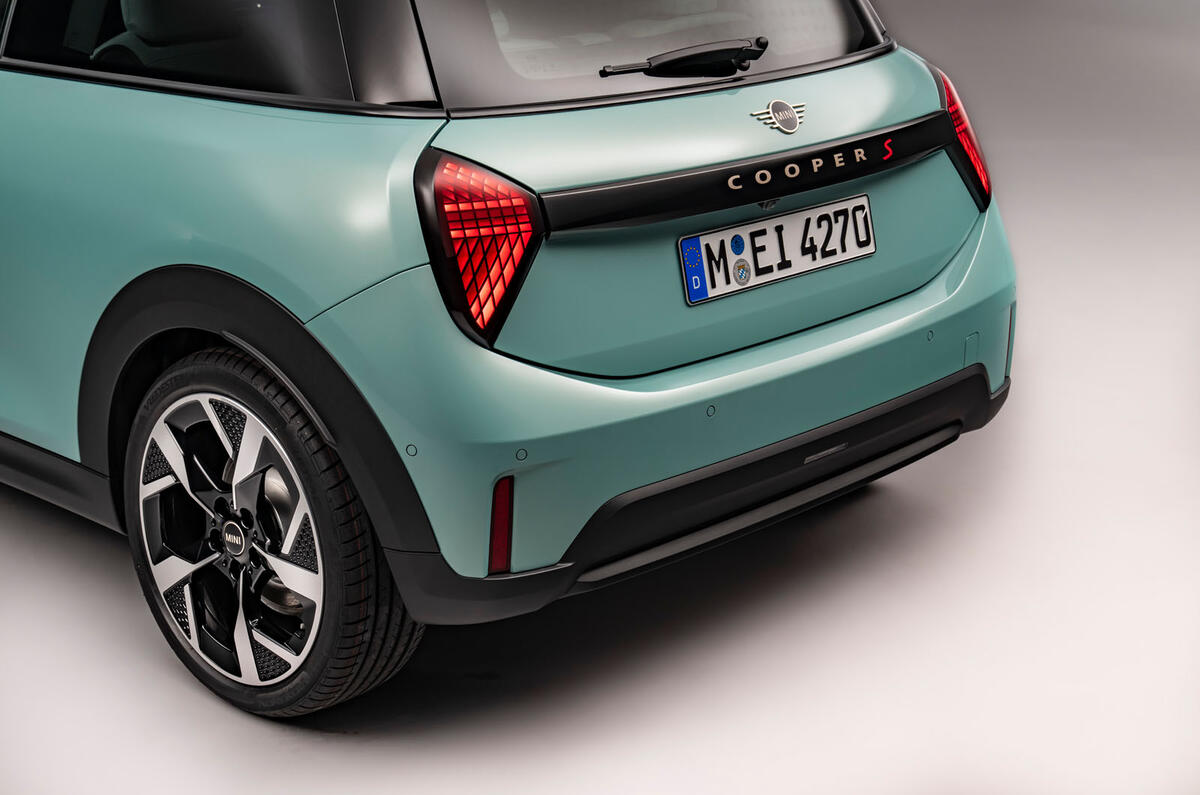
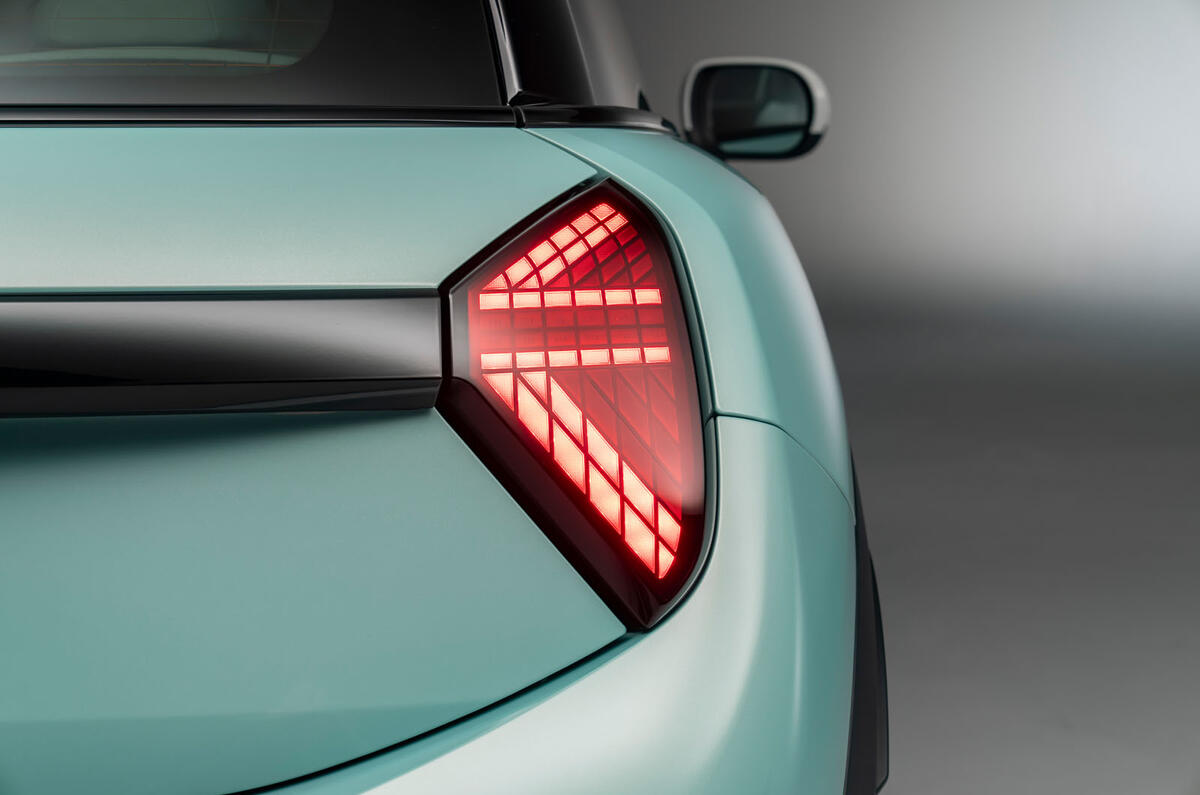
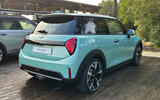
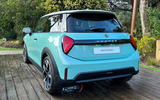
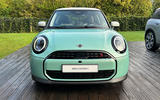
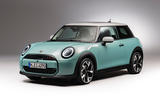
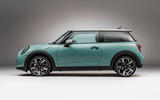
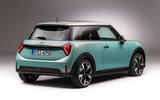
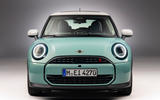
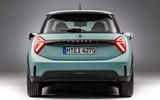





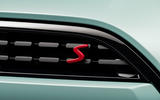
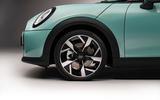
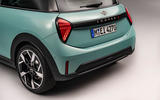
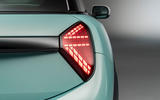

Mini has lifted the curtain on the final combustion-engined iteration of its three-door hatchback, now designated the Cooper – saying it has prioritised “agile handling, driving pleasure, safety and comfort”.
Taking visual inspiration from the 1959 original, the hatch has been the mainstay of the Mini line-up since BMW relaunched the brand in 2000.
The fourth-generation model is all but identical to the new electric three-door visually but entirely unrelated mechanically.
While the electric car is based on a bespoke EV platform, the ICE car is a heavy update of the current model.
Indeed, it will offer the same two turbocharged petrol engines as the third-generation hatch, although with marked rises in output.
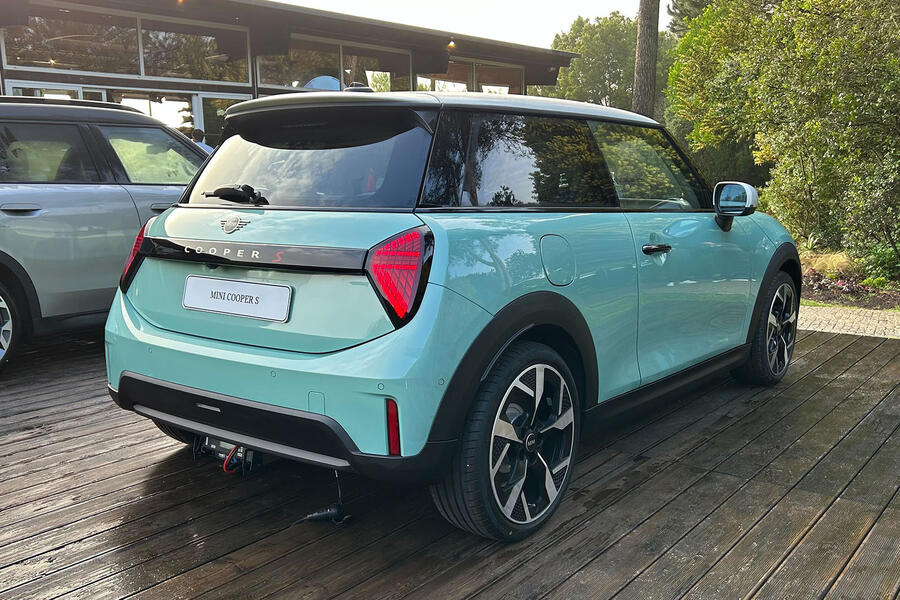
The 1.5-litre triple in the entry-level Cooper C gains 20bhp for a total of 154bhp, making it 0.4sec quicker from 0-62mph (taking 7.7sec) but 3.5mpg less economical.
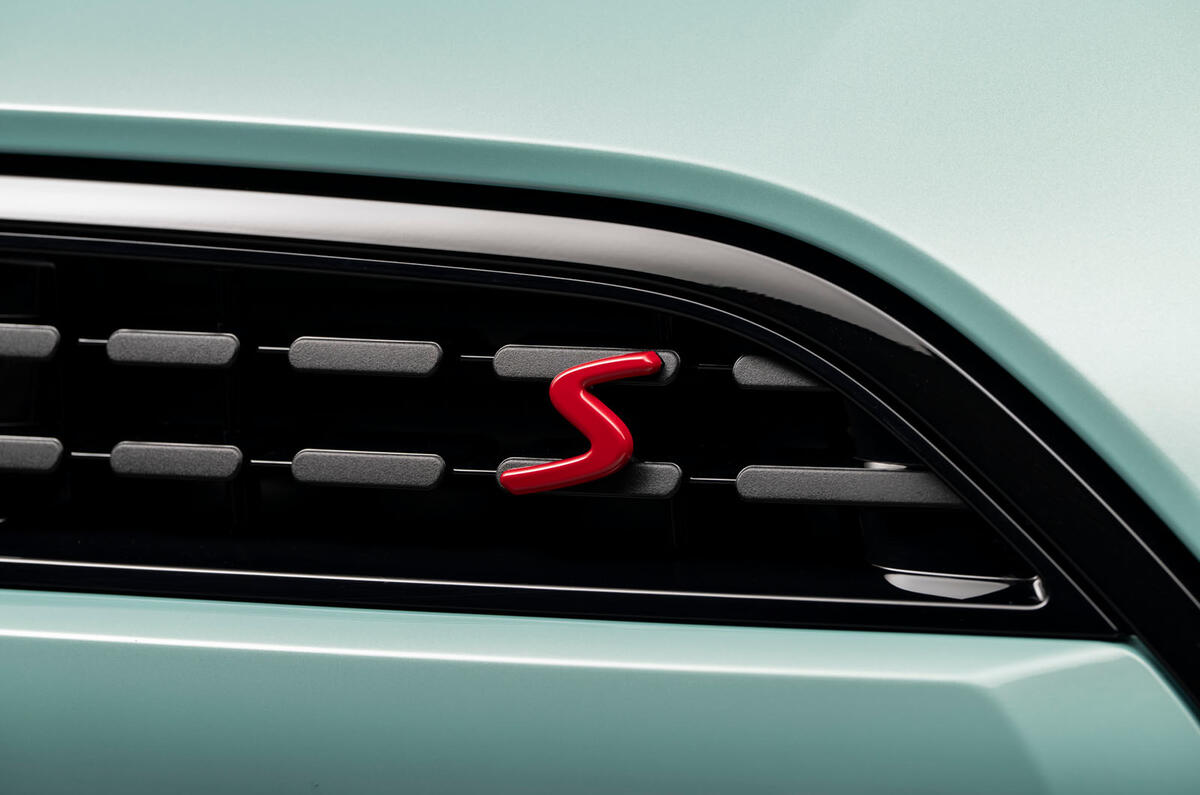
The 2.0-litre four-cylinder in the Cooper S, meanwhile, is boosted by 25bhp to 201bhp. Its 0-62mph time remains at 6.6sec, but that is still quicker than the range-topping electric Cooper SE (6.7sec).
Both cars get an automatic gearbox only. Mini previously said it was “99% sure” that the option of a manual wouldn’t return, having said goodbye to stick-shifts with the John Cooper Works 1to6 special.
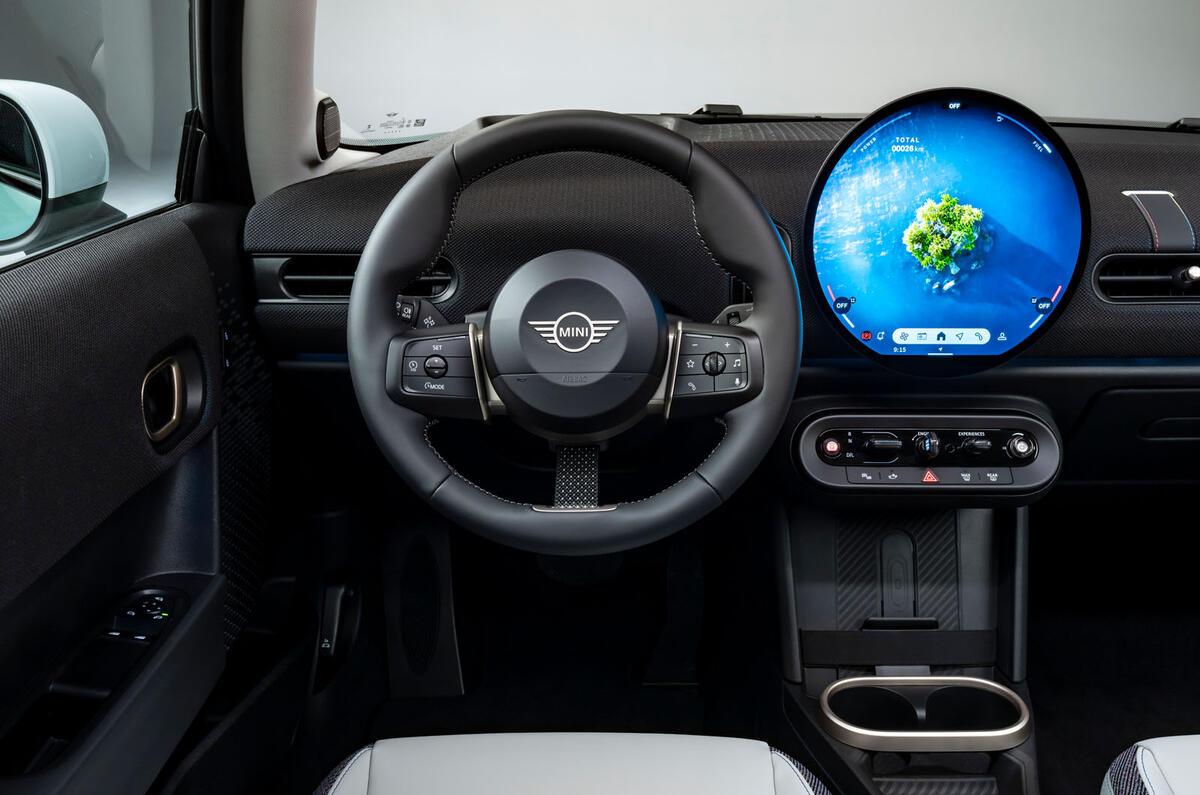
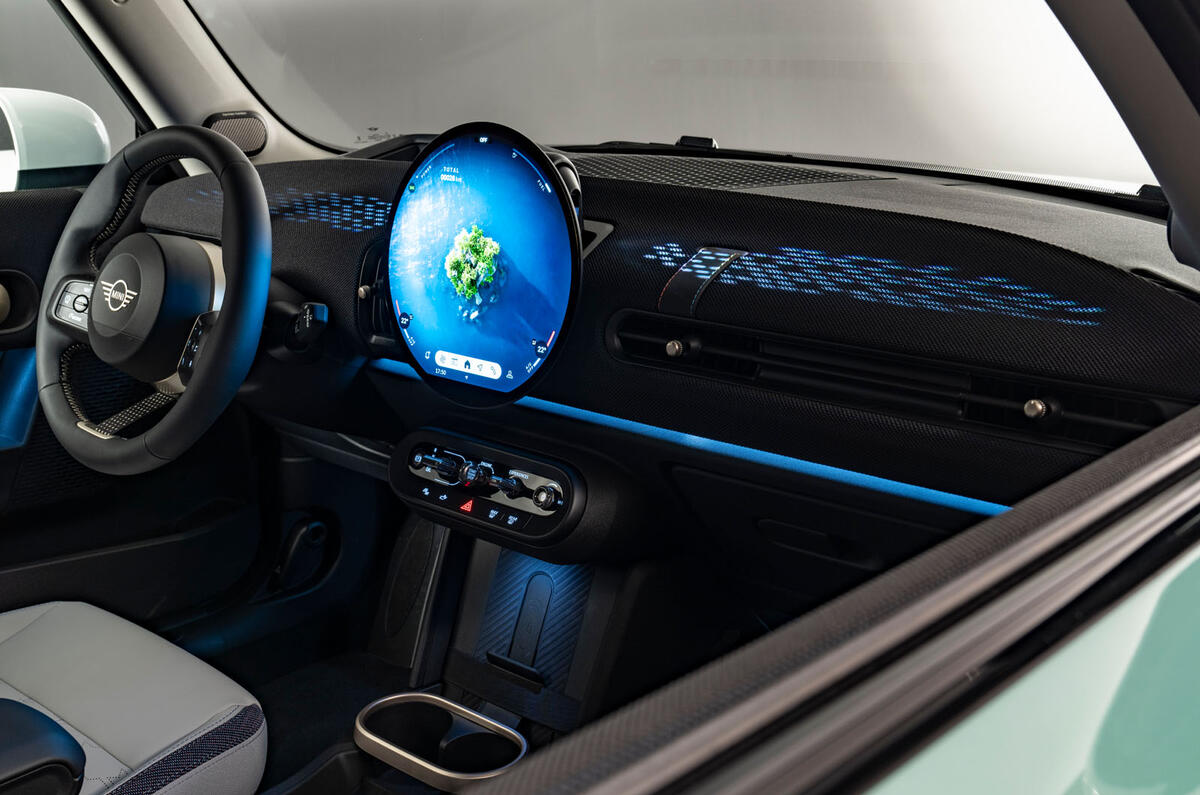
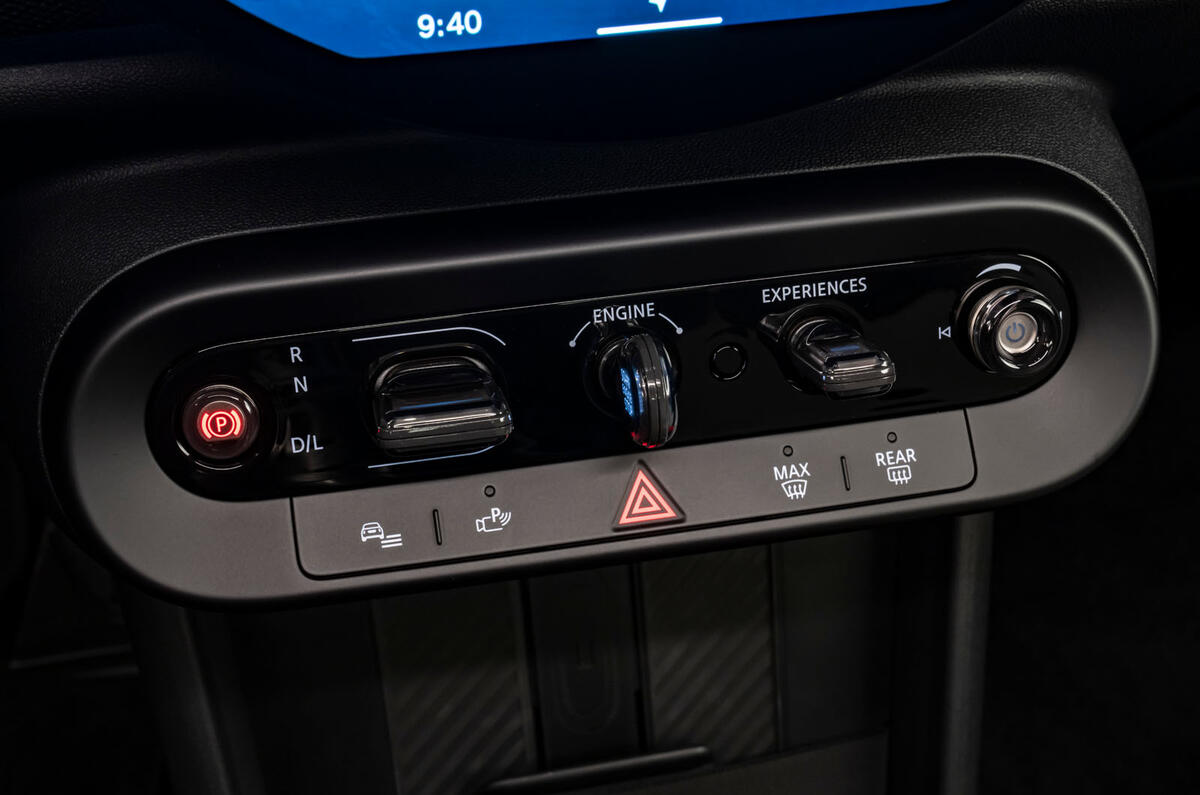
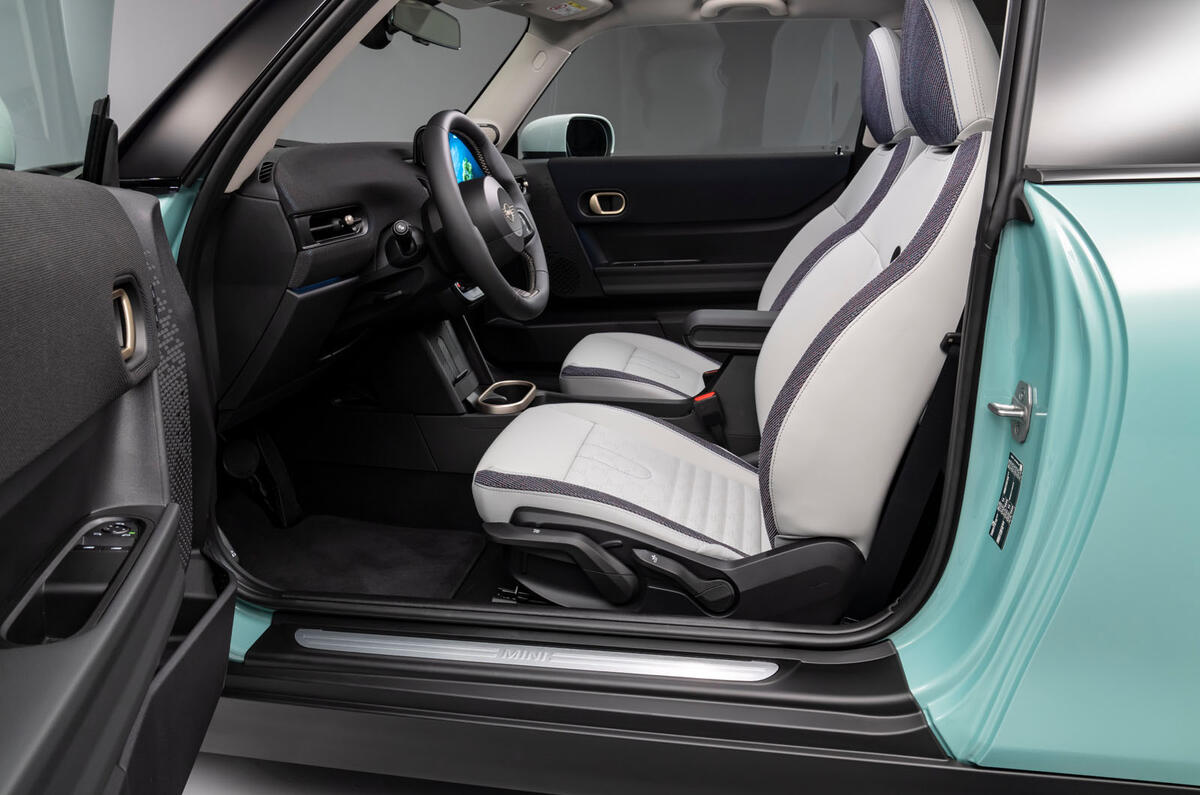
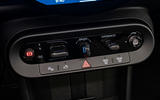
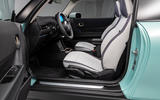
Inside, the new petrol three-door features a minimalist dashboard centred on the OLED infotainment display.
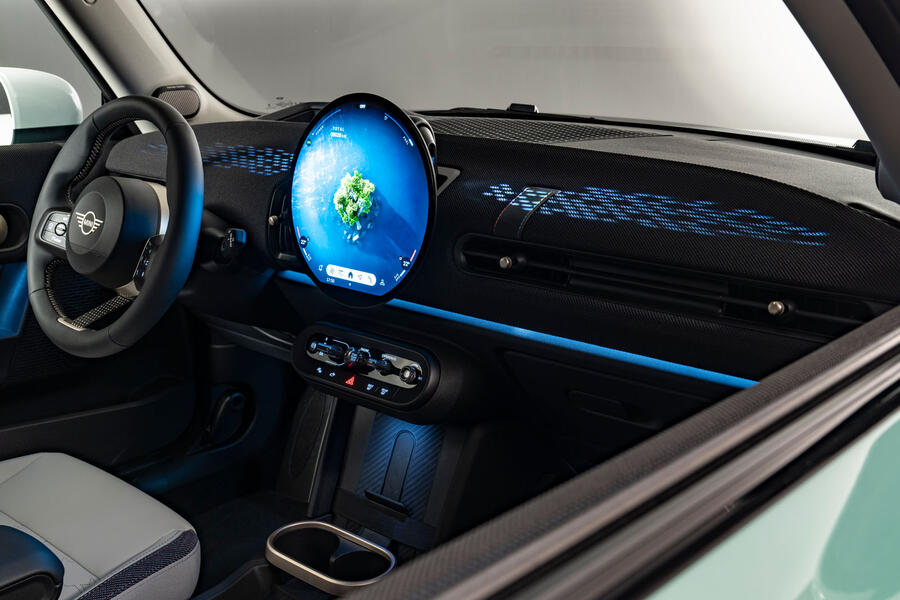
This is claimed by Mini to be the first round OLED touchscreen in a production car, hosting critical information about it (such as road speed and fuel economy) at the top and a menu bar at the bottom.