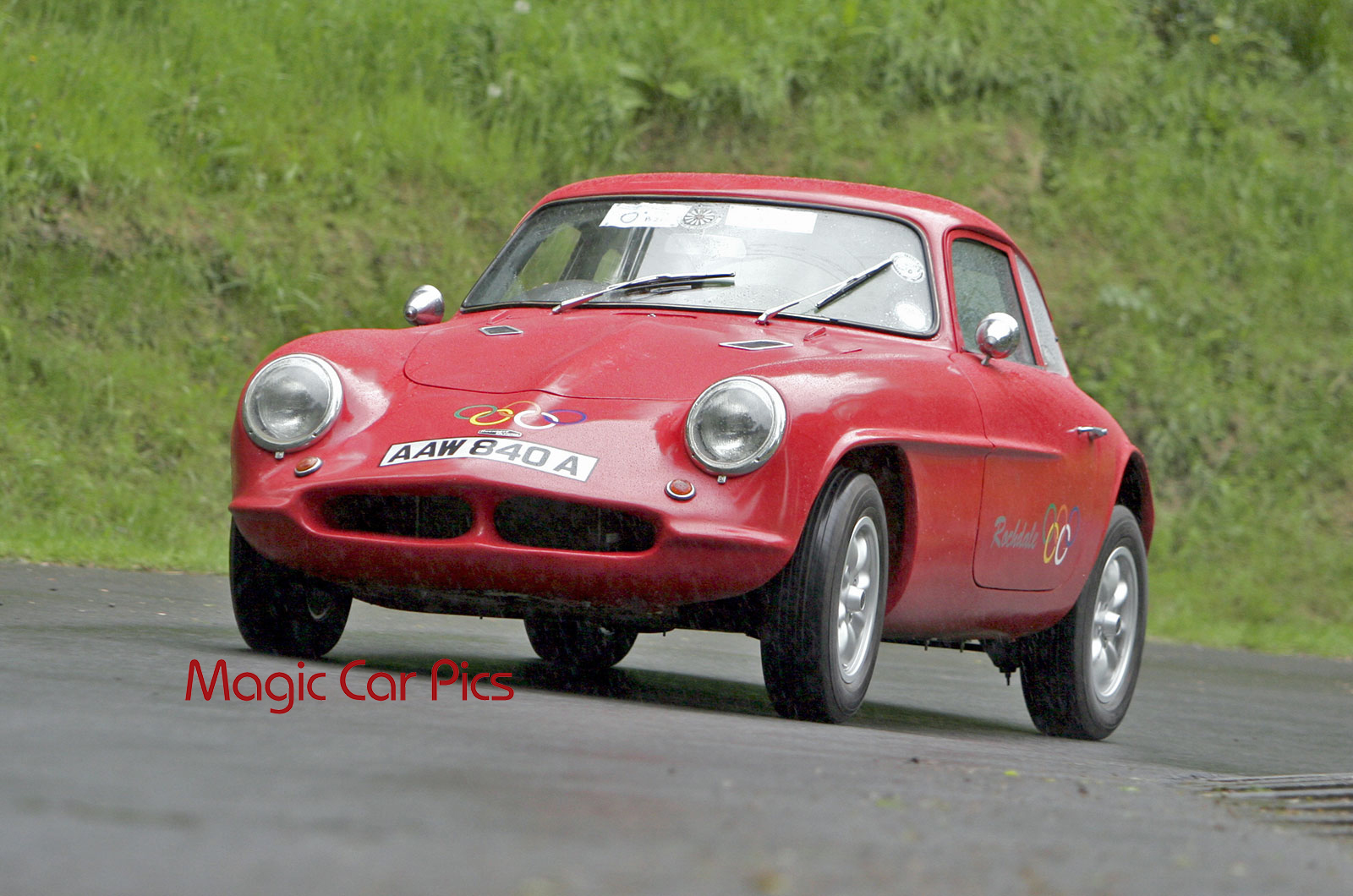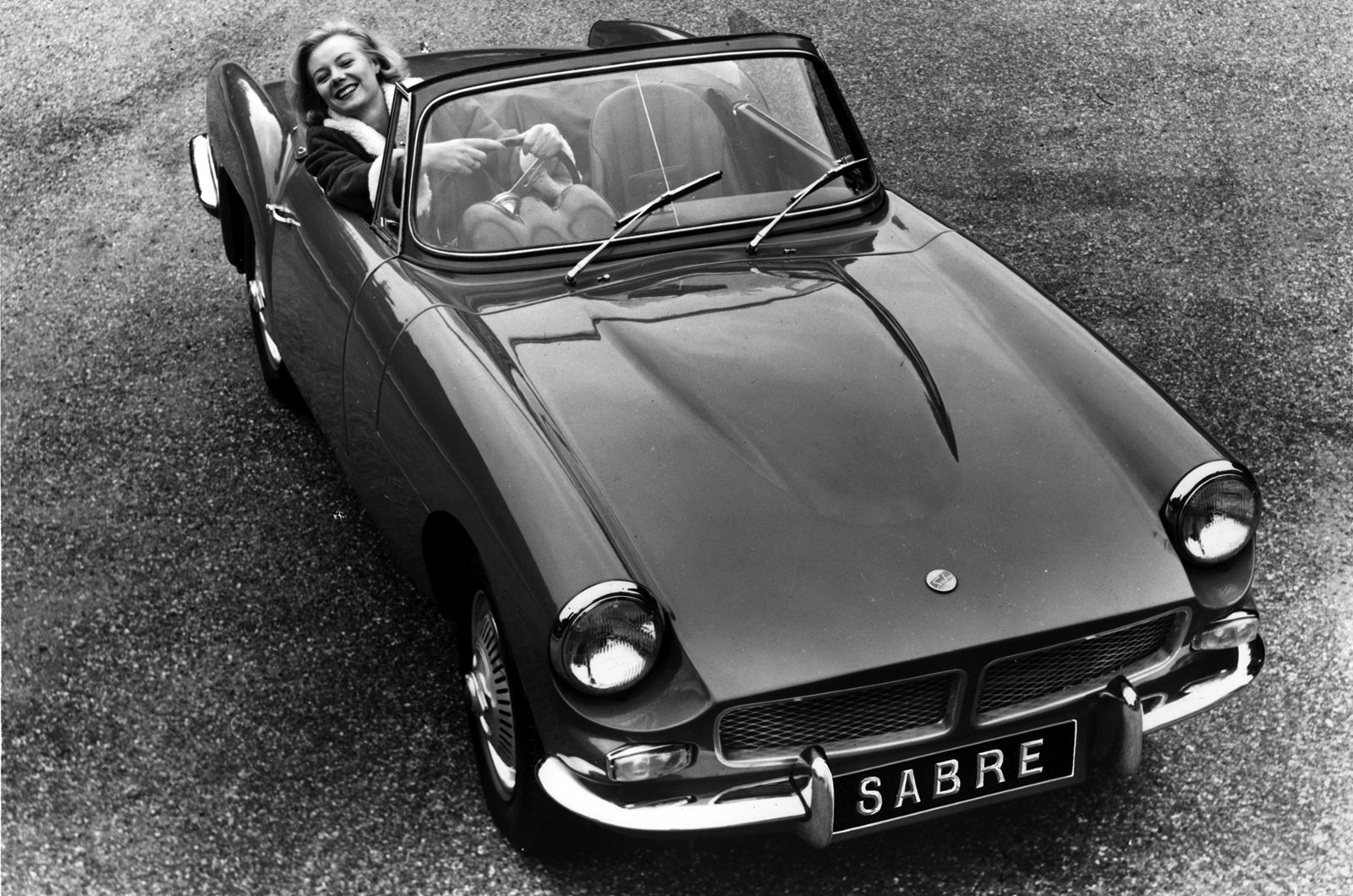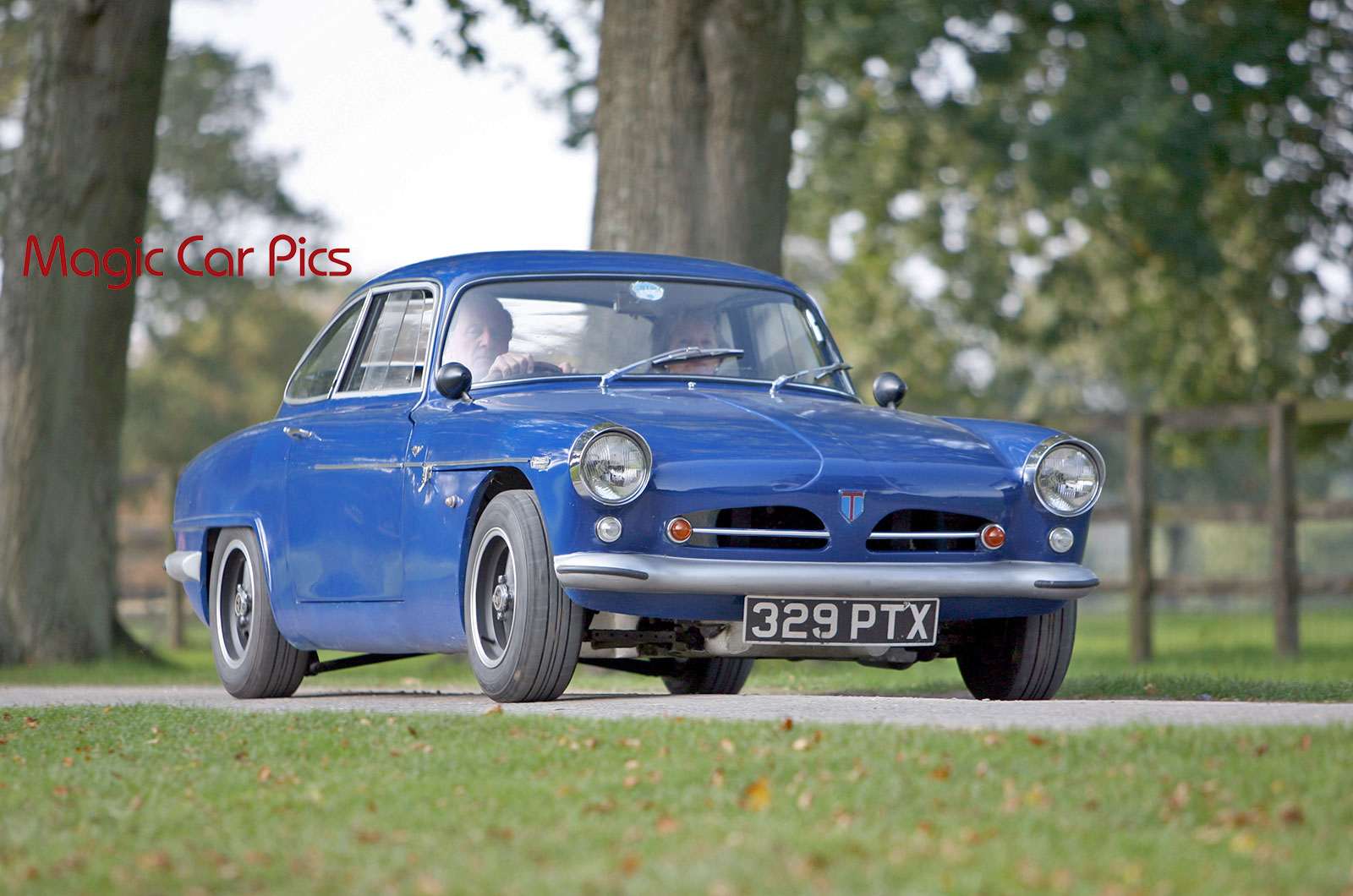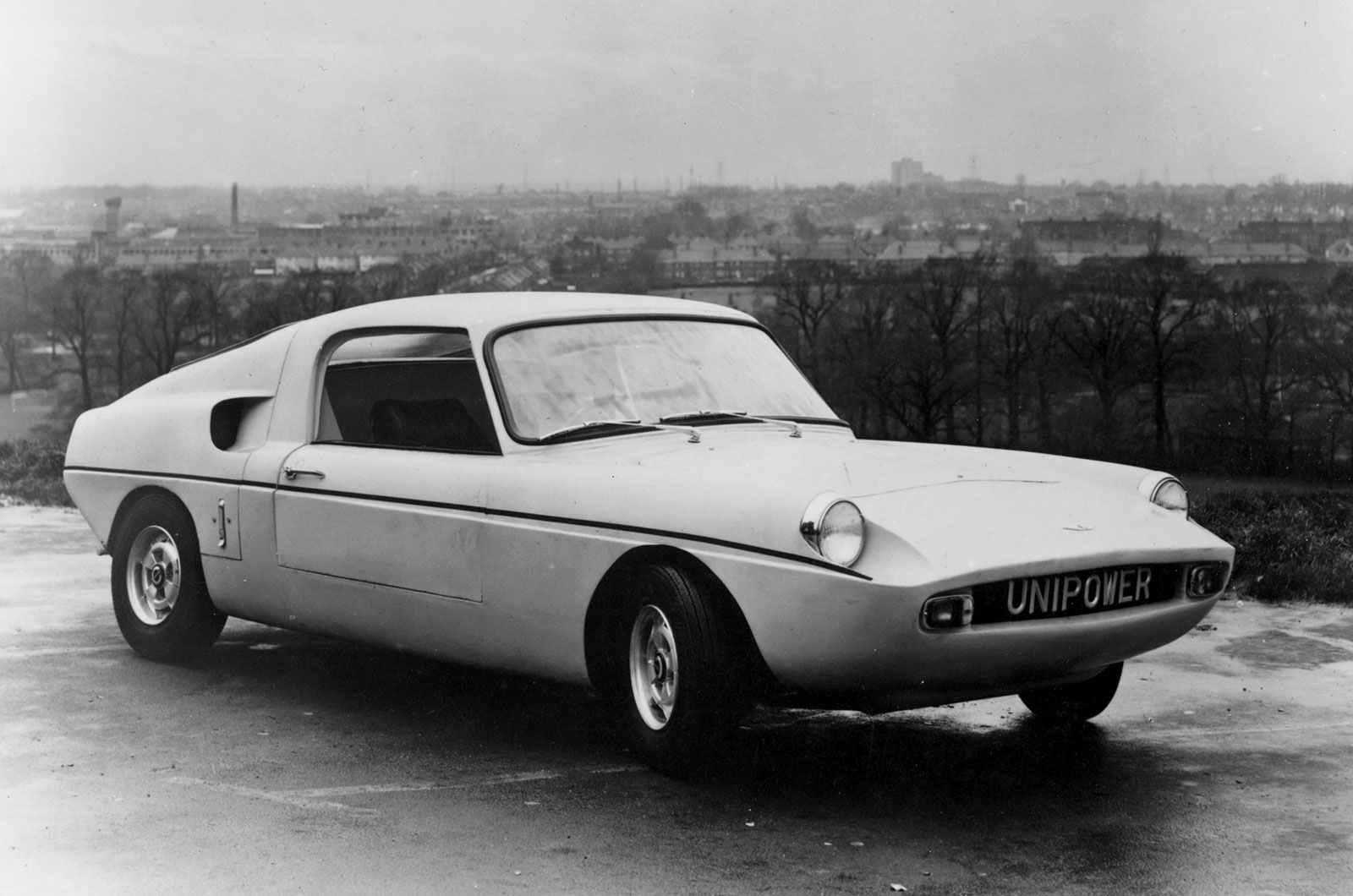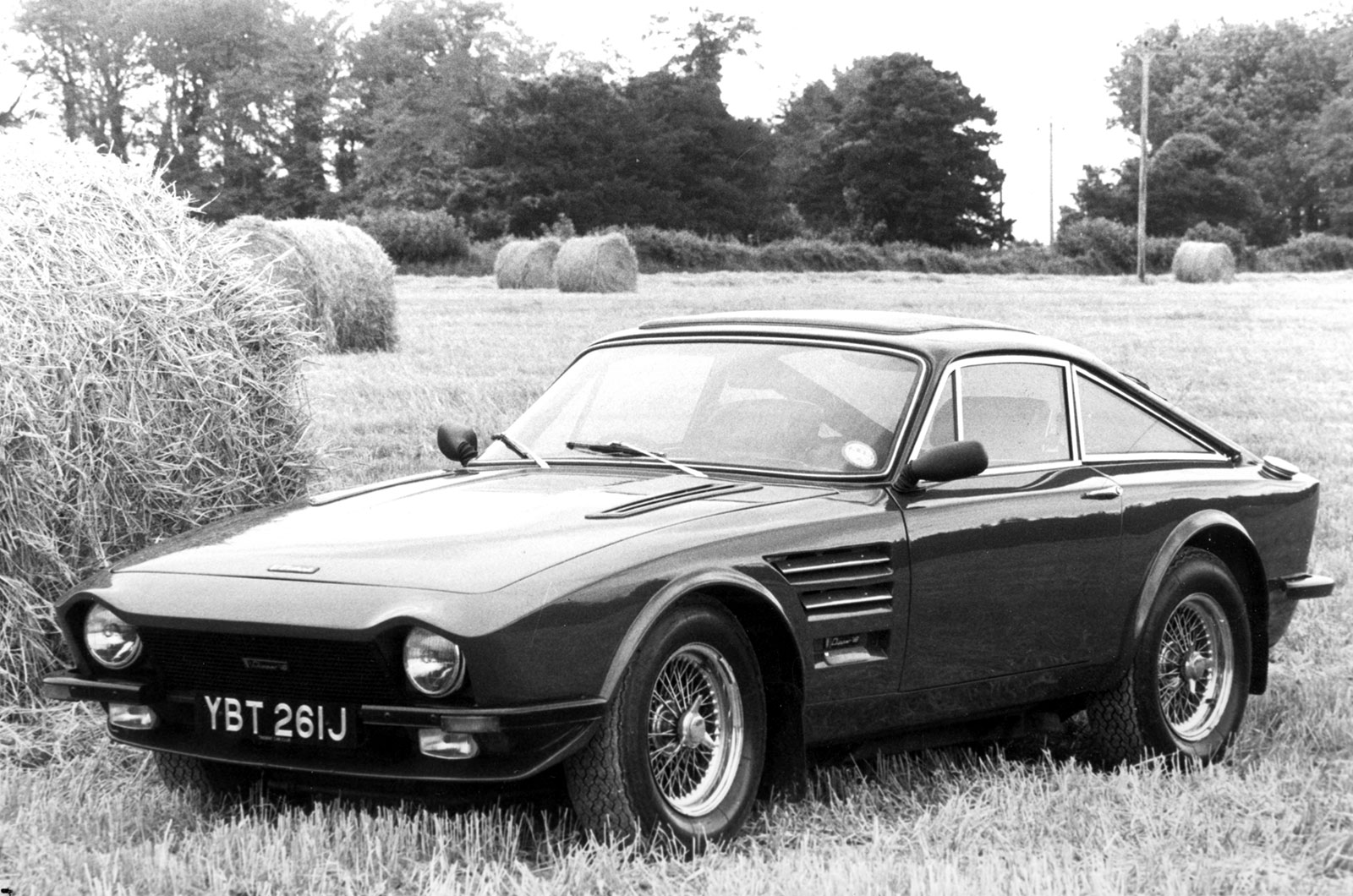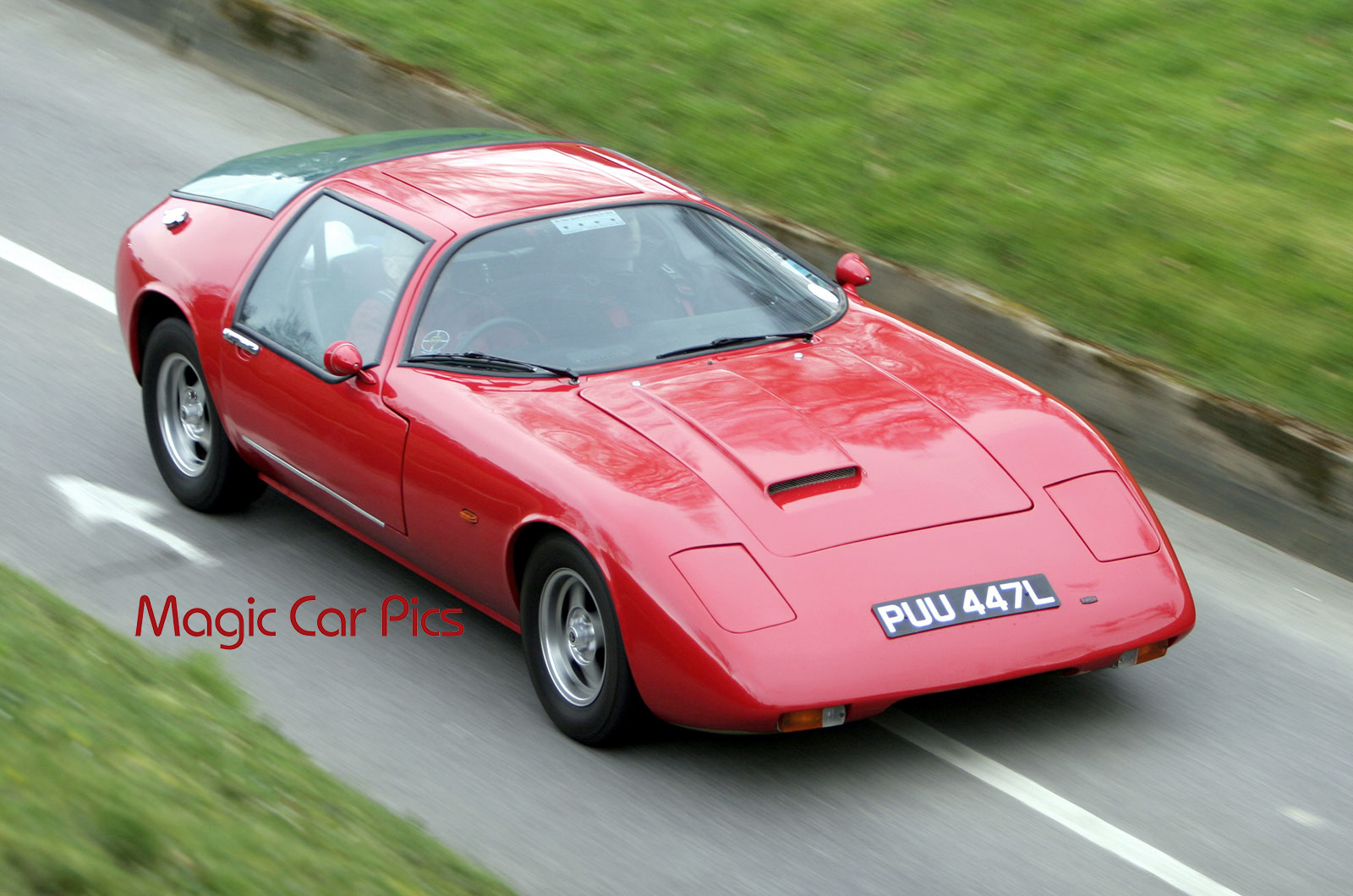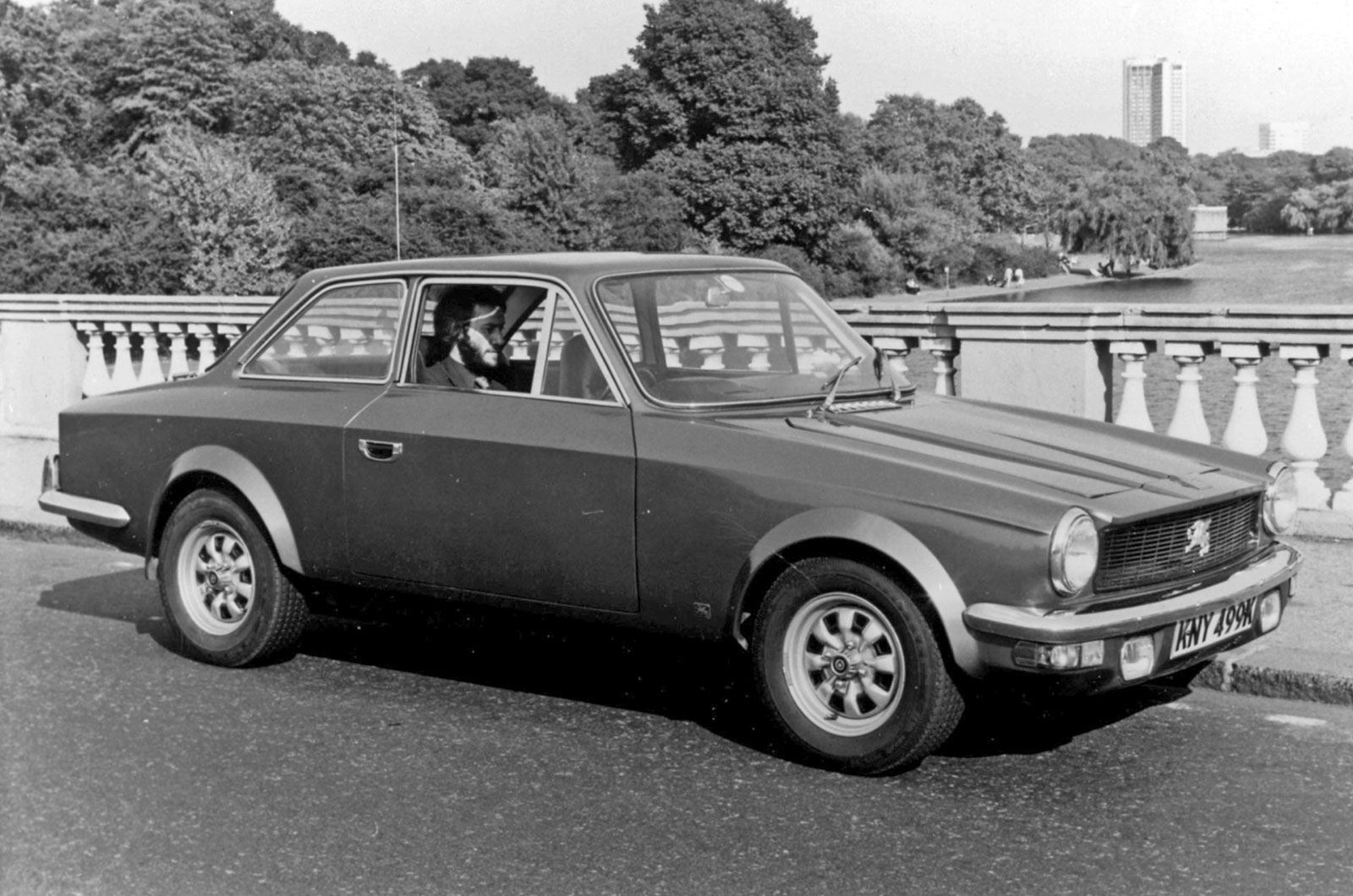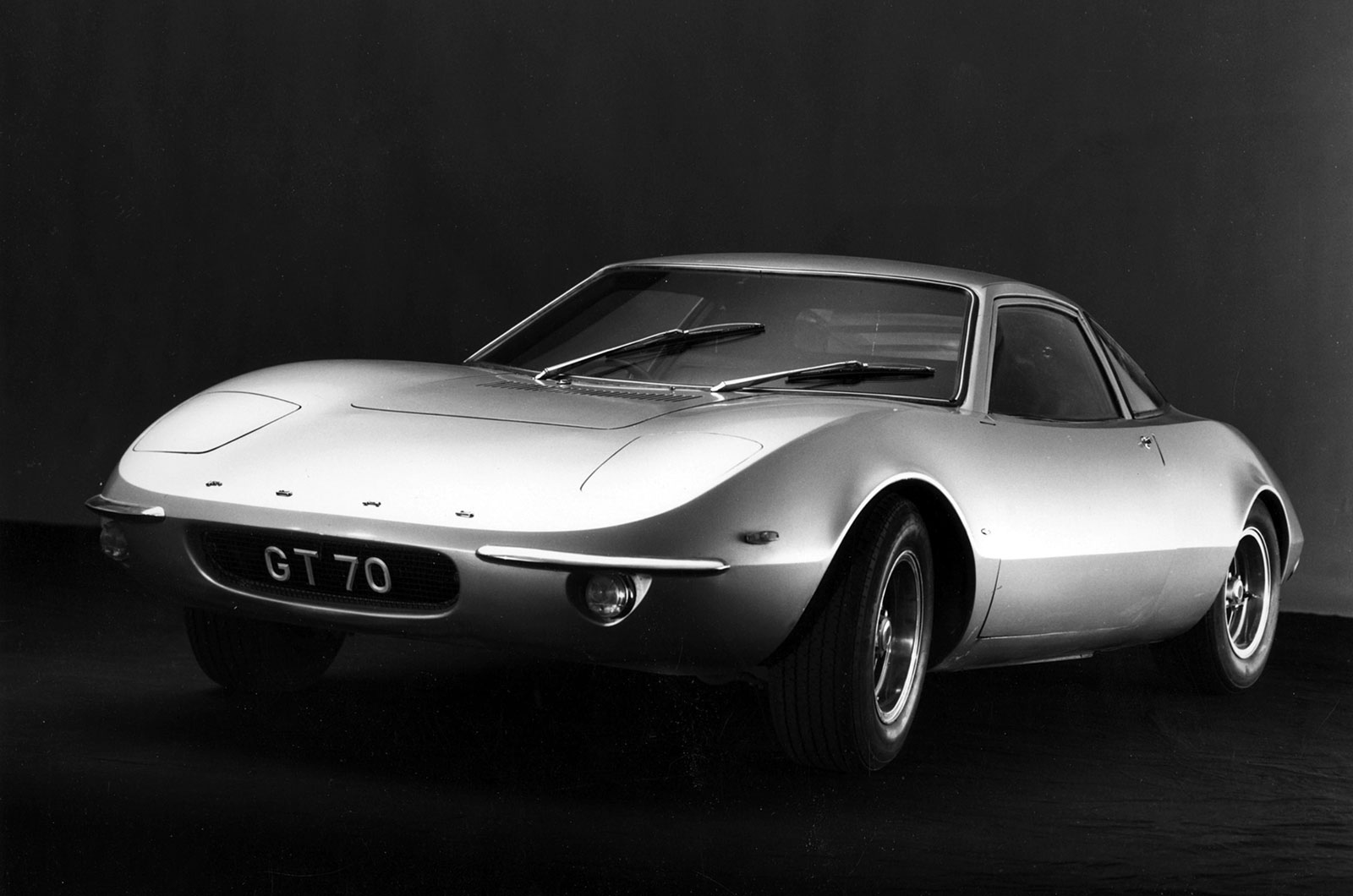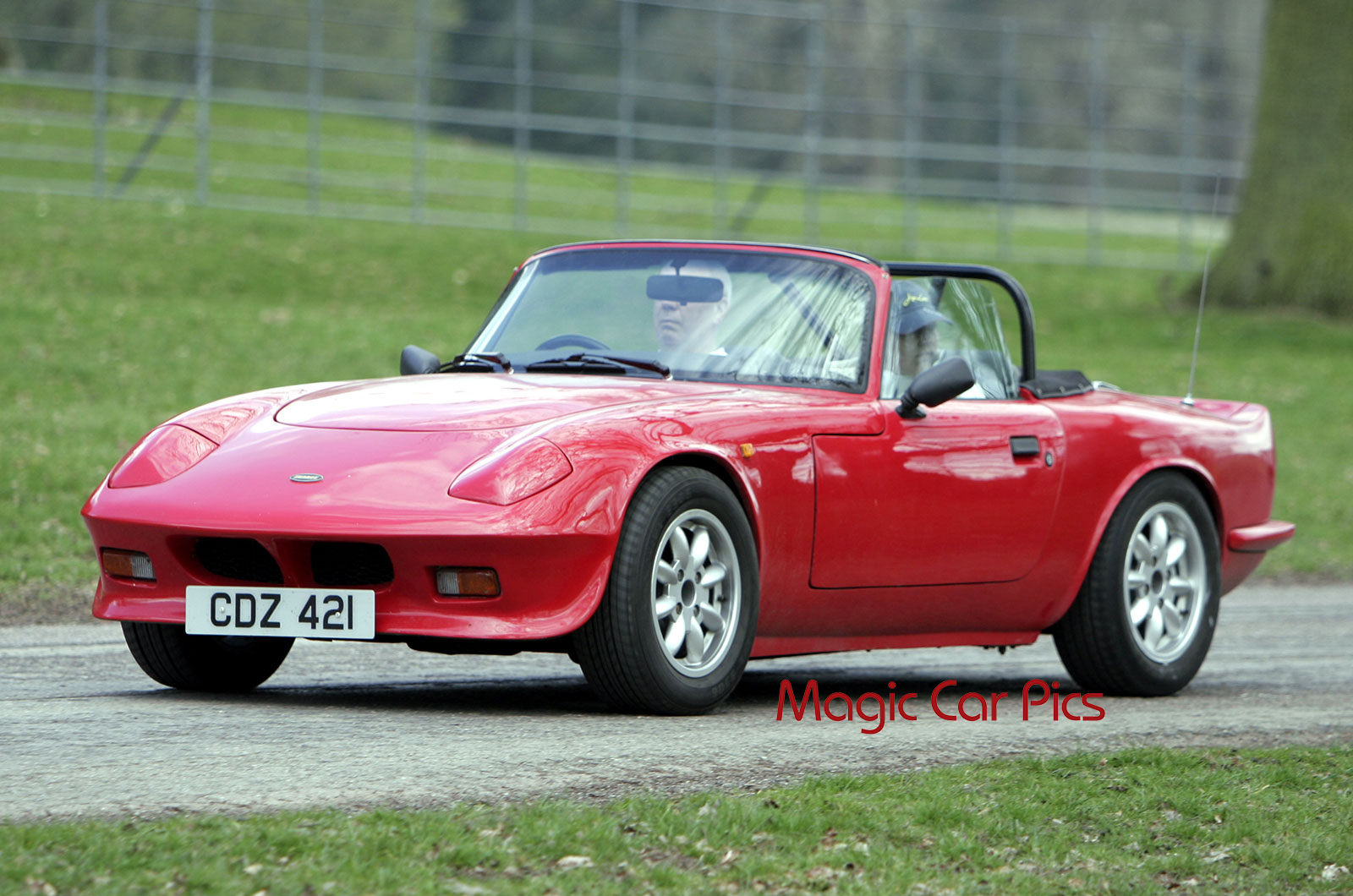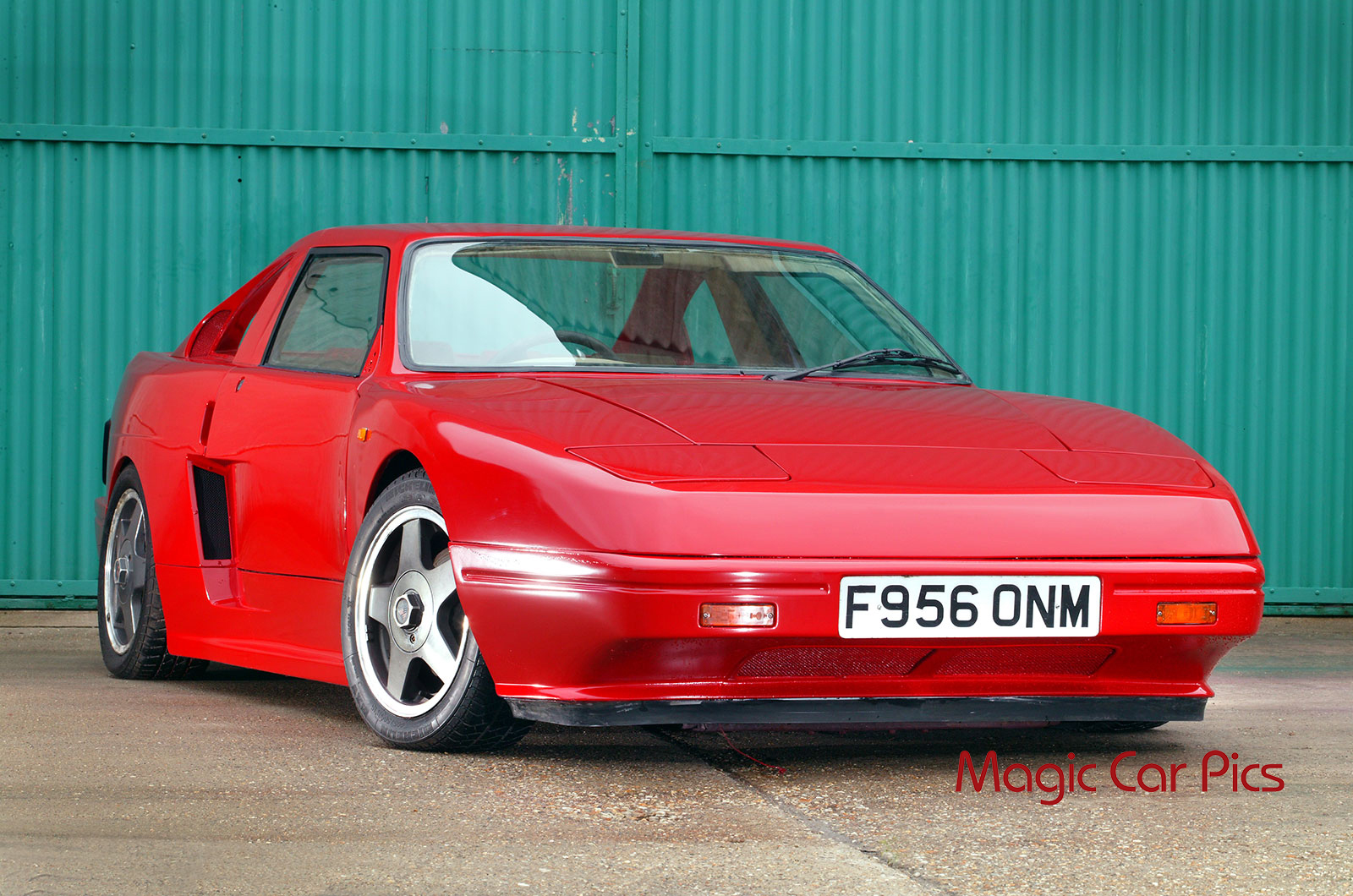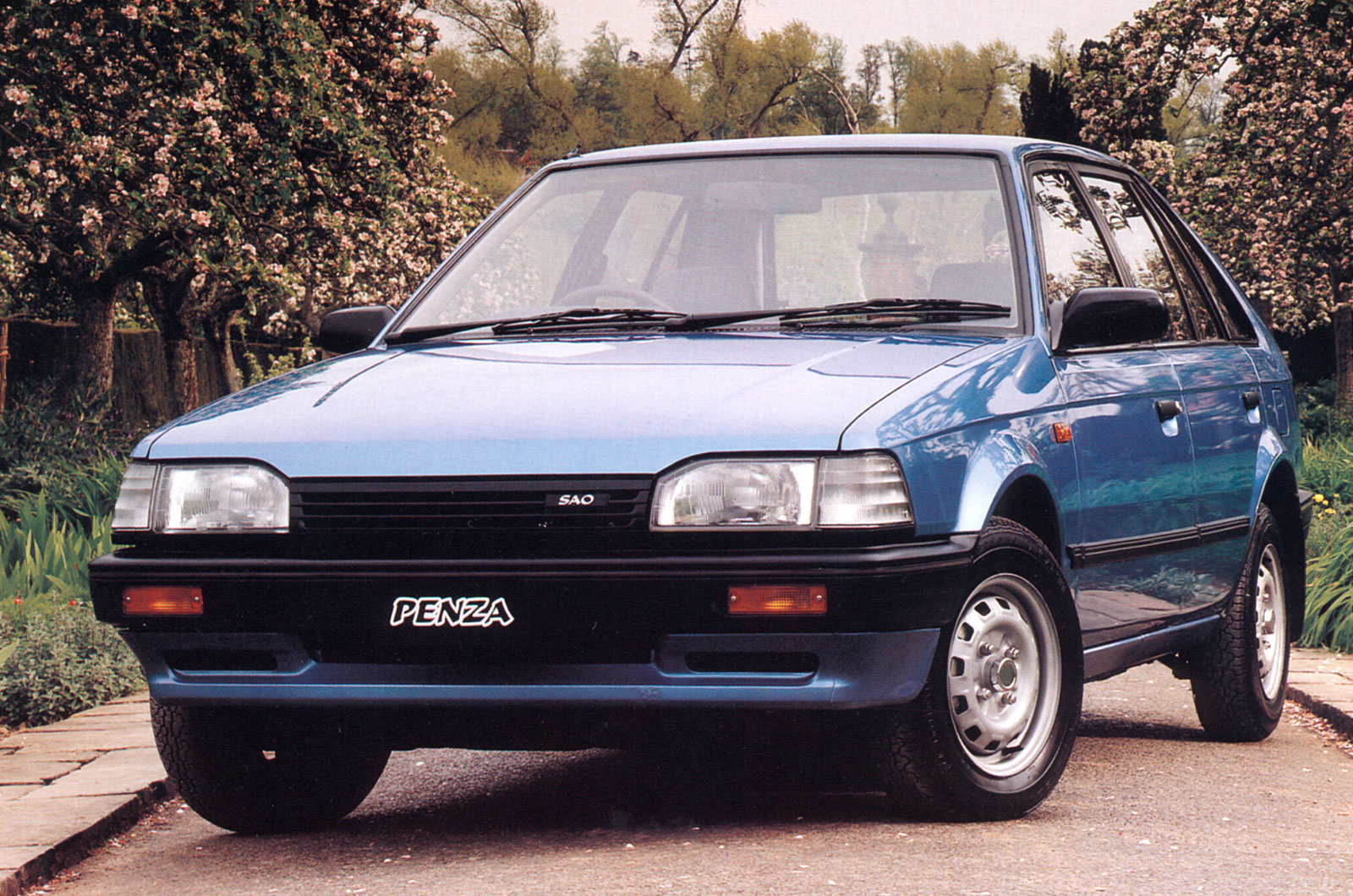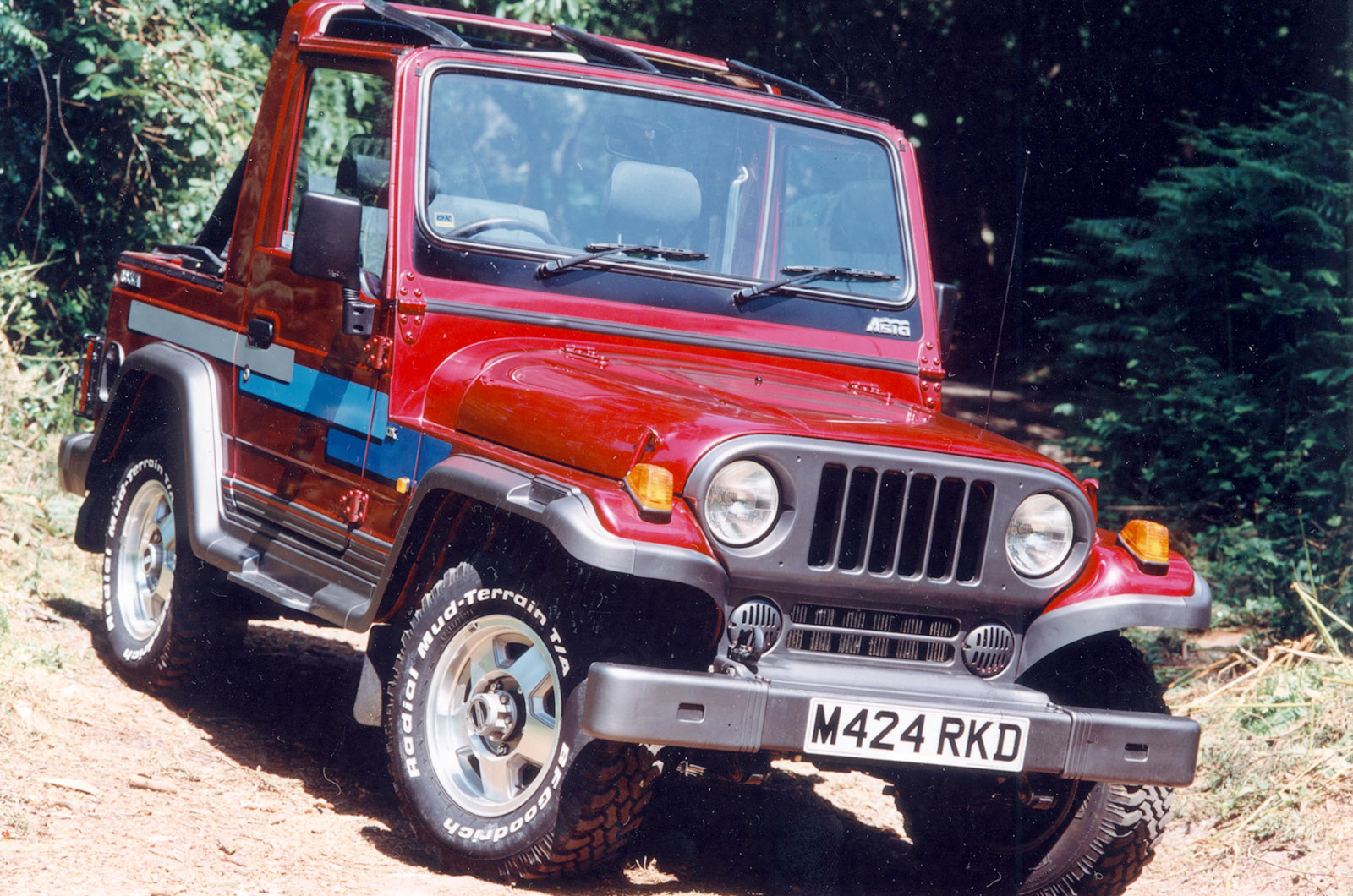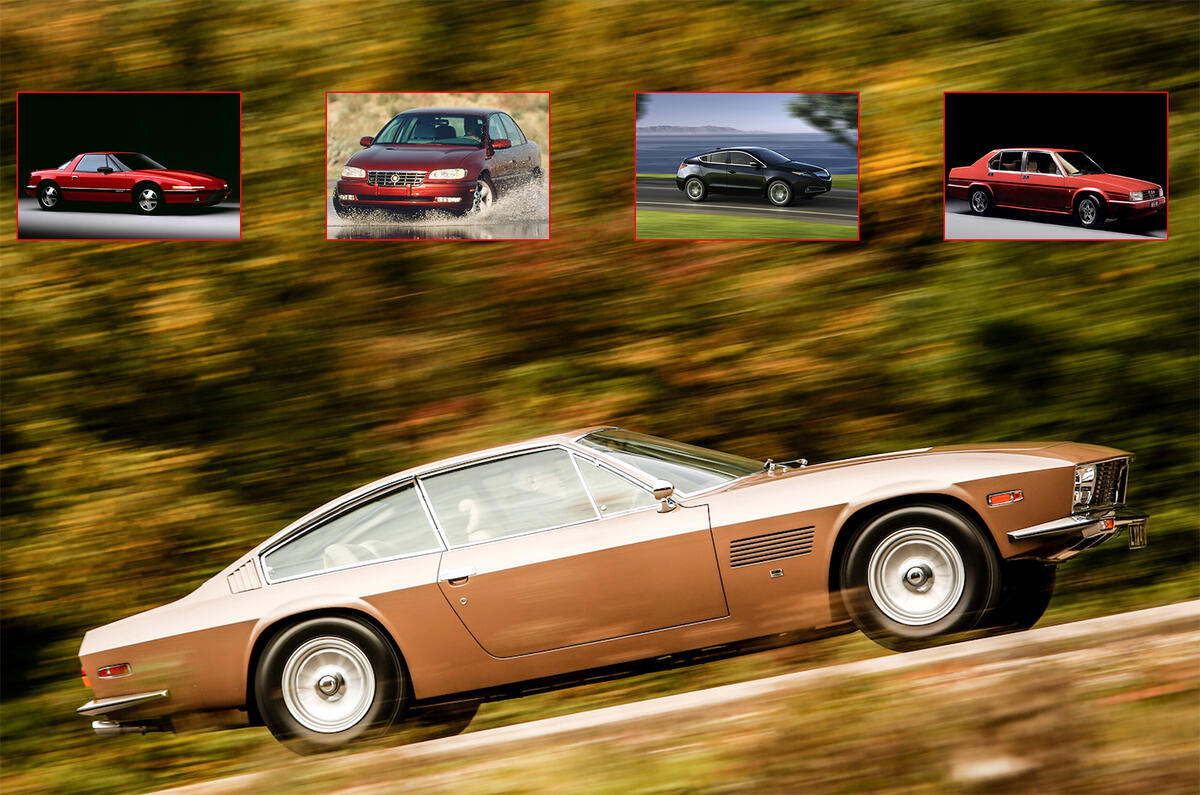

If you’re one of those people who likes to out-geek your car-mad friends, cast your eye over this lot and see how many you’re familiar with.
All of these automotive dead ends sold in tiny numbers and, as a result, are now pretty much forgotten. In some cases, that’s entirely deserved, as we don’t fancy the Cadillac Cimarron or Sao Penza being revived any time soon. But not all of these cars were dogs – some deserved a better fate. We'll start with cars aimed at the US market, then go on to Europe and finish off with some marvellously obscure British ones.
THE US — Bricklin SV-1 (1974)
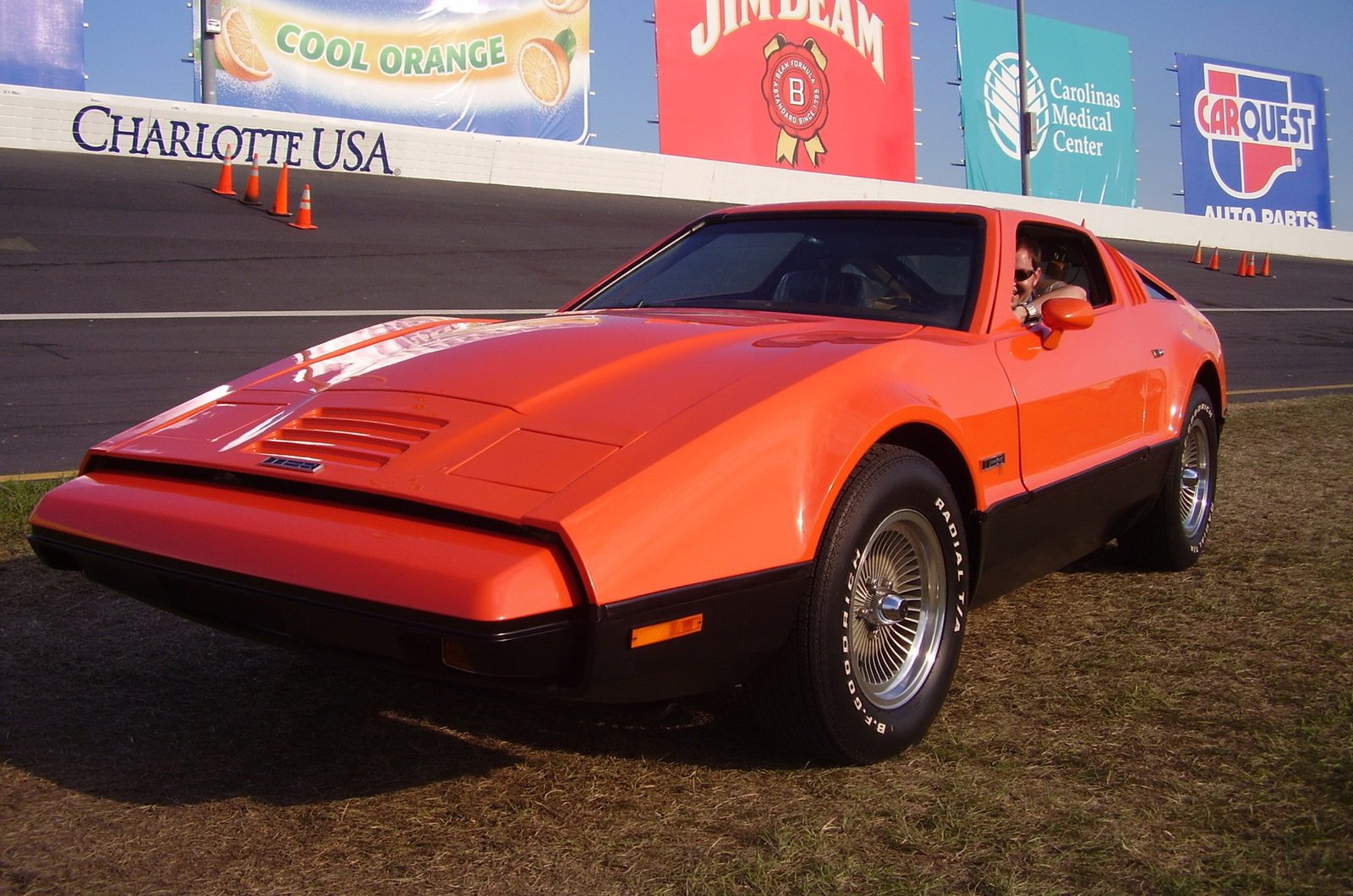
Built in Canada, the Bricklin SV-1 represented entrepreneur Malcom Bricklin’s vision of a safe sports car. He got the safety aspect right: the SV-1 boasted a steel roll cage, side rails and sizeable bumpers on both ends. He forgot about the 'sport' aspect, though. The SV-1 launched with a 220hp AMC V8, but later models settled for a 175hp Ford V8 strangled by emissions hardware and bolted to a three-speed automatic transmission.It’s a dark spot in a Bricklin’s lengthy automotive career, which includes spearheading Subaru’s entry into the US and selling Fiat’s mid-engined X1/9 under the Bertone name during the 1980s.
Jeep CJ-8 (1981)
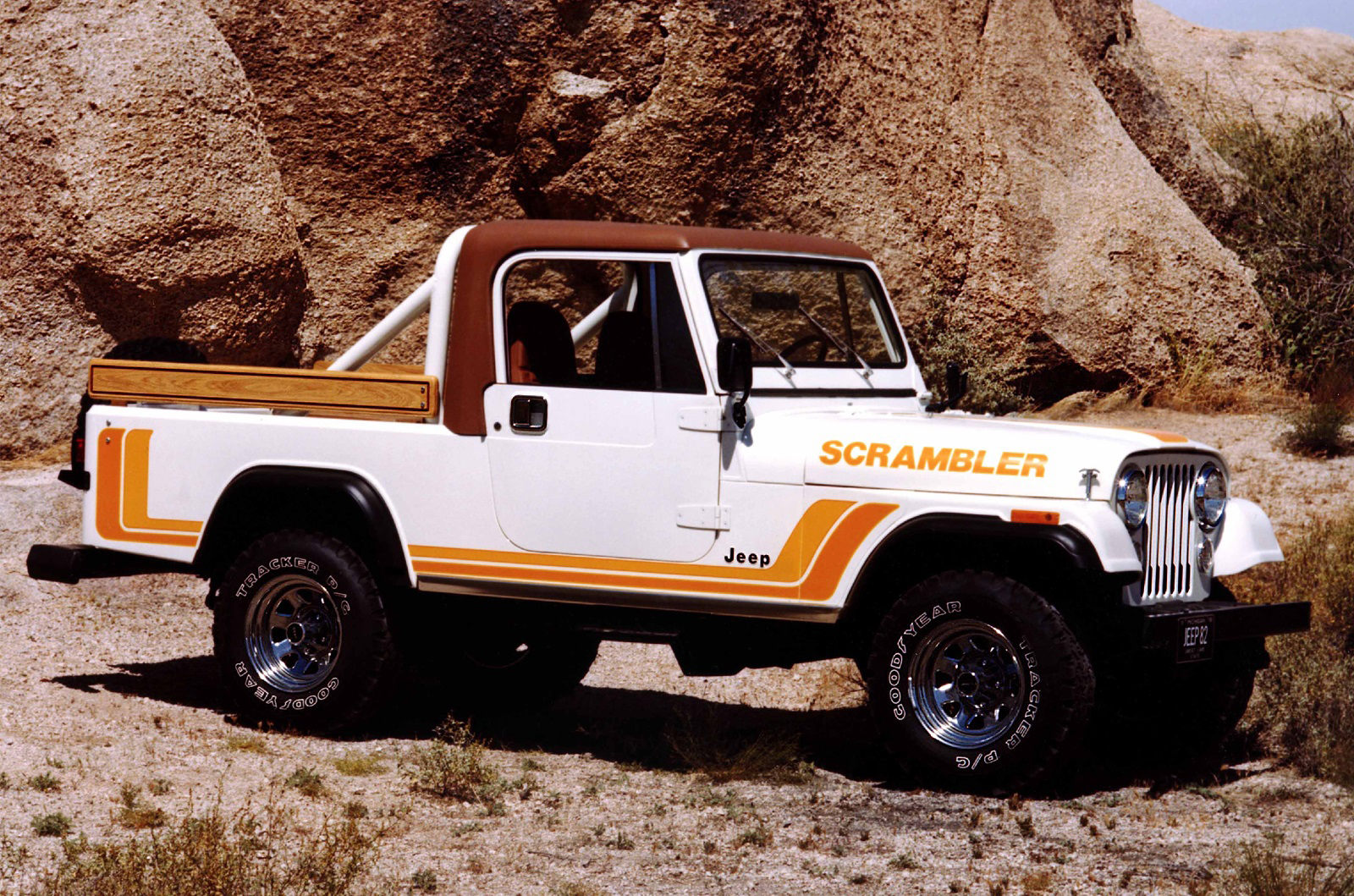
The Jeep CJ-8 was a CJ-7 with 10 additional inches of sheet metal between the axles. It retained the CJ-7’s legendary off-road capacity, but it was unique in its segment because it was more of a leisure-oriented model than a workhorse. Jeep didn’t replace the CJ-8 until it introduced the Unlimited variant of the TJ-series Wrangler in 2004 and it has confirmed plans to return to the pickup segment with a Wrangler-based model by the end of the decade.
Cadillac Cimarron (1982)
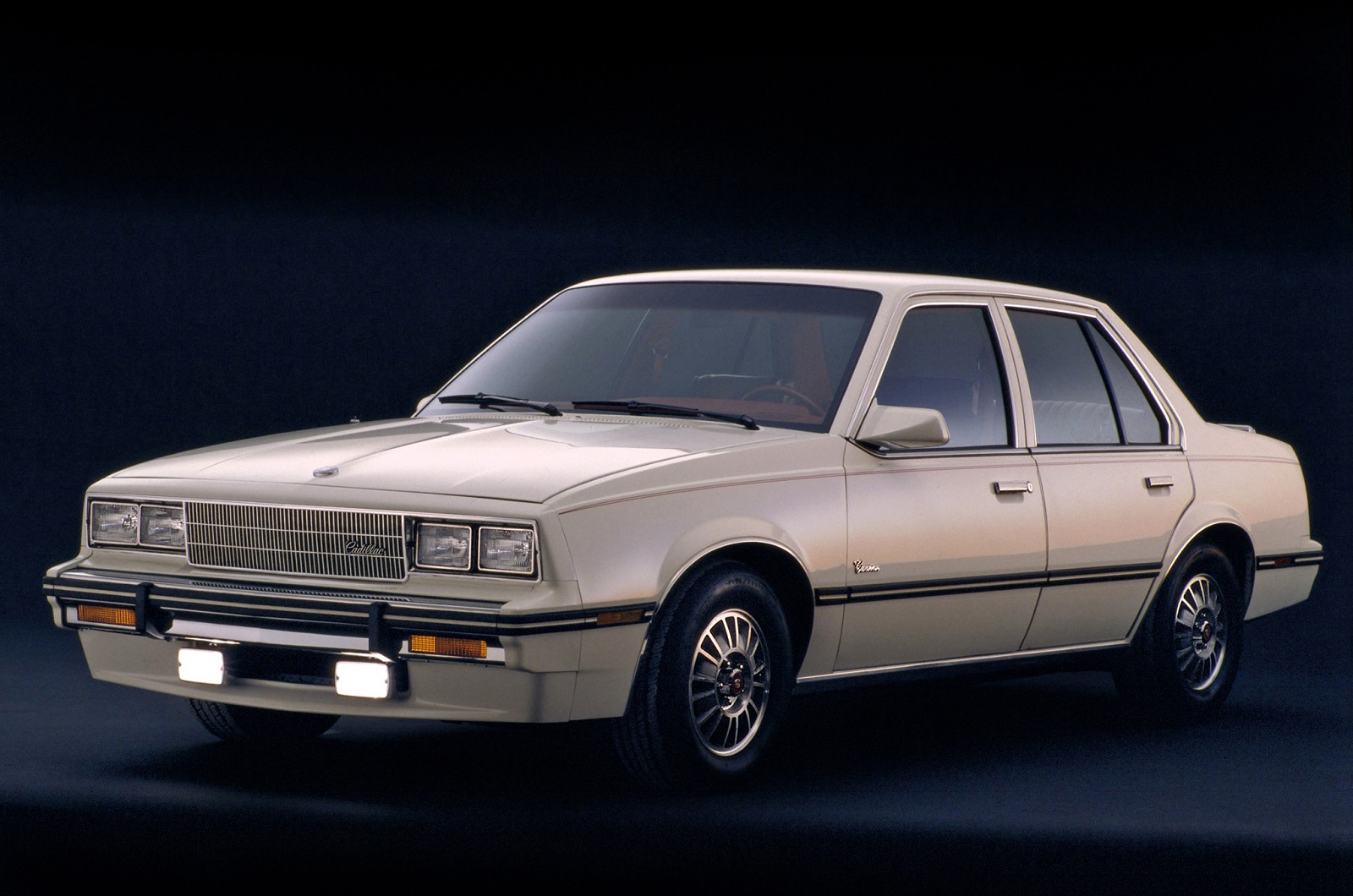
The Cimarron was Cadillac’s hotly anticipated answer to compact luxury cars such as the BMW 3 Series and the then upcoming Mercedes-Benz 190. Instead of developing an entry-level model from scratch, Cadillac took the contentious route of re-engineering a Chevrolet Cavalier. It’s as if Mercedes tried to turn a Renault 18 into the 190.Underpowered and overly austere, the Cimarron was a disaster. Adding a V6 to the line-up (and later making it standard) was too little, too late to save its career. The Cimarron left its mark on Cadillac history in the worst possible way. John Howell, Cadillac’s product director from 2004 to 2010, kept a photo of the Cimarron in his office captioned: “Lest we forget.”
Merkur XR4Ti (1985)
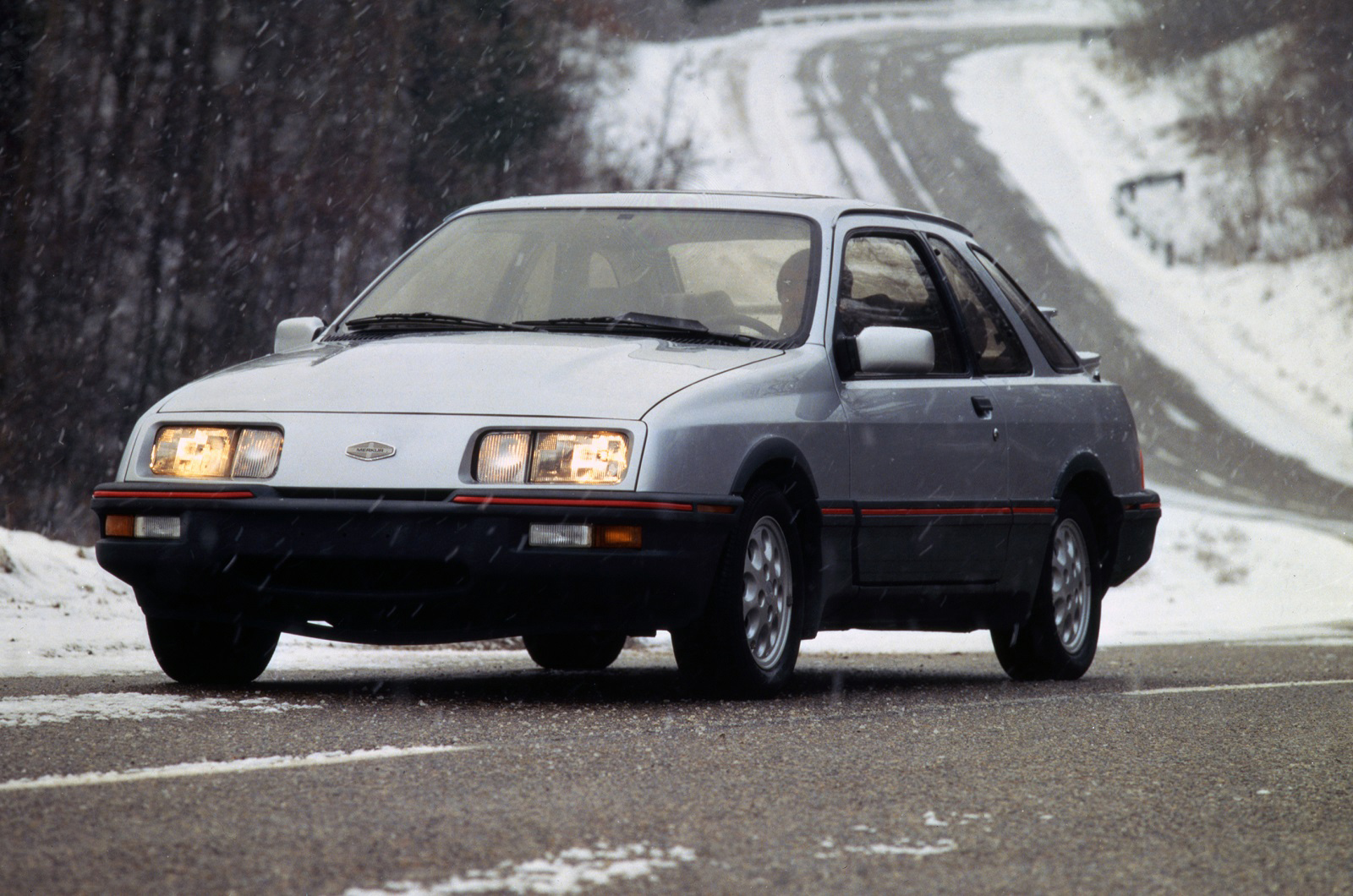
This may look familiar to Europeans but not to many Americans. Ford believed selling its European Sierra XR4i in the US would help it fend off competition from the likes of BMW, Mercedes-Benz and Audi. It chose to market the car under a new brand called Merkur – a name presumably chosen because it sounded more German – and was a project championed by one Bob Lutz.The US-spec model received a turbocharged 2.3-litre four-cylinder engine instead of a V6, which explains the “T” in its name. Too esoteric, the XR4Ti retired in in 1989 after Ford imported about 42,000 examples from Germany. The bigger Merkur Scorpio suffered the same fate. Ford would not import any cars from Germany again until 2016, when the Focus RS started arriving.
Buick Reatta (1988)
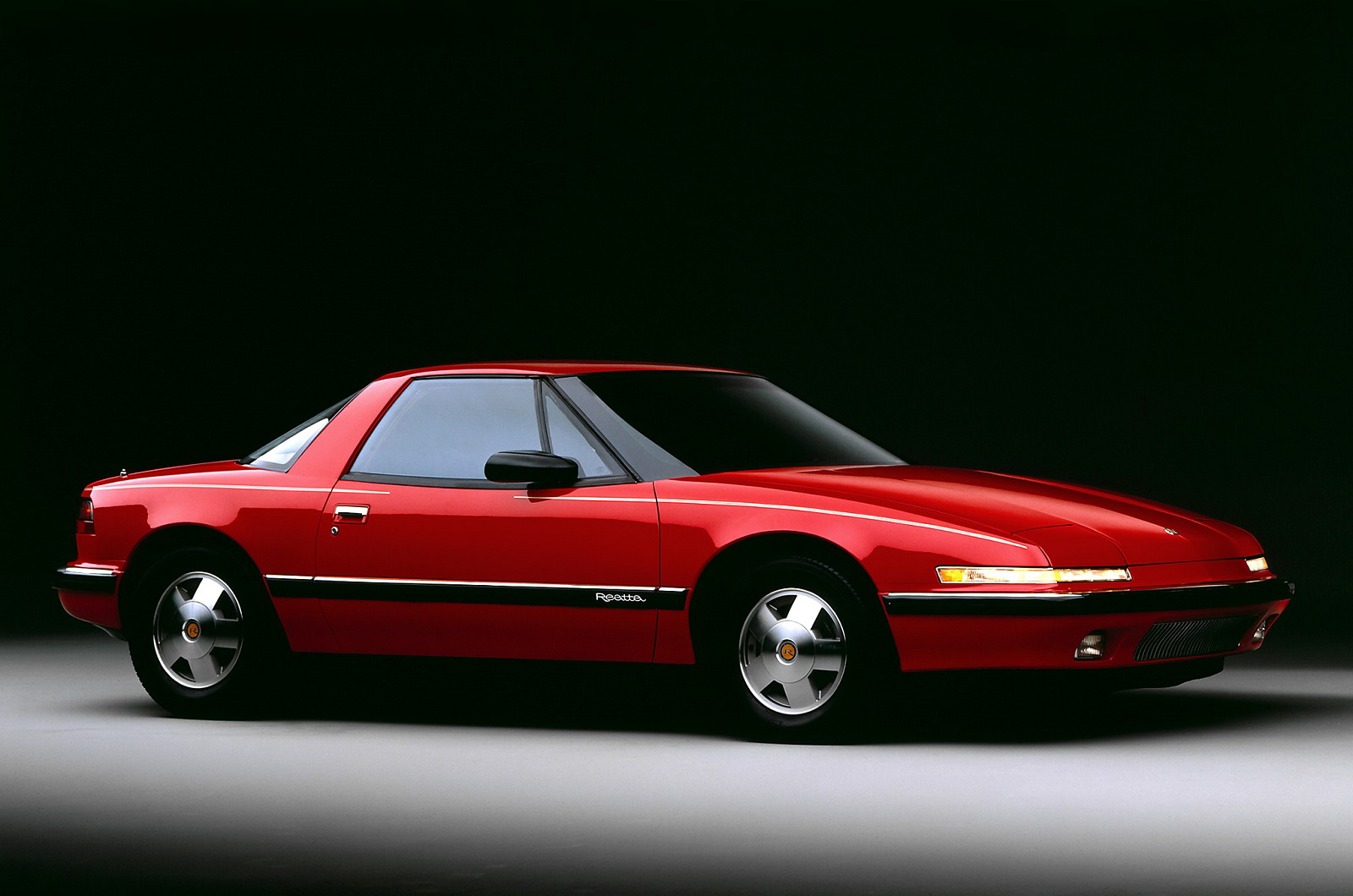
Offered as a coupé and as a convertible, the Reatta sat at the very top of the Buick line-up in the late 1980s. It was built largely by hand in a facility located in Lansing, Michigan, and it was a relatively advanced car for its era. Buyers could order 16-way adjustable seats, automatic headlights and even a touchscreen, although this forward-thinking feature was phased out before the end of production.Buick built nearly 22,000 examples of the Reatta between 1988 and 1991. The model was not replaced and Buick hasn’t sold a two-seater model since.