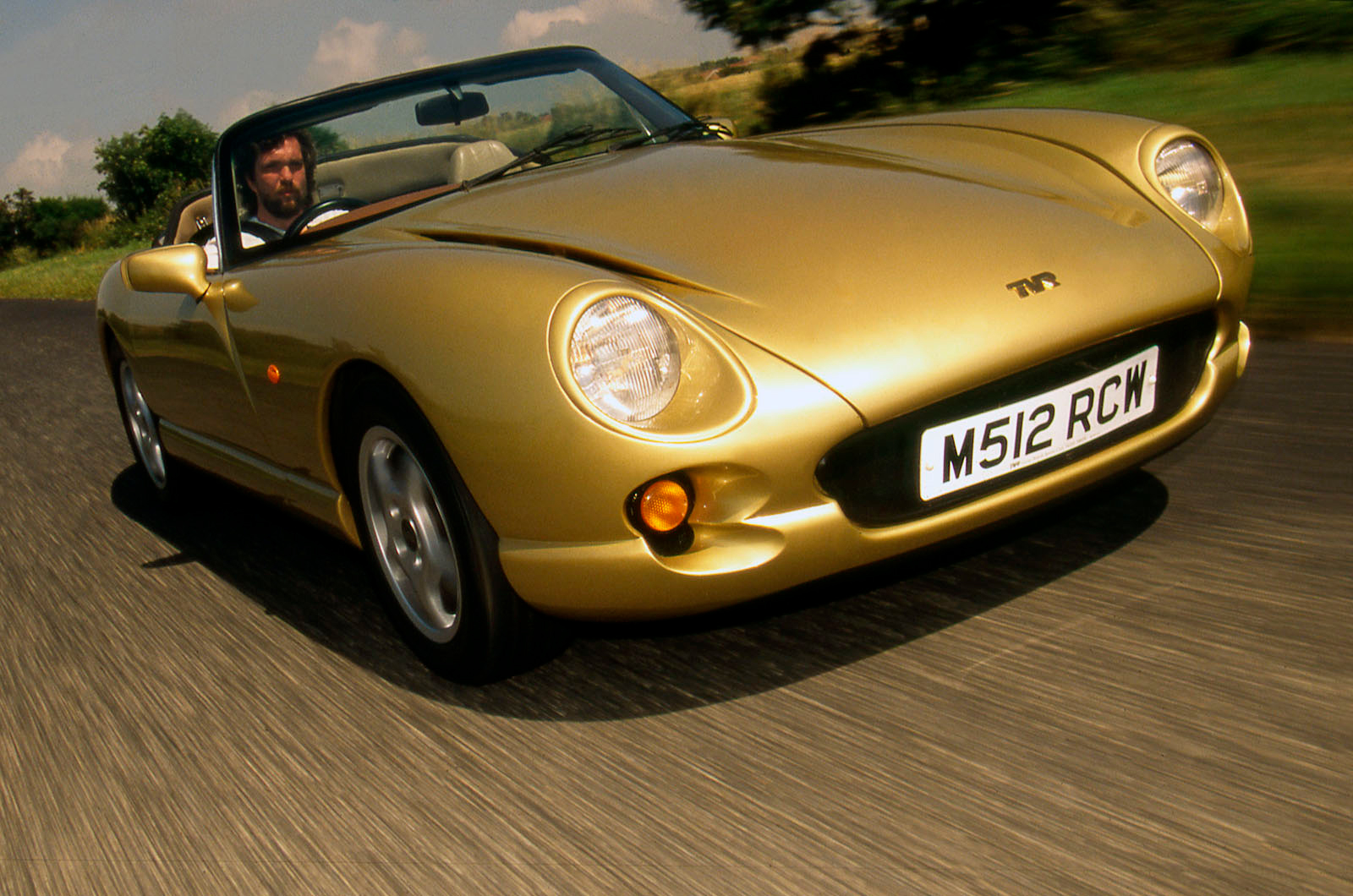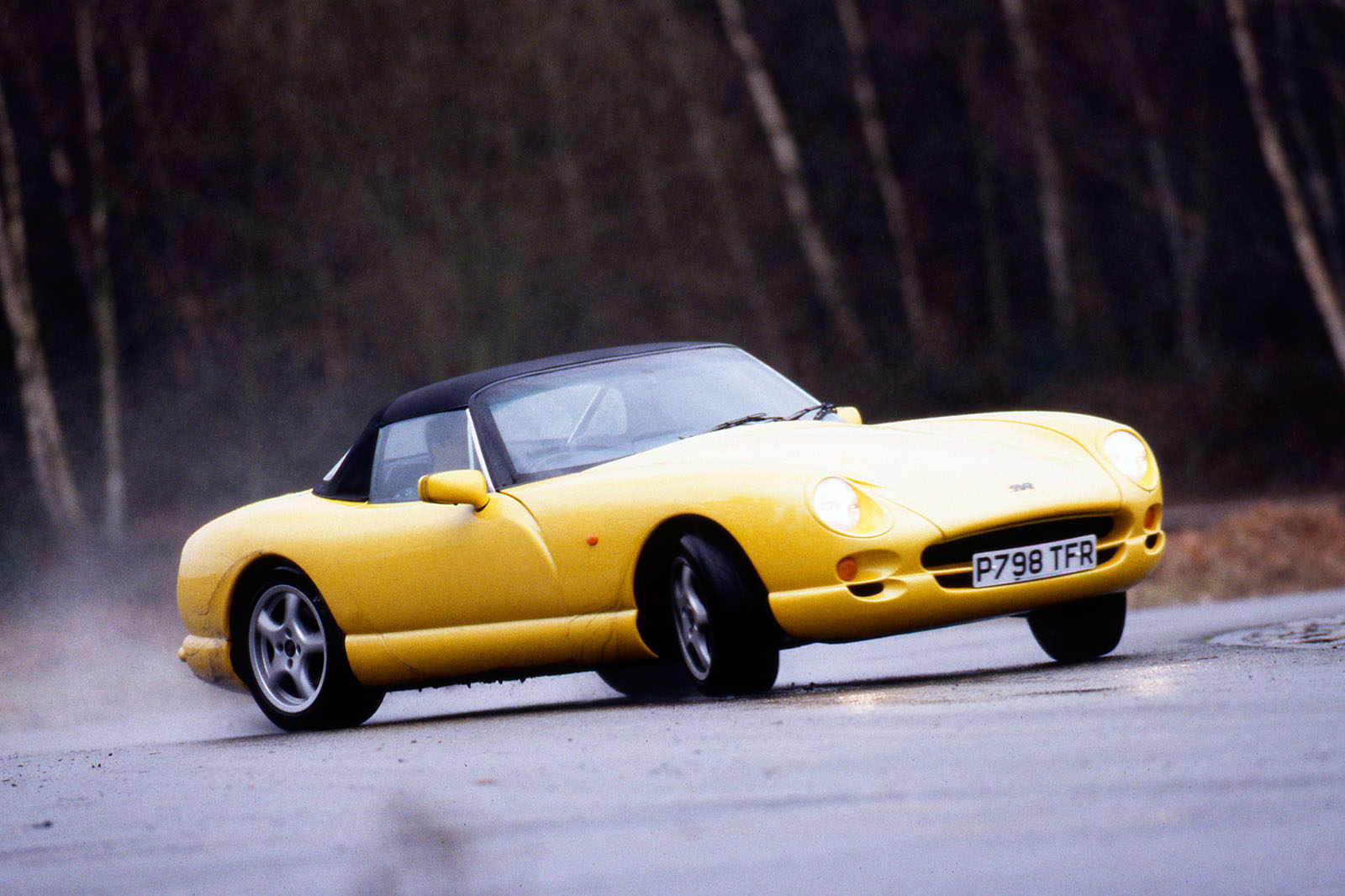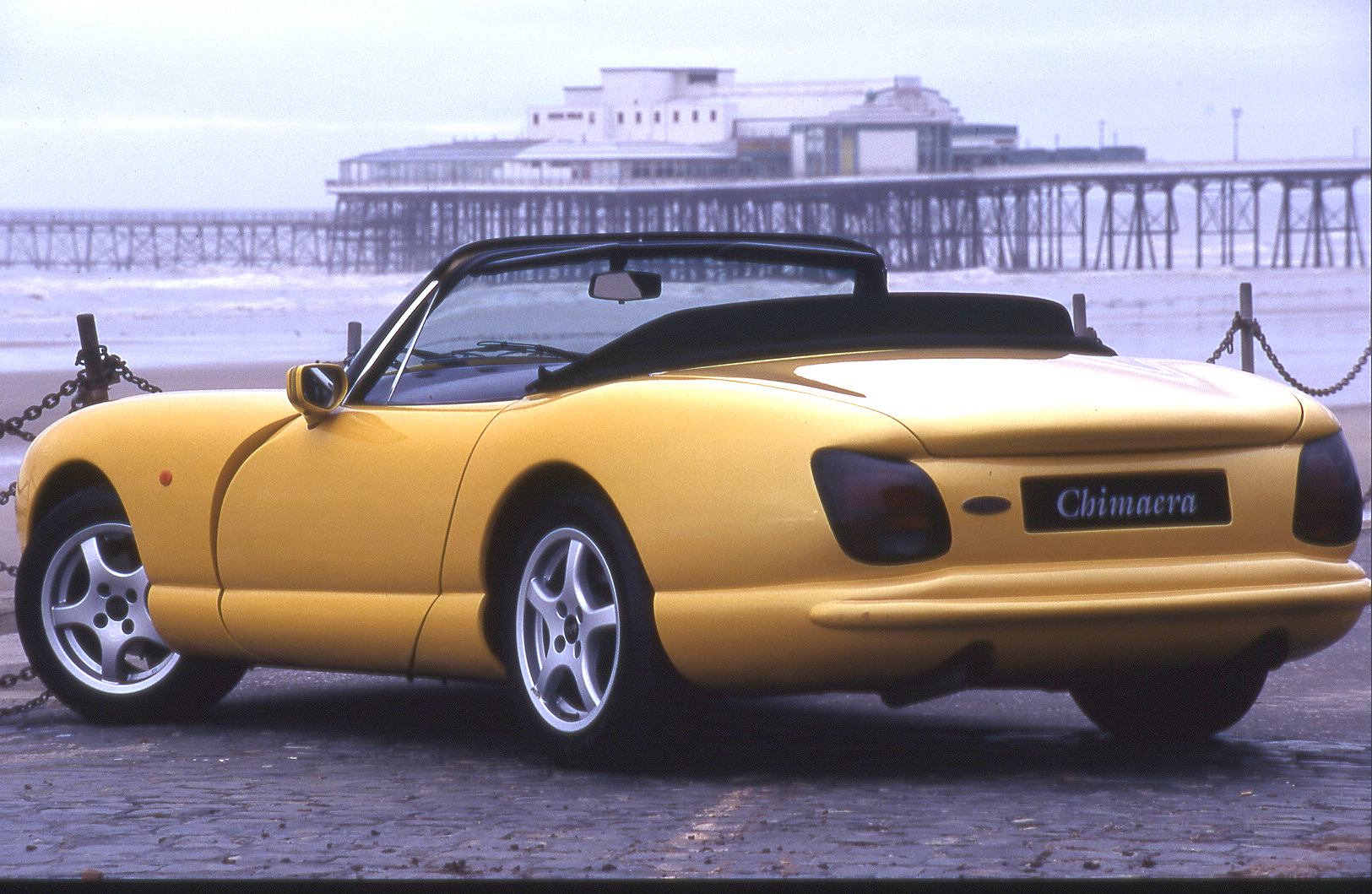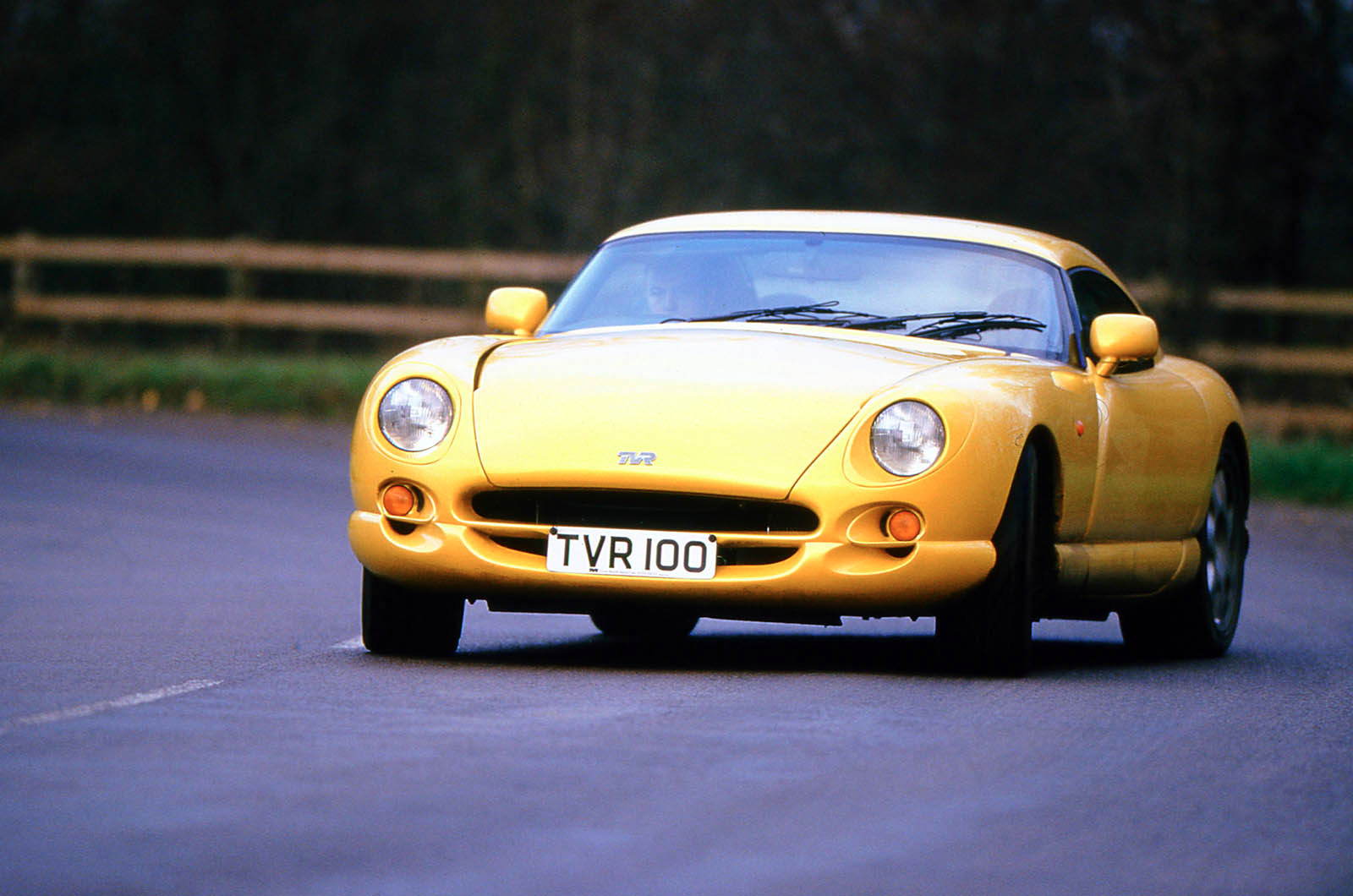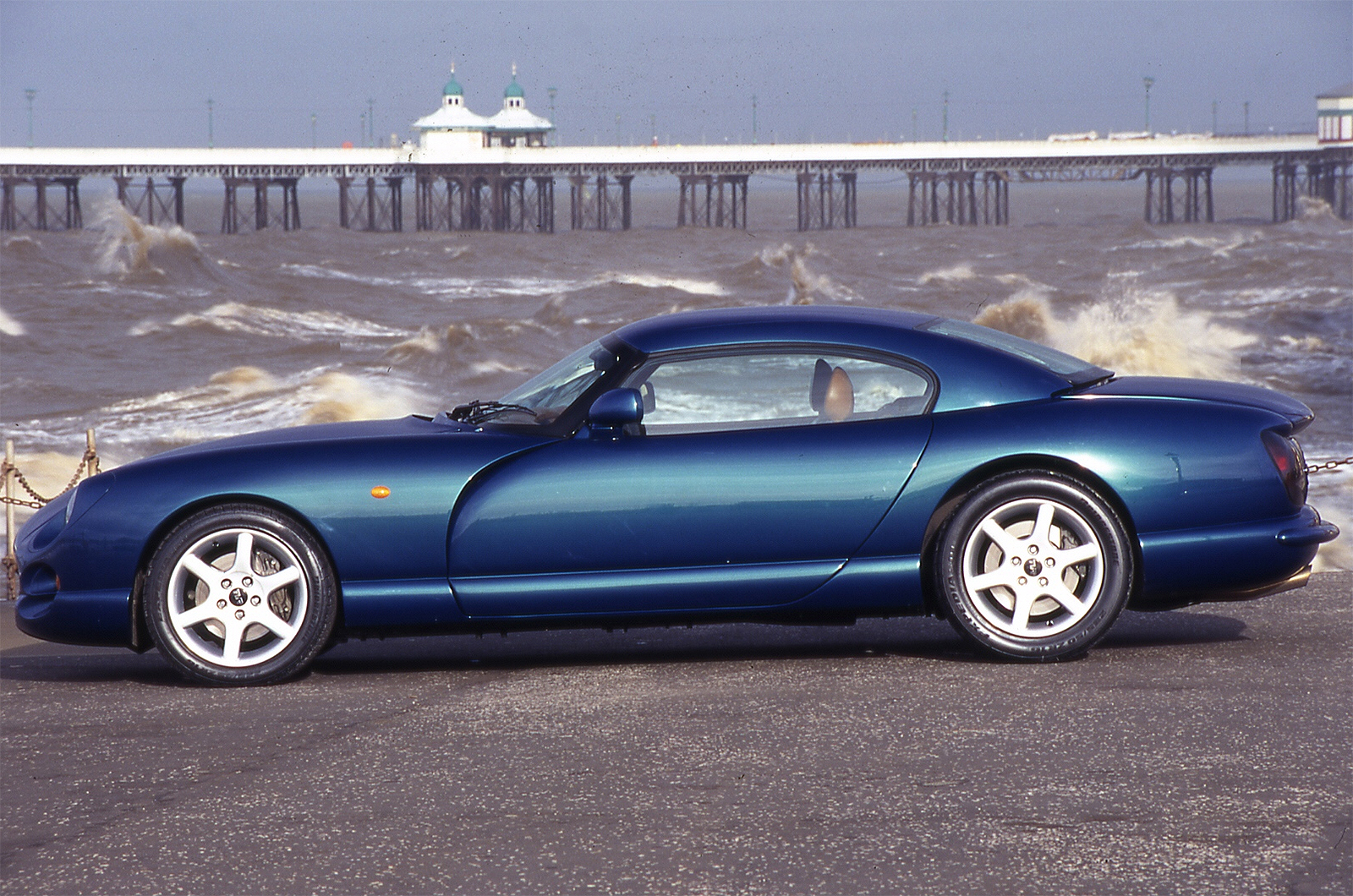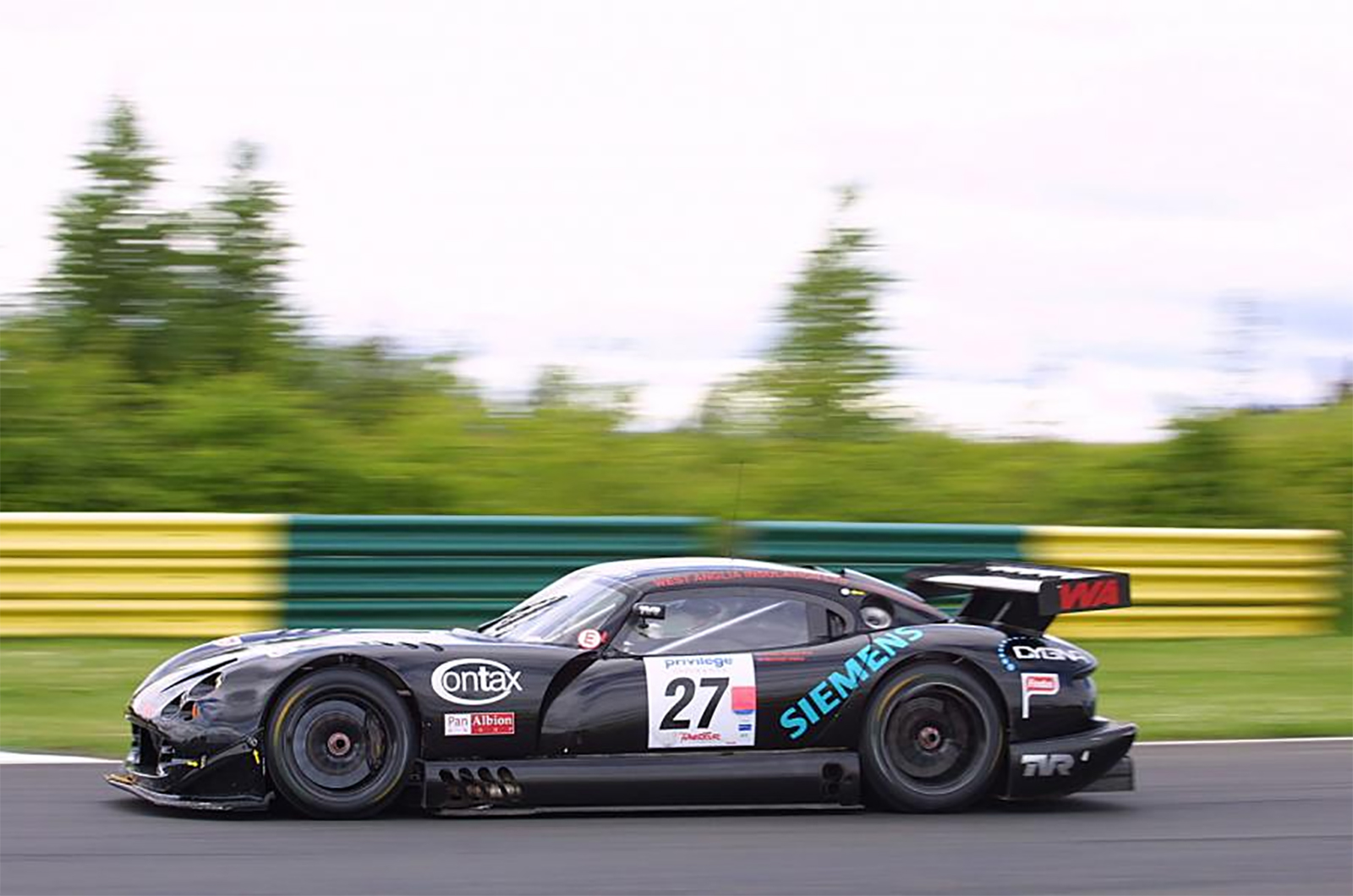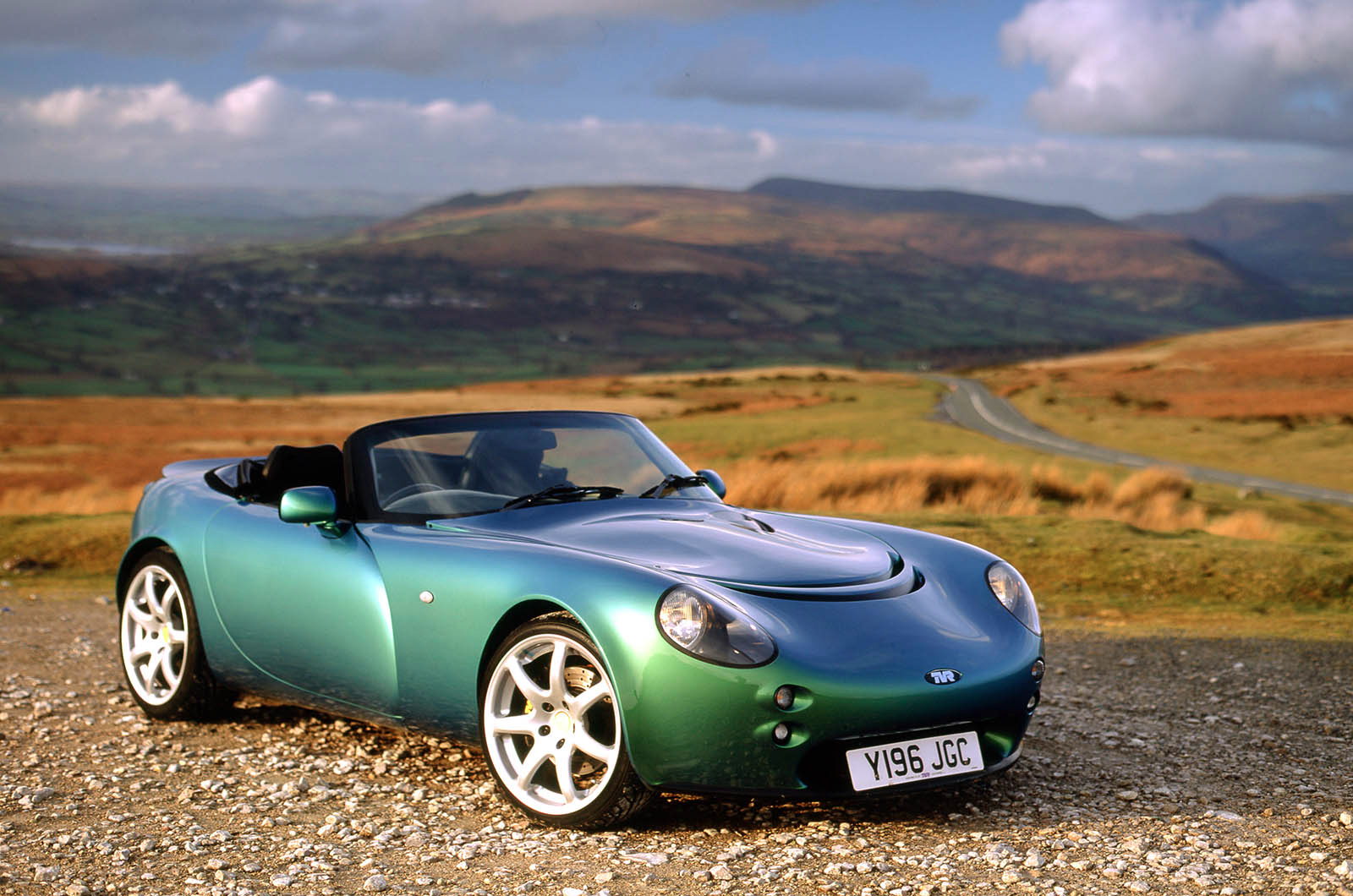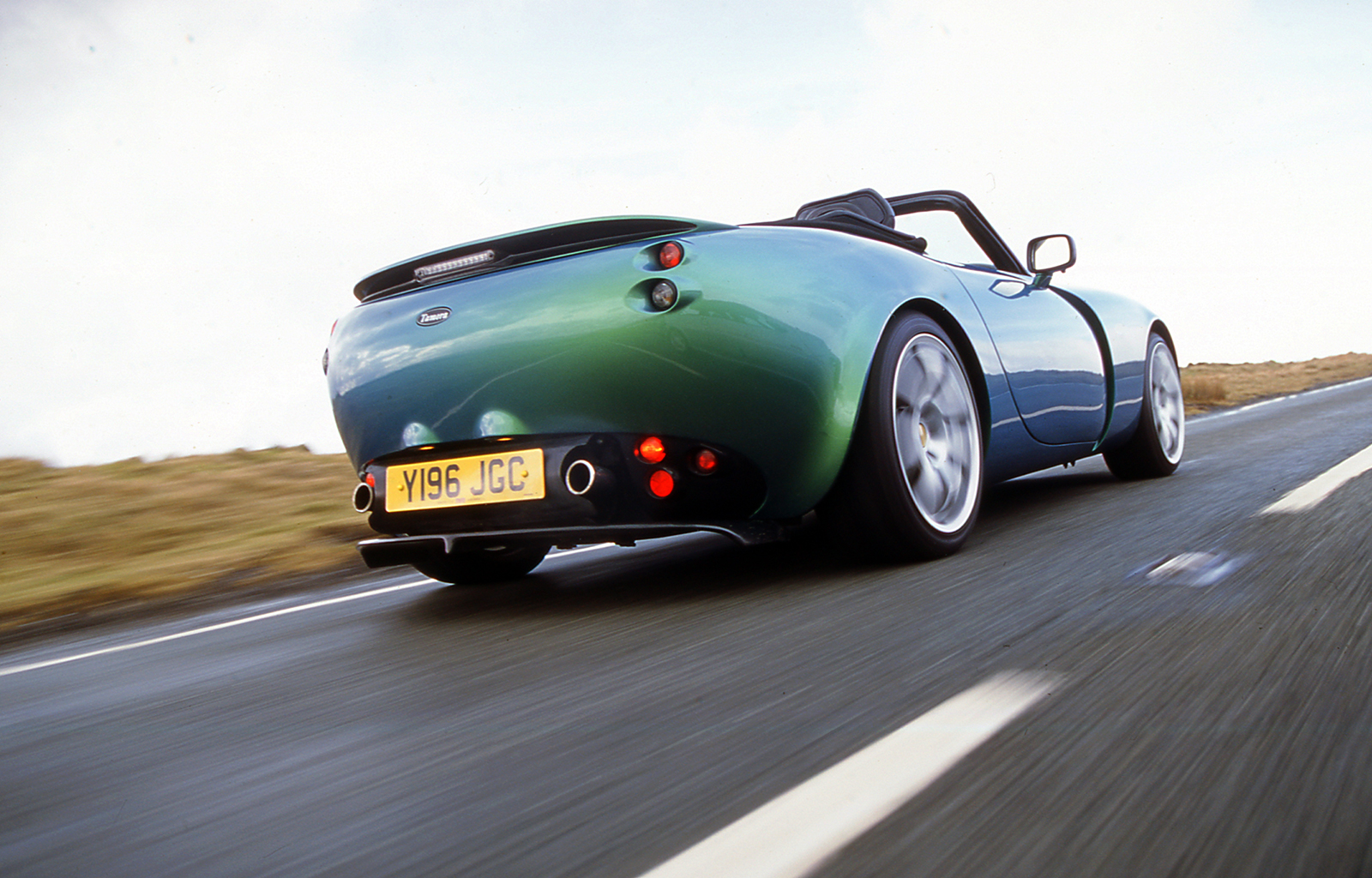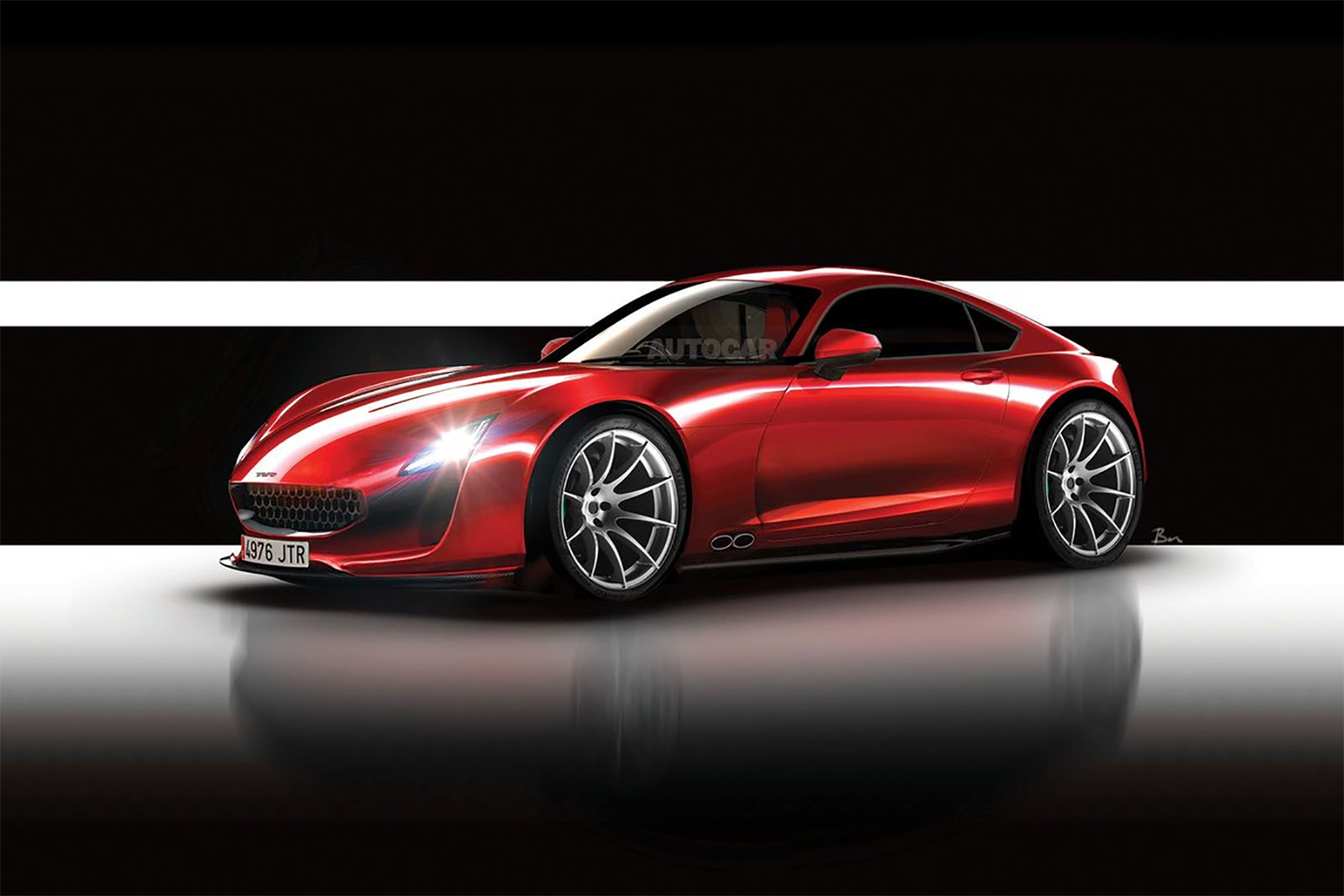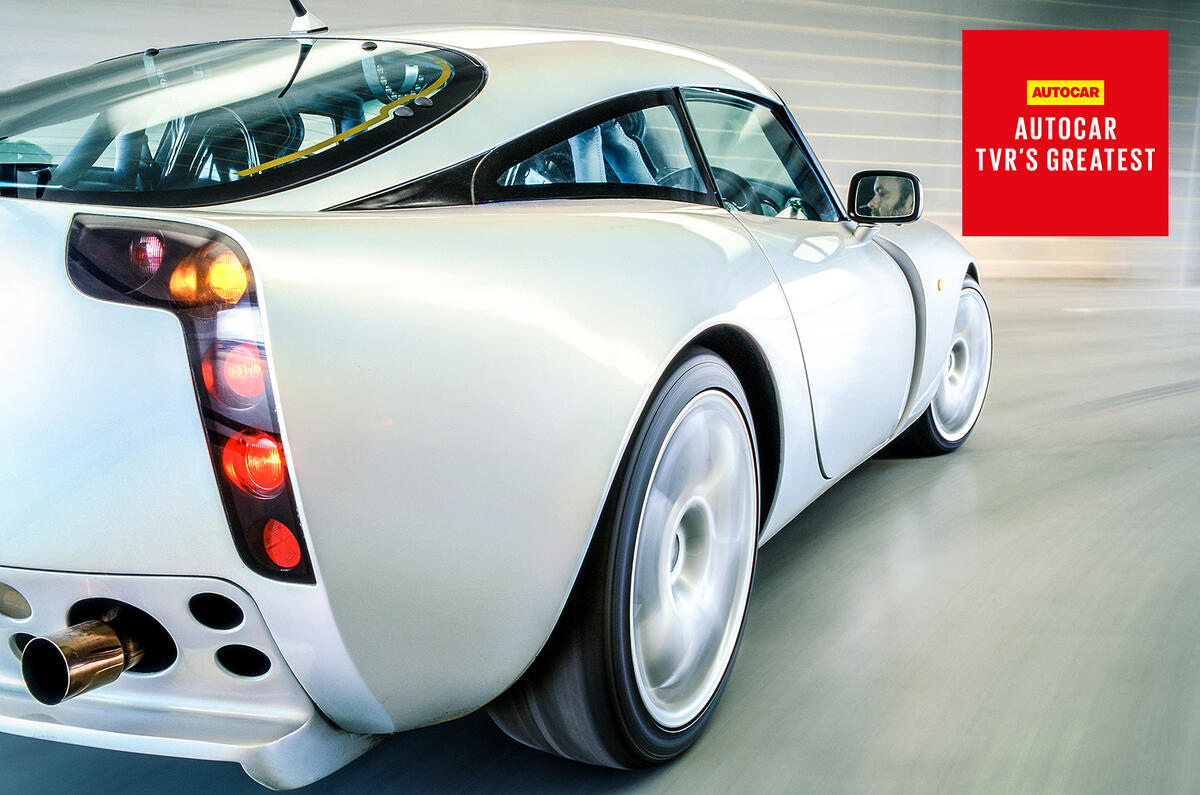

TVR is officially back.
The fabled maker of high performance pure-bred sports cars will unveil an all-new £100,000 machine at the Goodwood Revival event in southern England in early September – and its initial production run is already nearly sold out.High time we took a look at the cars that made TVR so special.
TVR Grantura (1958-67)
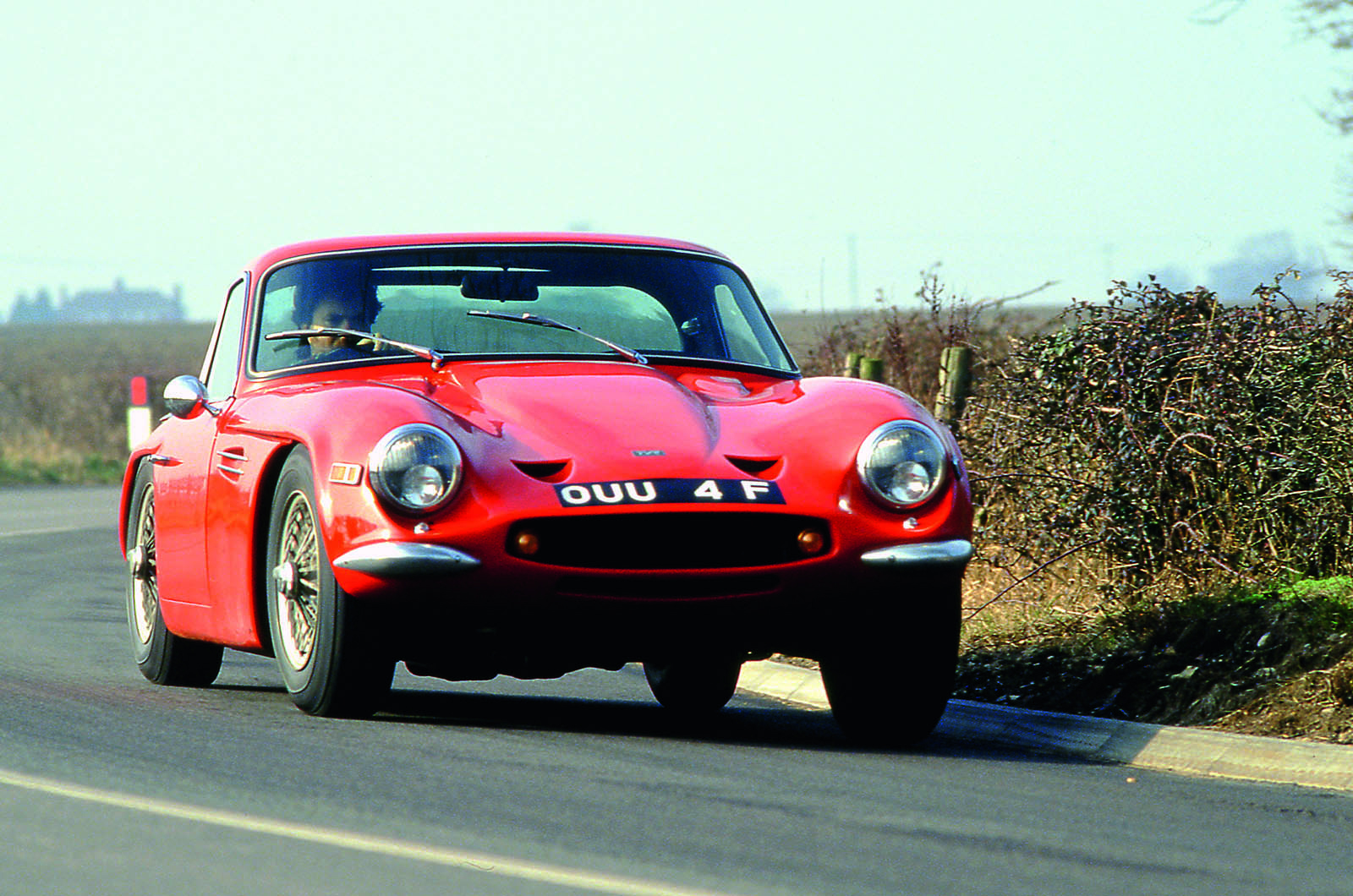
An odd name for an even odder-looking car, but TVR's first model set the template to which TVR subscribed until its last days: simple chassis, short wheelbase, front engine, rear drive, glassfibre body panels and somewhat sub-Porsche construction standards. Early Granturas allowed owners to choose which engine to slot under the bonnet, but later cars were increasingly MG-powered.Surprisingly fast thanks to their extreme light weight (around 710kg), good fun and less scary to drive than they look, Granturas make excellent recreational road cars and even quite competitive historic racers. Pay from £30,000.Read the original Autocar road test of the Grantura from 1961
Griffith 200/400 (1964-67)
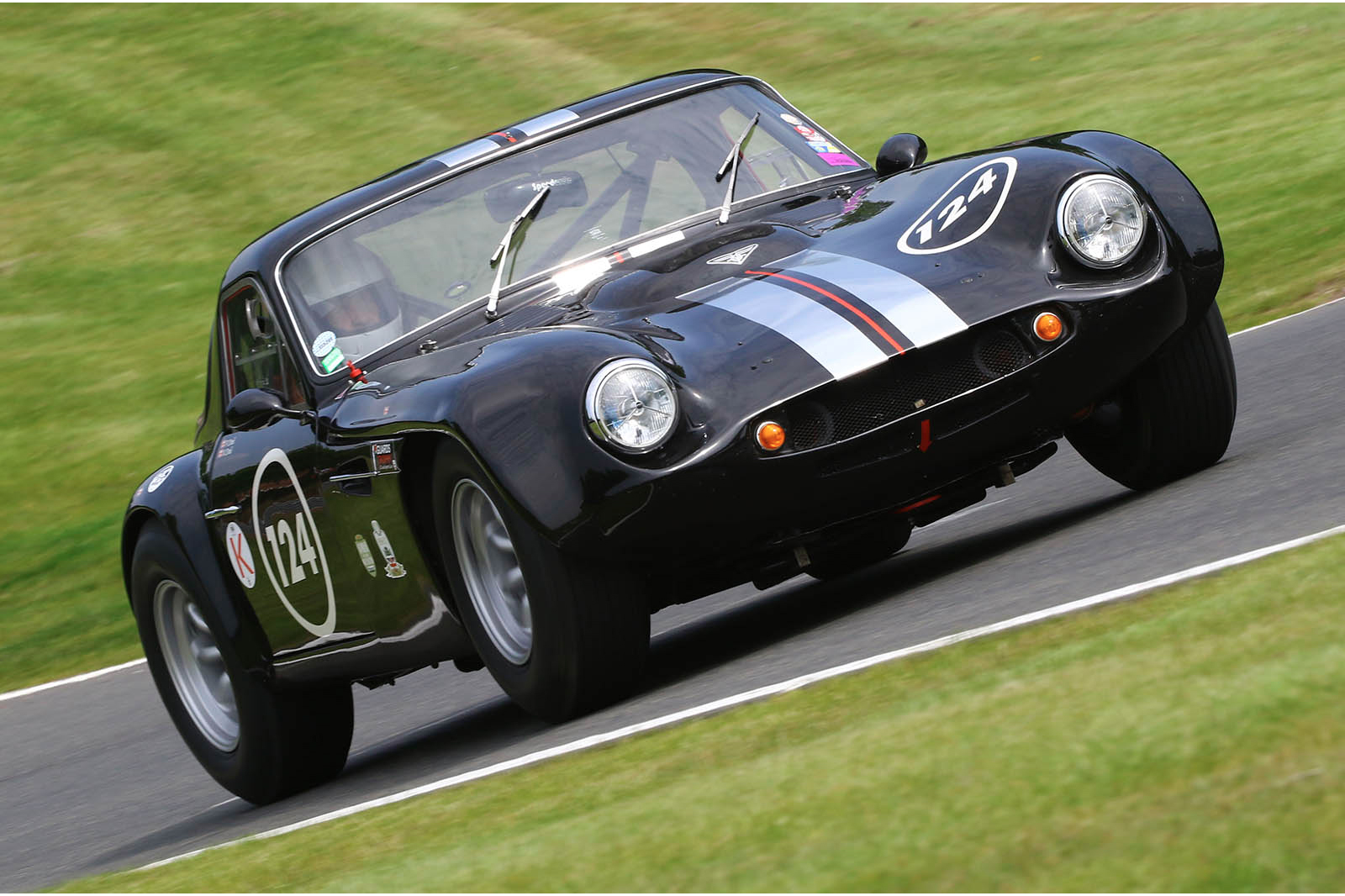
During the 1960s, Jack Griffith, who ran a tuning shop in the US, persuaded TVR to supply him with chassis in order to satisfy his desire to perpetuate the tradition, started by the AC Cobra, of powering very small British sports cars with very large American V8s. Like the Cobra, the Griffith gained its power from Ford and in race trim could provide close to GT40 outputs in a car with the wheelbase of a supermarket trolley, and in the US went under the Griffith make name.Prized by historic racers today and a devastating weapon on road or track, original Griffiths are probably the most desirable TVR production cars. FIA-approved racer models sell for around £150,000.
TVR M Series (1972-79)
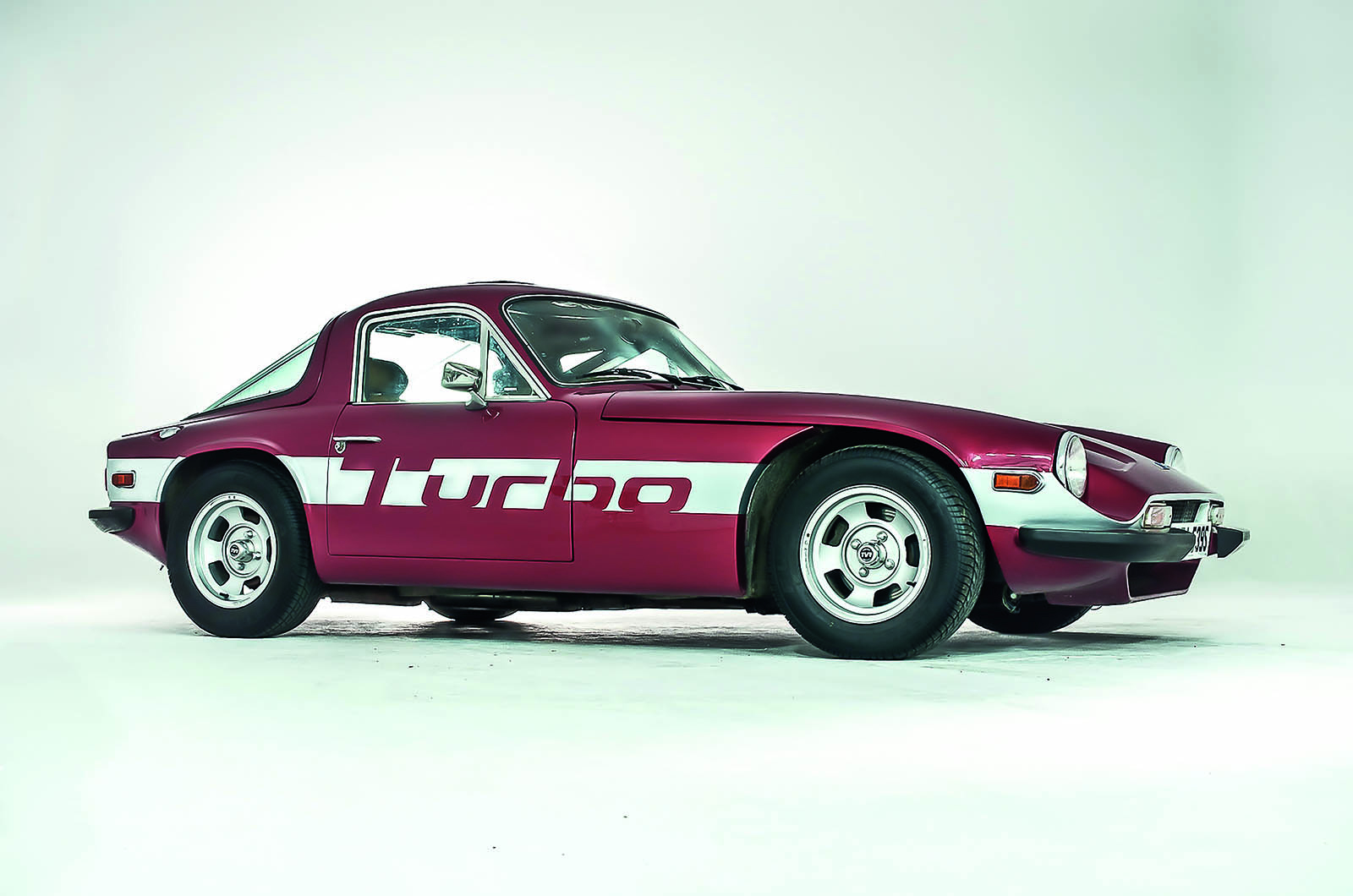
Too many to mention by name individually, cars such as the 2500M, 3000M and Taimar provided TVR with a new direction and added a much-needed dash of practicality to the TVR product offering. The cars were better built and more spacious and civilised than any that had gone before, yet with very little deterioration in driver appeal.The series was notable for the introduction of the Taimar Turbo (pictured) in 1976. Britain’s first production turbocharged car, it offered a 230bhp hit from its 3.0-litre V6 and a top speed of more than 140mph. Pay from £4500.
Tasmin, 350i, 420SEAC & all other Wedges (1979-1987)
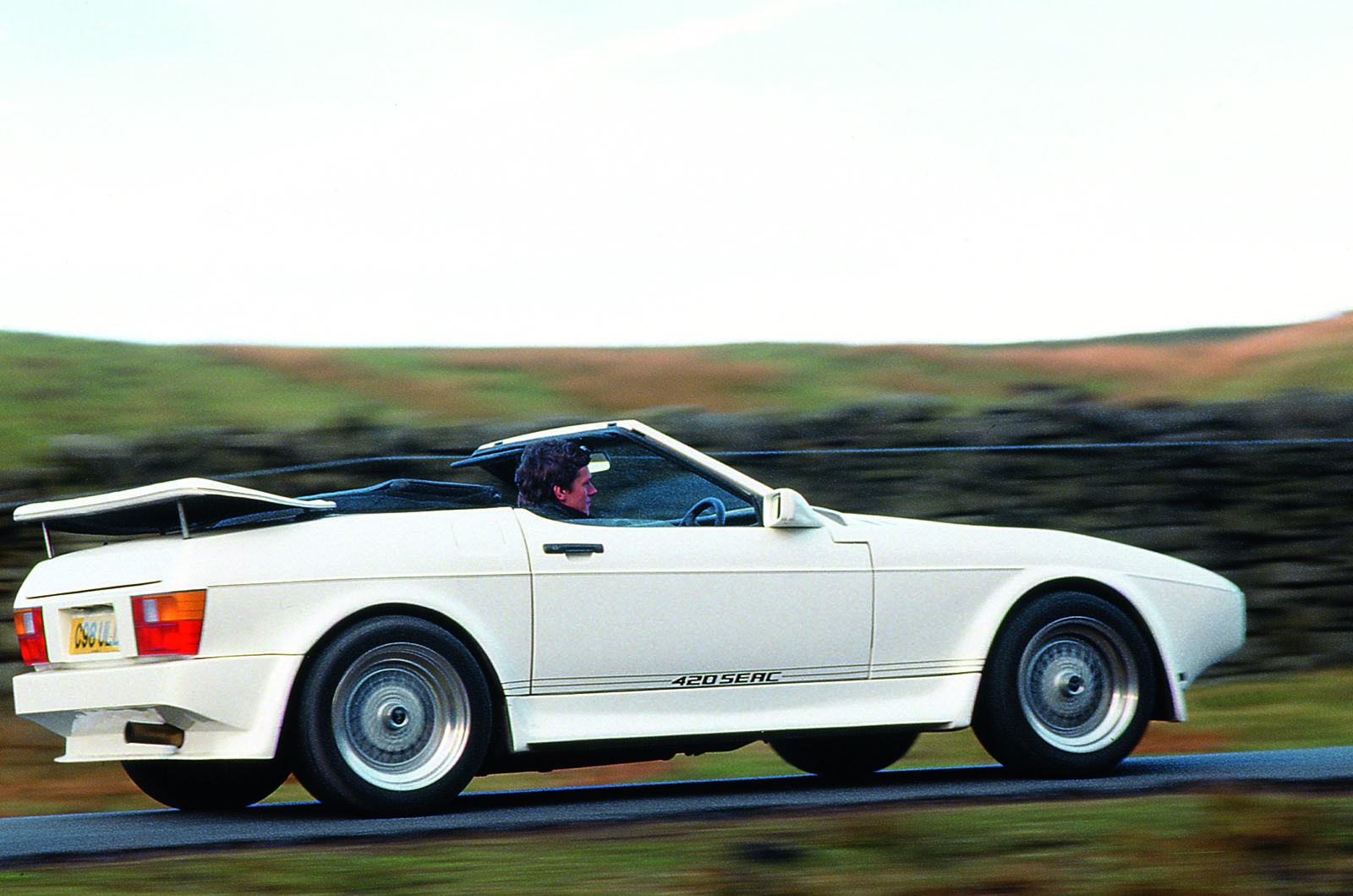
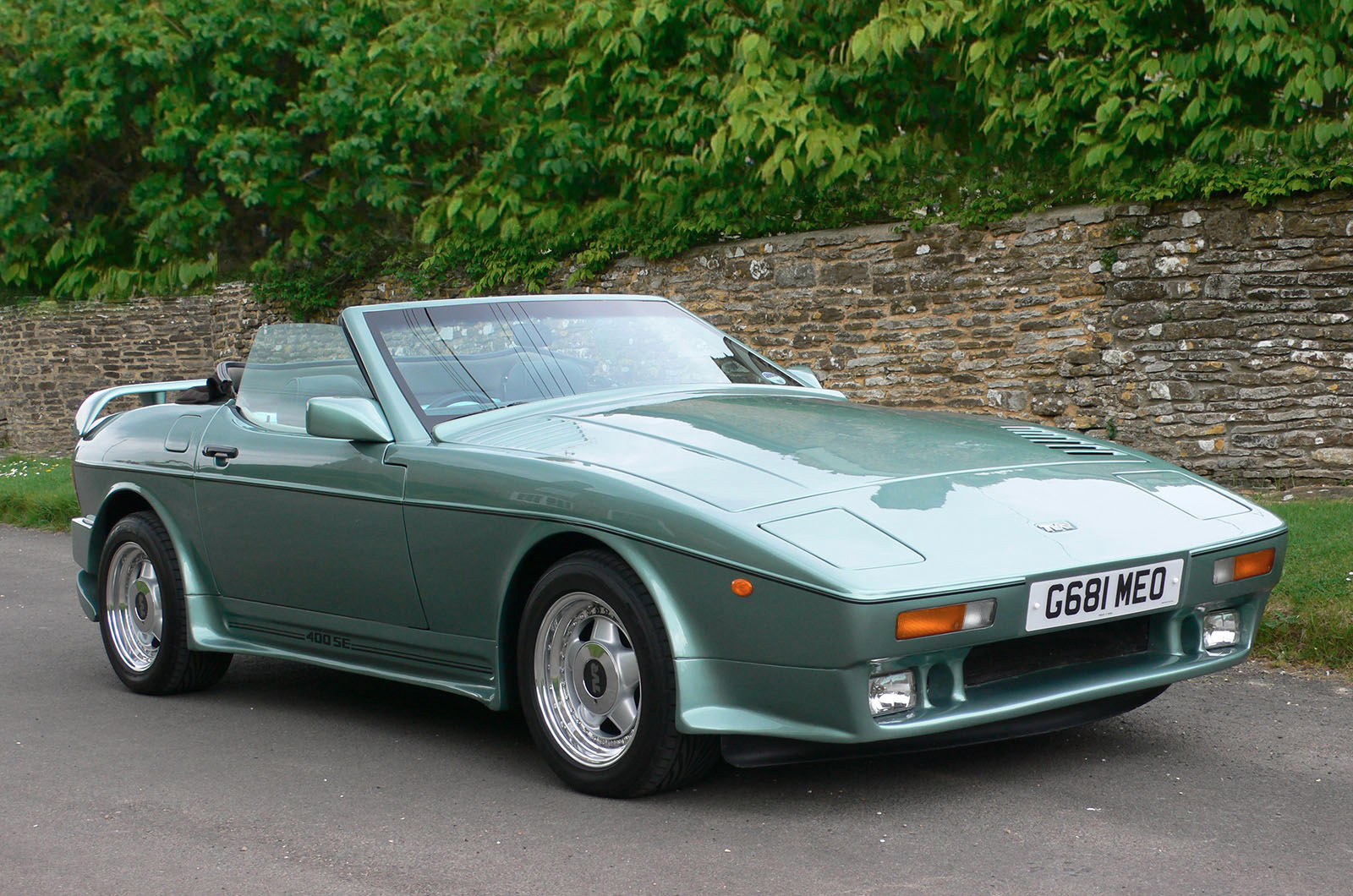
As 1980s as Linda Evans’s shoulder pads, these TVRs need to be categorised as those made before and after Peter Wheeler’s arrival. Early cars, like the 2.0-litre four-cylinder Tasmin and even the 2.8-litre V6 version, offered only limited performance. Then Wheeler arrived, put the Rover V8 under the bonnet and created the 350i – and all was well again. If you can live with the looks, the 350i, 390SE and crazy 420SEAC (pictured) are genuinely underrated.Prices from £8,000 for scruffy 350s, but condition and history is important; scruffy interiors are inevitable, and the basic mechanicals are easy to put back together. But avoid cars with chassis rot and GRP damage, as this can make project cars unviable. Five grand buys something that works, but projects are yours for far less.
TVR S1/S2/S3/S4 (1987-1992)
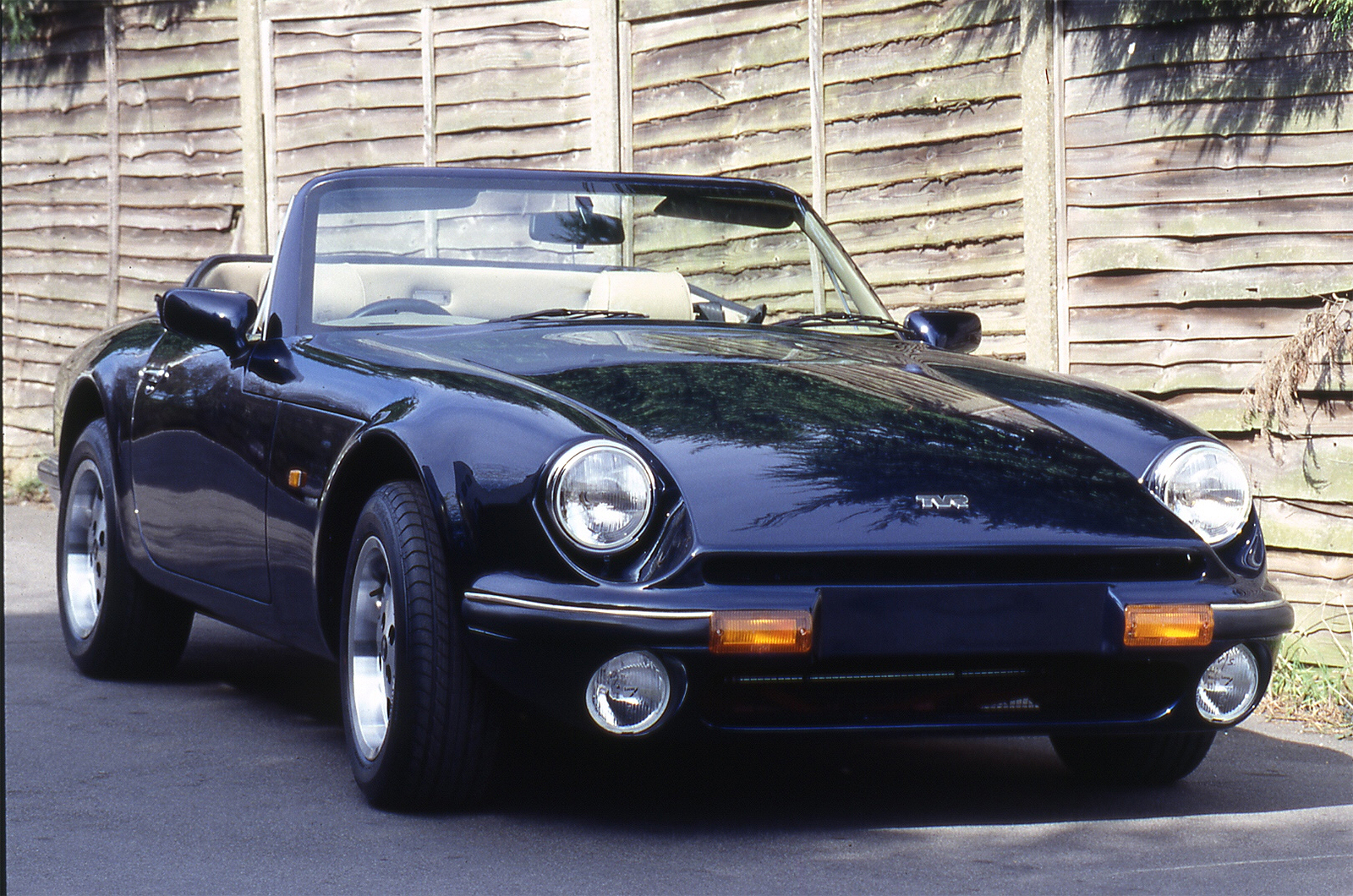
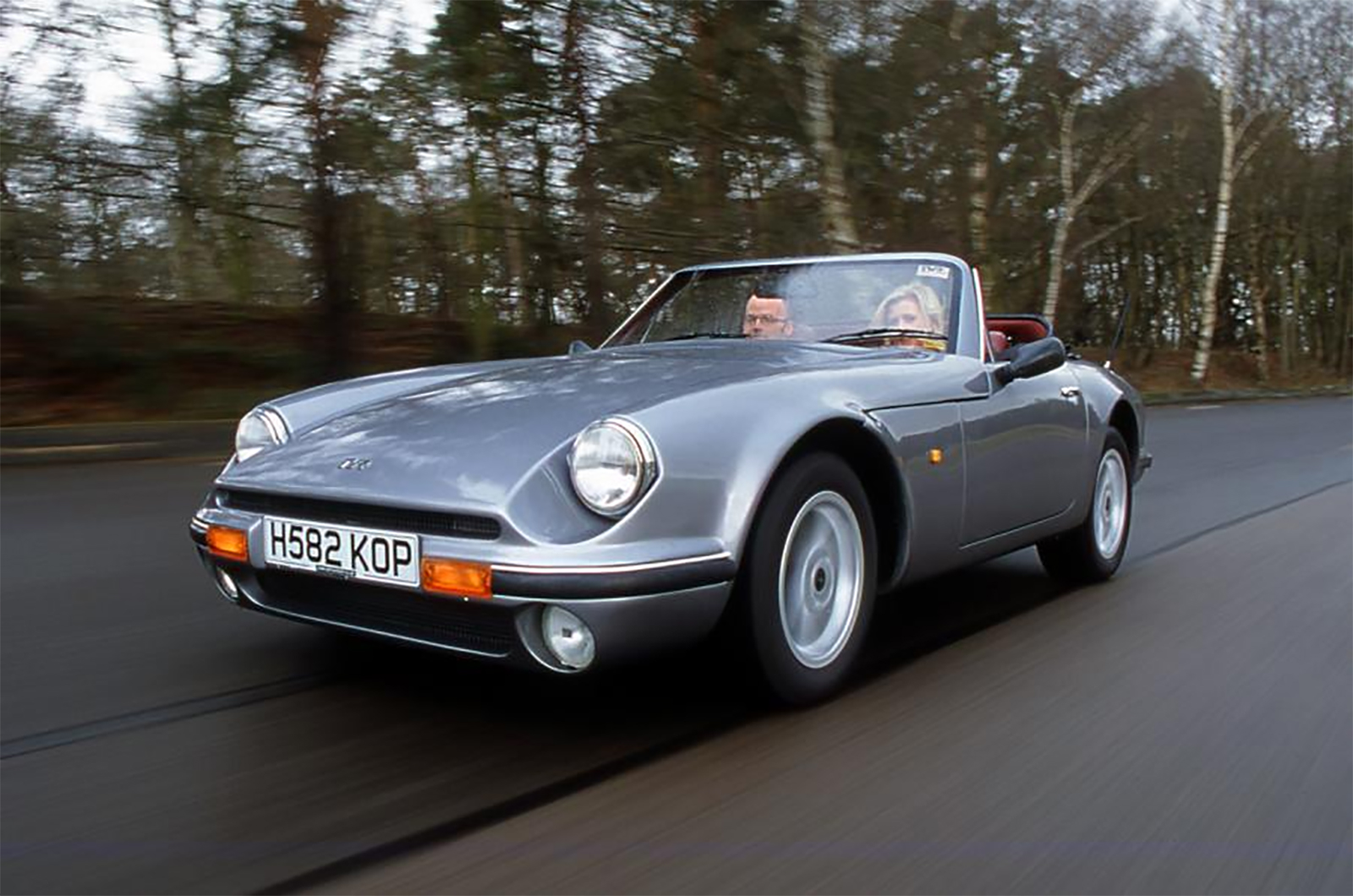
All S models look essentially similar, but S2 models from 1988 got a 2.9-litre version of the Cologne V6 engine, while a 1990 restyle introduced the S3, which remained until the end in 1992. They are relatively simple to look after mechanically but be wary of pricey GRP bodywork repairs. S4 (pictured) appeared at the end of the S’s life.