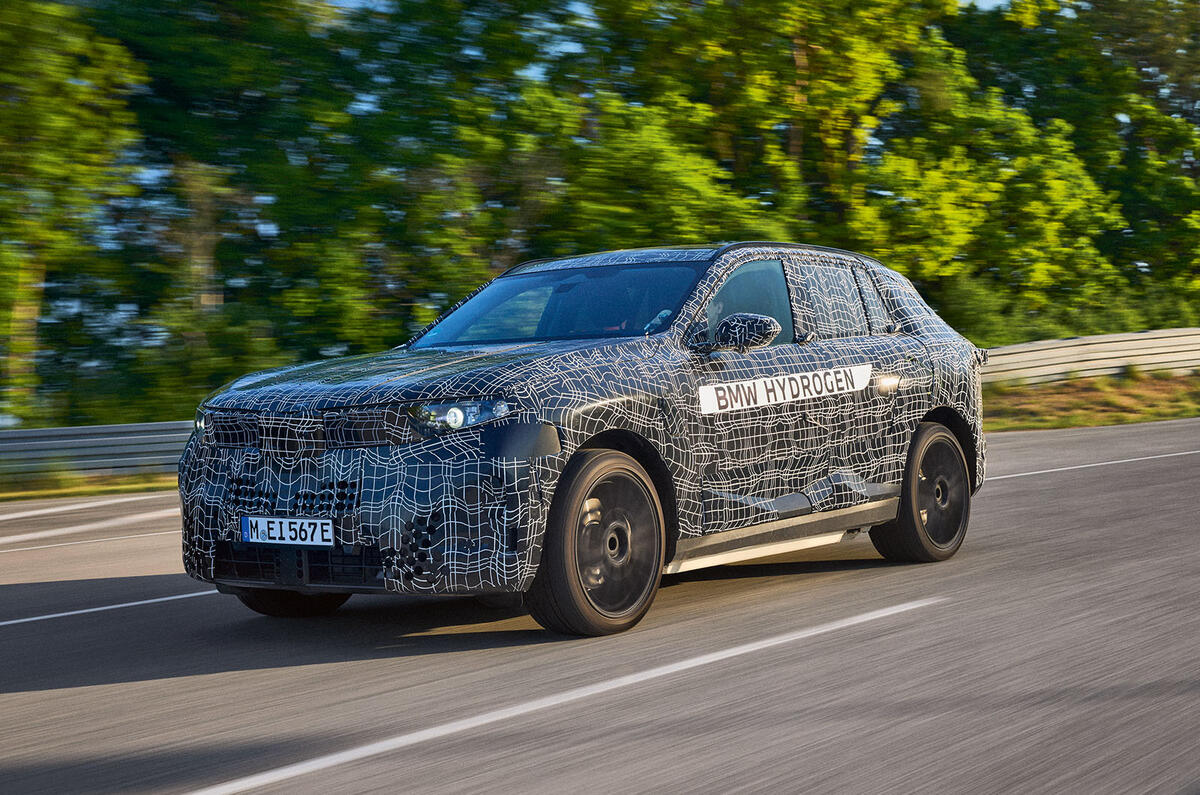

Due to enter series production in 2028, BMW's third-generation fuel cell system will be "a milestone in automotive history", says BMW, and "the first-ever series production fuel cell electric vehicle (FCEV) to be offered by a global premium manufacturer".
It may be the first from a premium manufacturer but other FCEV makers include partner and fuel cell development veteran Toyota, which launched the Mirai in 2014 and started developing FCEVs in 1992.
There have been others, such as the Hyundai Nexo and Honda Clarity, and others only available for use in trials, such as the Mercedes A-Class-based Necar 4, which was launched in 1999 as the first road-legal fuel cell car, which was highly finished and excellent to drive, but here we are a quarter of a century later still waiting for the magic to happen.
Maybe the new BMW will crack it, and while naysayers may insist hydrogen will never succeed, the continued investment of major firms like BMW and Toyota suggests otherwise. For fuel cell cars to take off, there needs to be a refuelling infrastructure and that looks to be on the way in Europe.
BMW says the EU's Alternative Fuels Infrastructure Regulation will establish a comprehensive network of larger, new-generation, 700-bar refuelling stations by 2030, capable of meeting the demands of trucks, buses and cars. Think of an FCEV as a petrol hybrid but with a fuel cell system replacing the combustion engine. Refuelling one is just as fast as filling an ICE car.
At the heart of a hydrogen fuel cell system is the fuel cell stack, comprising hundreds of individual small fuel cells in the same way an EV battery pack is made up of lithium-ion cells. BMW's latest fuel cell system has been jointly developed by BMW and Toyota, whereas its first-generation fuel cell system fitted to the 535iA in 2014 was supplied entirely by Toyota.
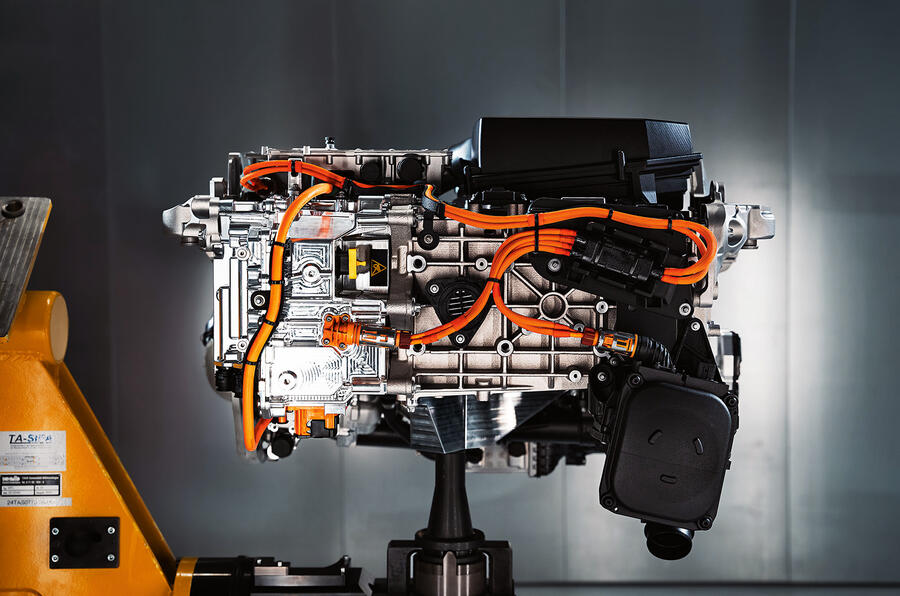
The second generation installed in the existing iX5 pilot fleet was developed by BMW using individual cells in the stack supplied by Toyota.
The new system occupies 25% less space, thanks to a notable increase in power density over the previous generation. It can be seamlessly integrated into future vehicle architectures and is more efficient than previous versions in terms of power and energy use.
Prototypes are being built at BMW's competence centre for hydrogen in Munich, Germany, and series production will start at the BMW Group's plant in Steyr, Austria, in 2028.