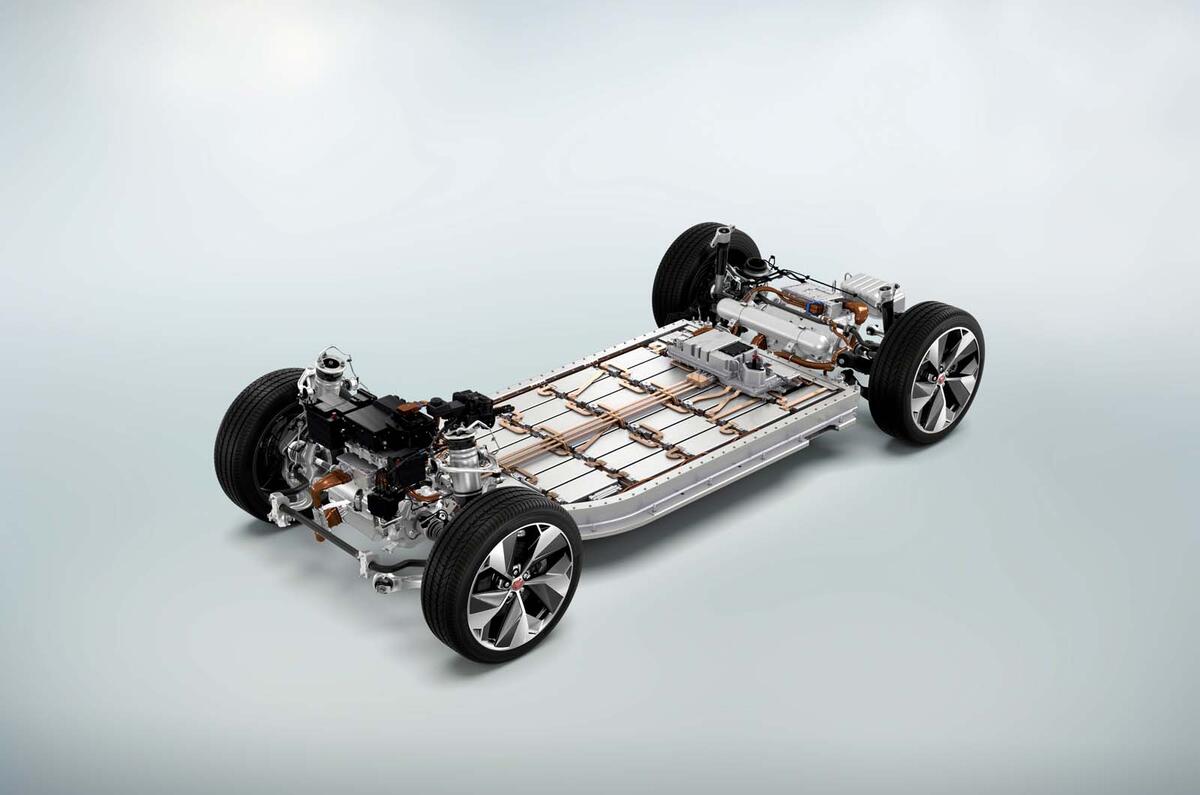

Solid-state battery technology “may not be necessary” for future electric cars due to developments in lithium-ion-based batteries.
That’s according to Mercedes chief technology officer Markus Schäfer, who said improvements to the energy density of lithium ion batteries had been “unexpected” to the point where they could end up being “neck and neck” with solid-state batteries in terms of cost and energy density.
Solid-state battery technology has long been touted as the next breakthrough for battery-electric vehicles for its supposedly better energy density and therefore lower cost, but Schäfer says he doesn’t see them as having “come with a major cost advantage or energy advantage” because “so many people have worked on the conventional cells, making them so much better”.
He conceded there is a safety advantage to solid-state technology but developments are expected in lithium technology too. As such, the technologies are in “a head-to-head race, the winner of which I don’t know” and solid state no longer seems a “major breakthrough” while still facing a “long, long development time”.
Schäfer said Mercedes has invested in start-up firms developing the technology in the US and Korea and is still continuing to watch the development of the technology with interest.
However, he said that the “very optimistic forecasts a while ago” about the potential roll-out of solid-state battery technology “reminds me a little bit of the forecasting for autonomous driving”, a reference to how that has been delayed and the industry has scaled back on projections for its uptake.
His comments are at odds with recent positive developments in solid-state battery technology from the likes of Nissan and Toyota, both of whom plan to have it in production in 2028 and see it as a key breakthrough in battery technology to enable smaller, less expensive and more energy-dense cells in the long term.
Schäfer also dismissed ultra-fast charging as a way of getting smaller batteries into electric cars, because range anxiety is still prevalent among buyers who still think of the worst-case scenario rather than typical daily usage.
“They think about the one trip they have to do each year [that requires more range] and this is not rational. People think only of their one winter ski trip or summer drive to Italy,” he said.