From £59,990

New Modena V6 version adds GT appeal to an overlooked sports SUV, but is it worth £10k more than a BMW X3 M50?

Find Driven: Maserati Grecale gains 385bhp V6 to fill the Macan gap deals
New car deals
From £59,990
Nearly-new car deals
From £55,999
Other Services
Sell your car
84% get more money with

Maserati bosses talk a good game about a stellar future. Sales figures and sell-off rumours be damned: the outlook has never looked brighter for the Italian brand, they suggest, with its positioning as Stellantis’s only true luxury brand and the scope for cost-efficient platform- and part-sharing within that group, such that its current lacklustre commercial performance isn't necessarily indicative of an uncontrolled descent towards oblivion.

But the numbers obscured by that unbridled optimism tell a very different story, which is hard to ignore. Since its launch in 2022, the Grecale – which was to be Maserati’s long-awaited cash cow, its sorely needed and surely unsinkable foray into the less rarefied air of the premium SUV segment – has found just 1600 buyers in the UK. In the same timeframe, Porsche GB has shifted more than 31,000 examples of its closest rival, the Macan.

But now the ICE Macan has gone, which could pave the way for the Grecale to start making hay - and with this latest round of updates, Maserati aims to start reversing the slump for its bread-and-butter car.

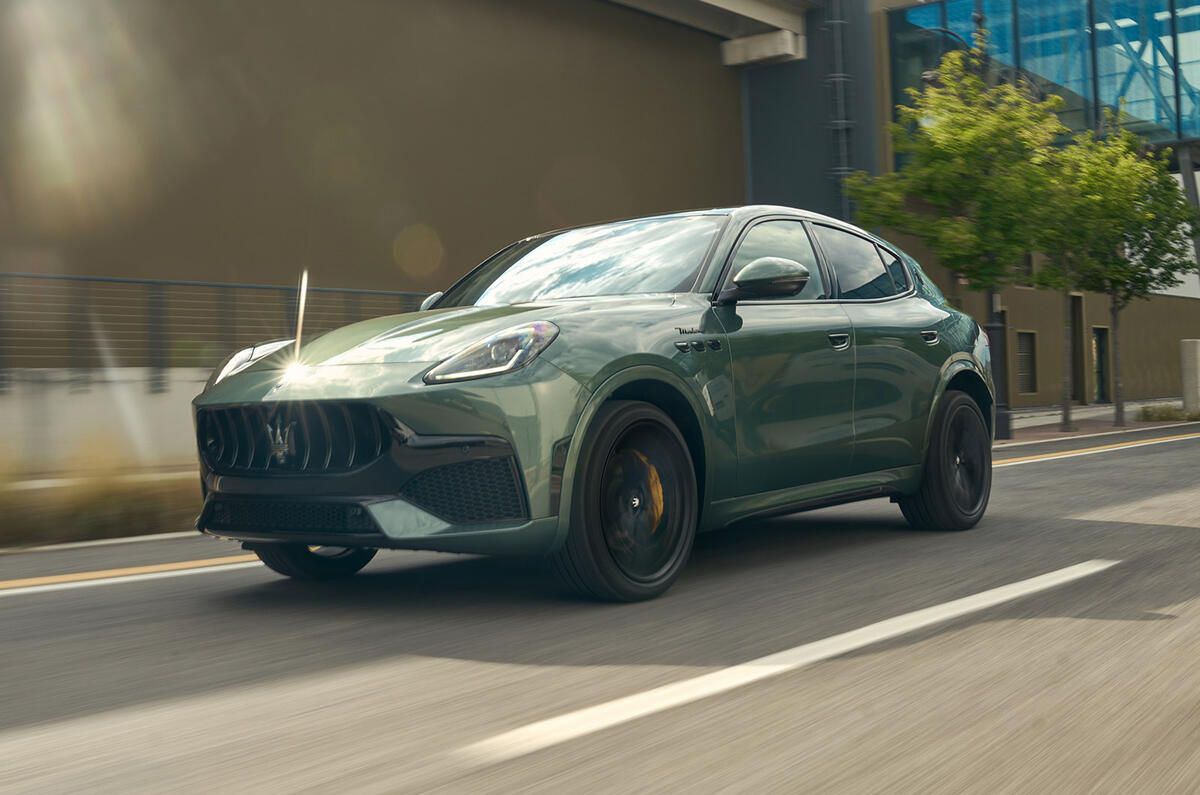
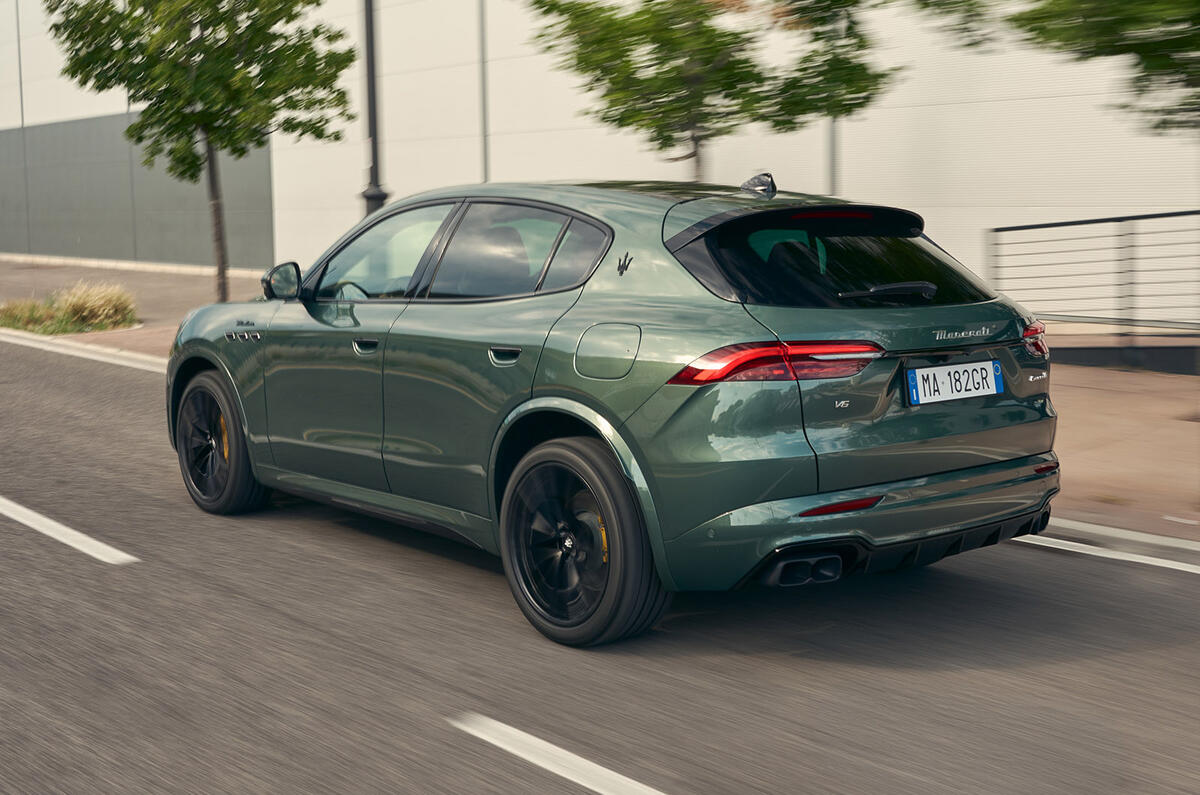
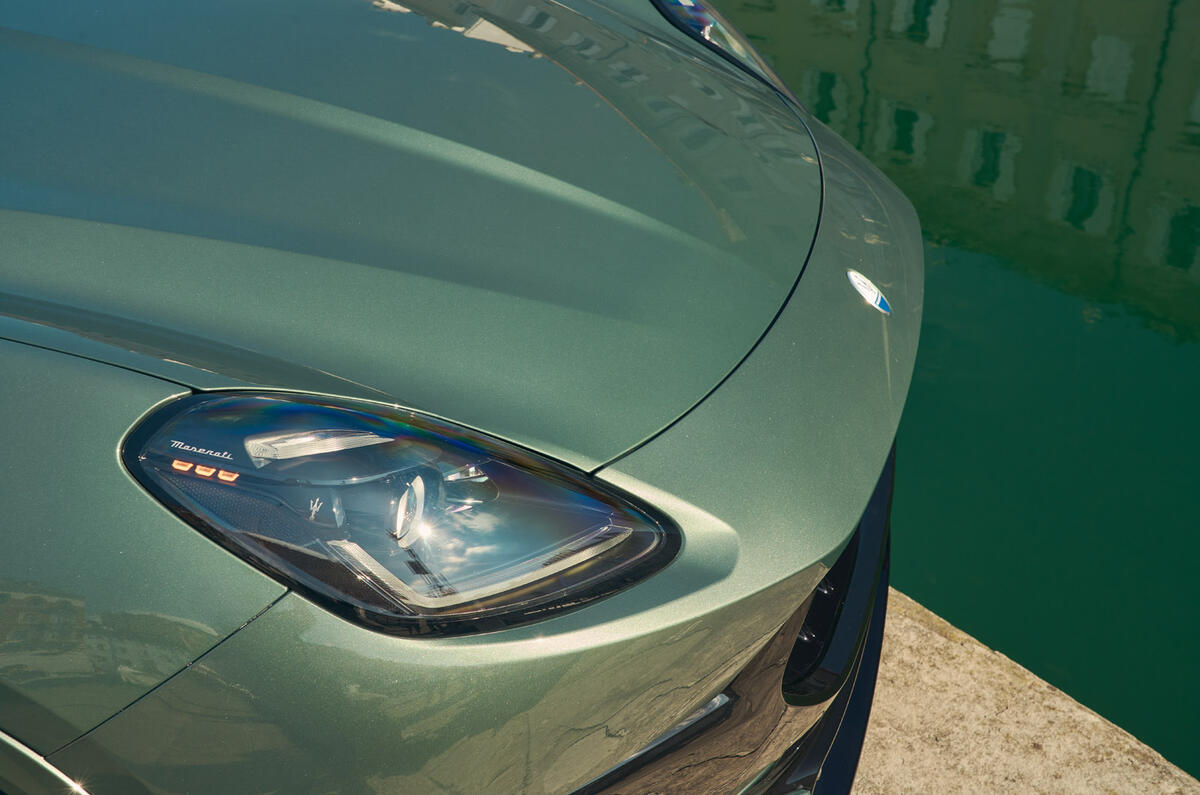
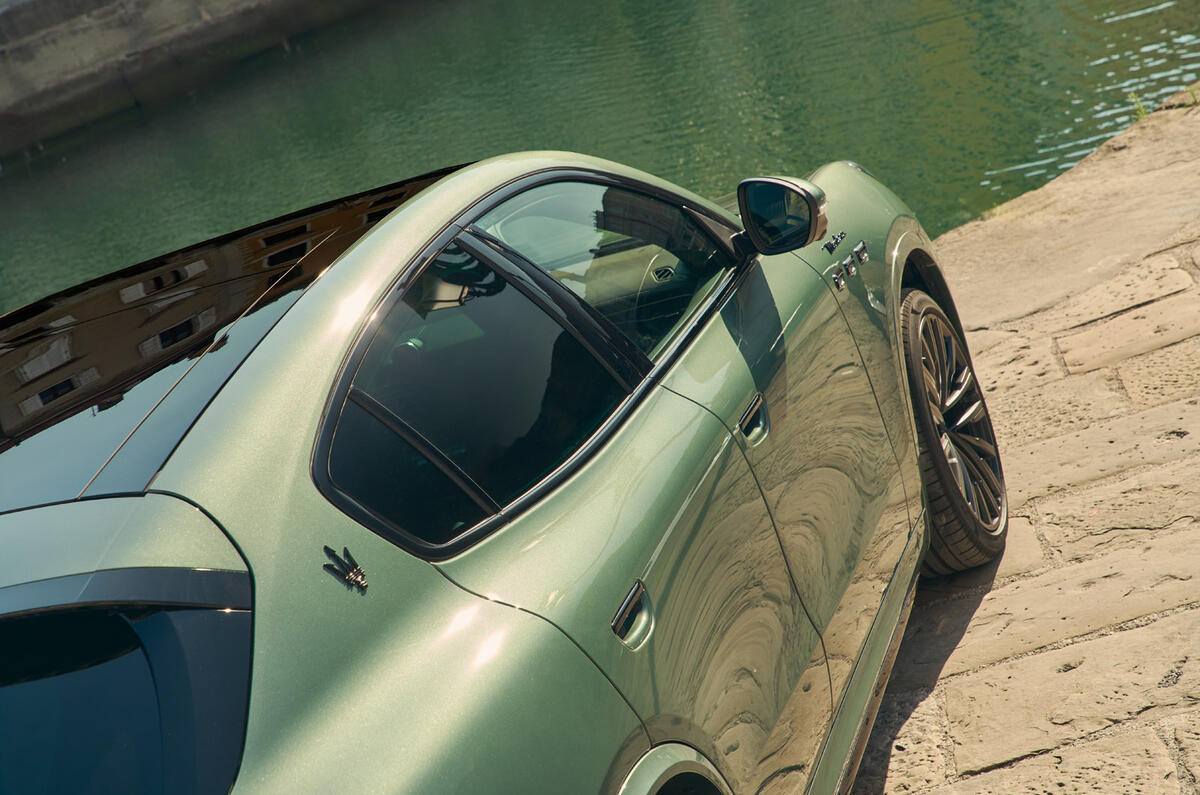
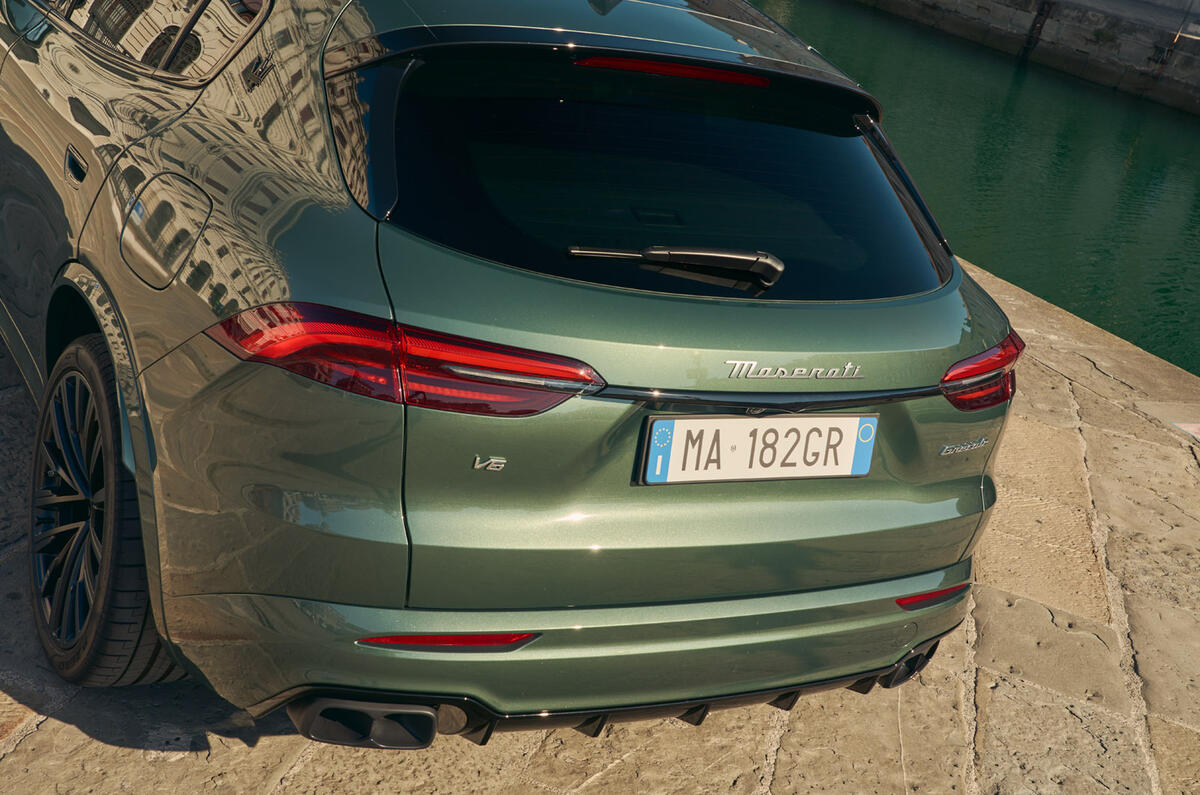
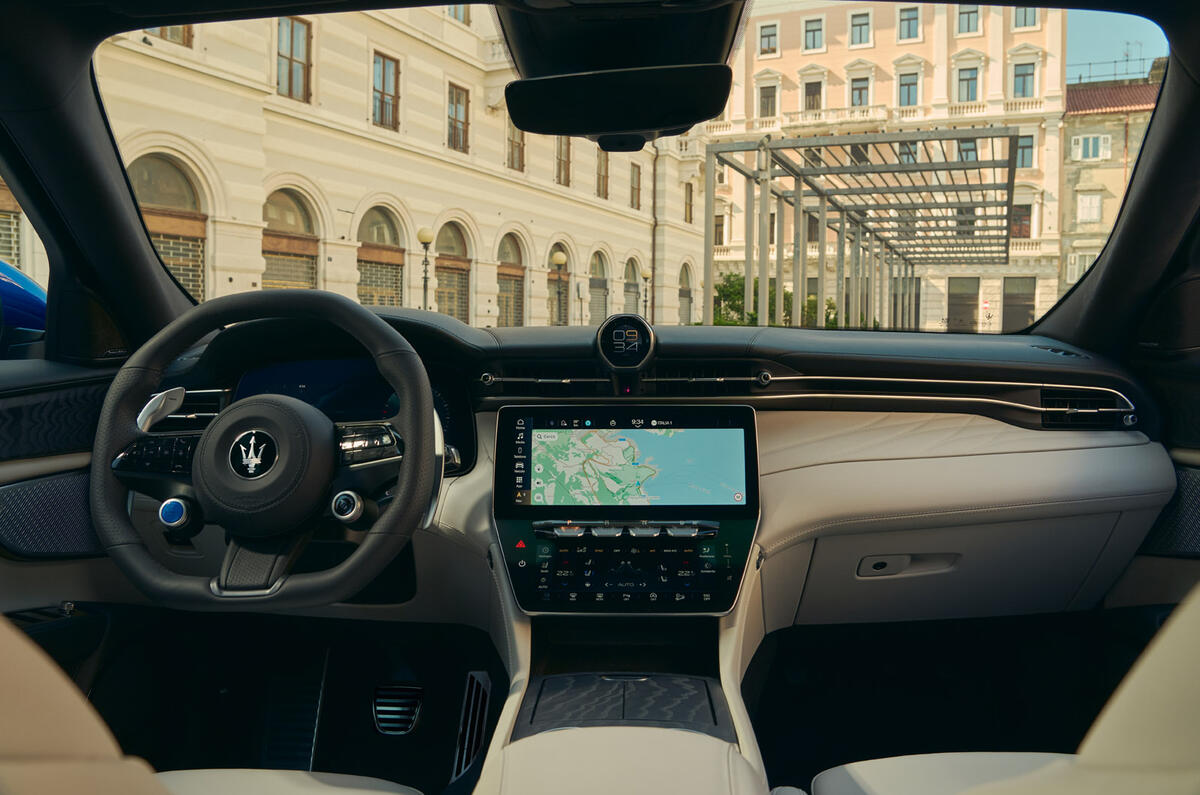
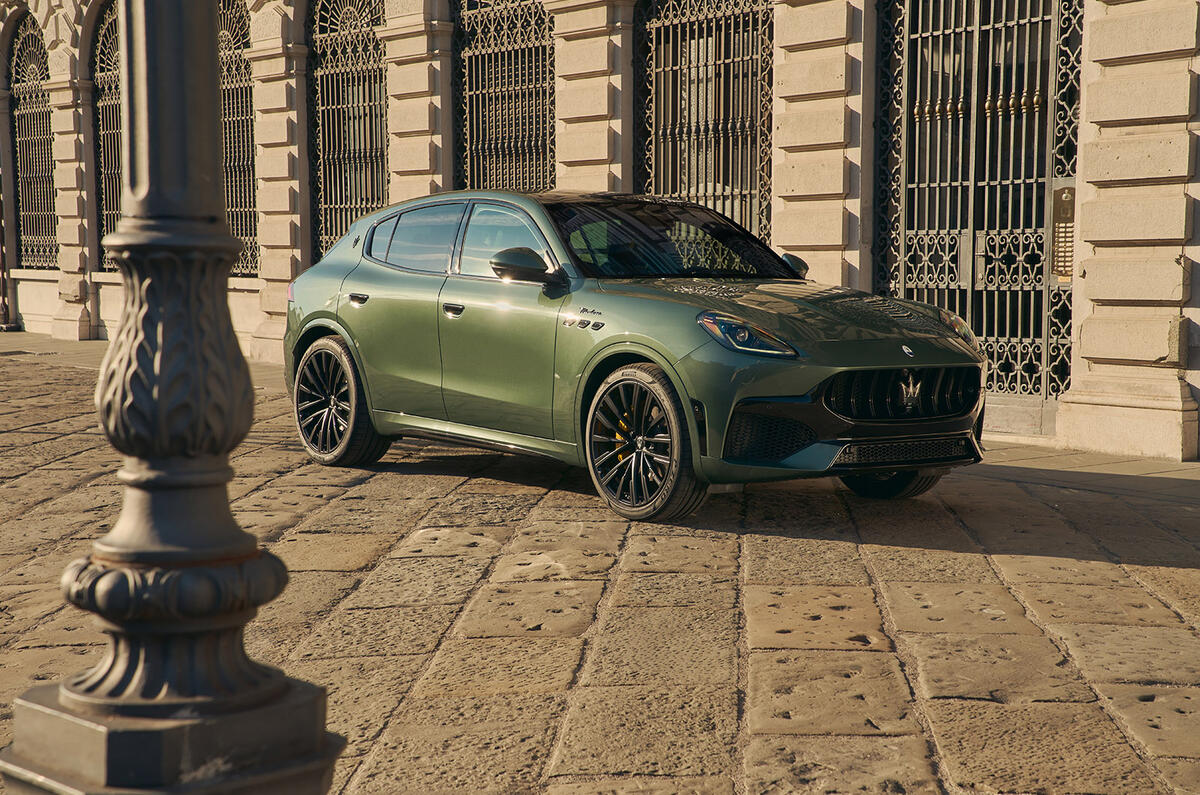
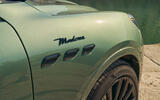
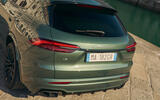
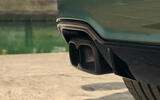
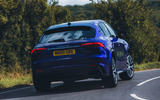
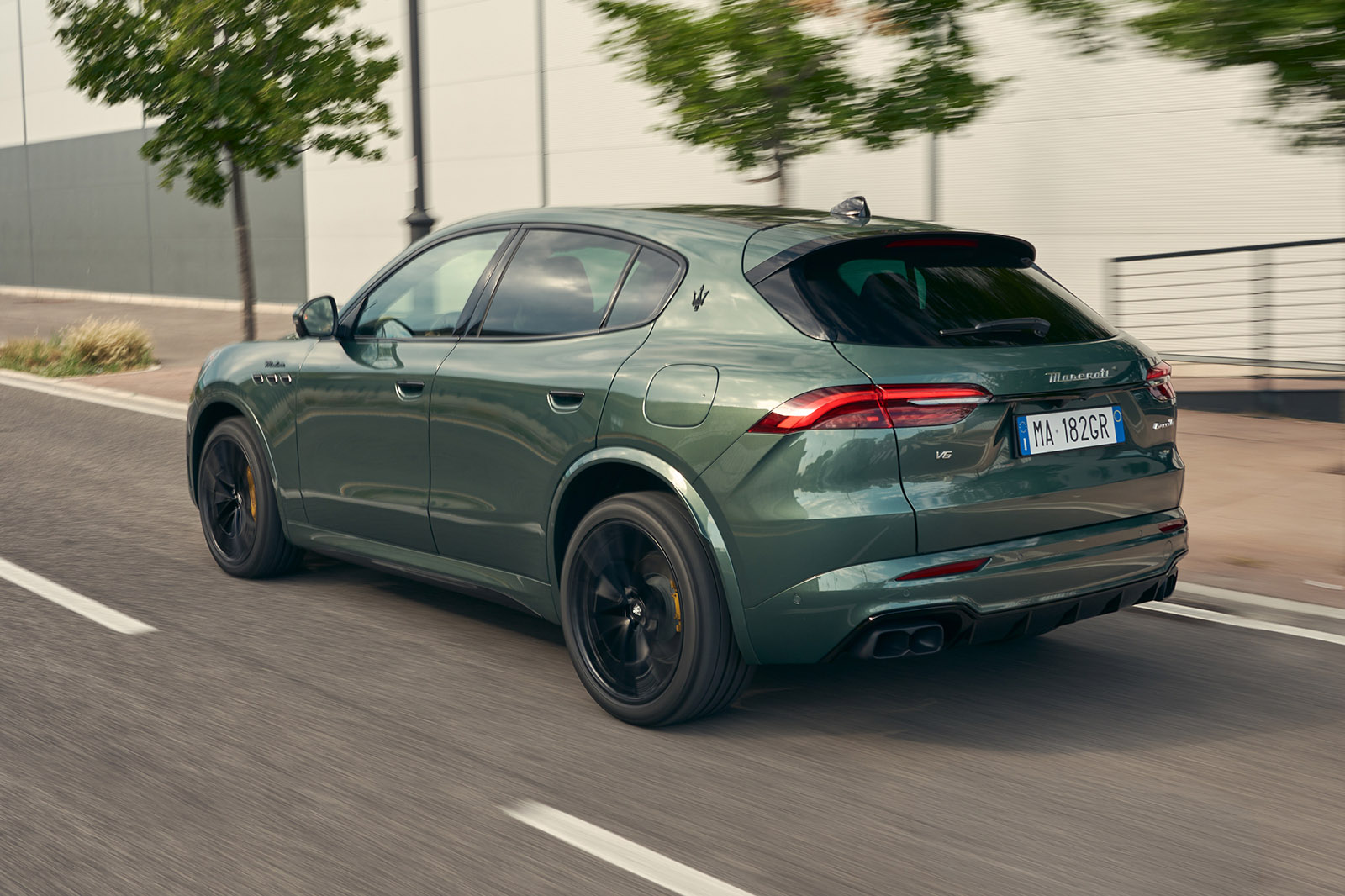
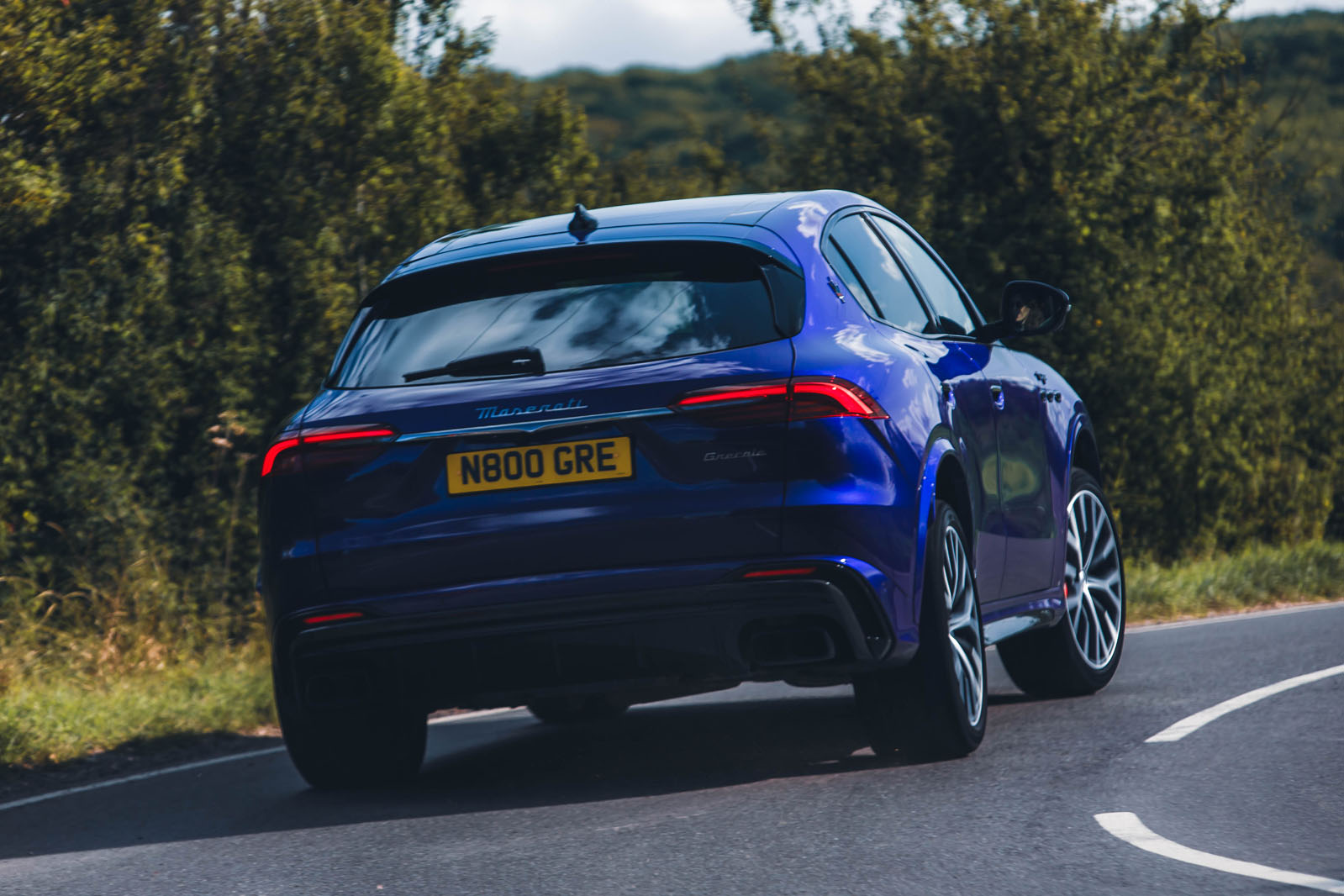
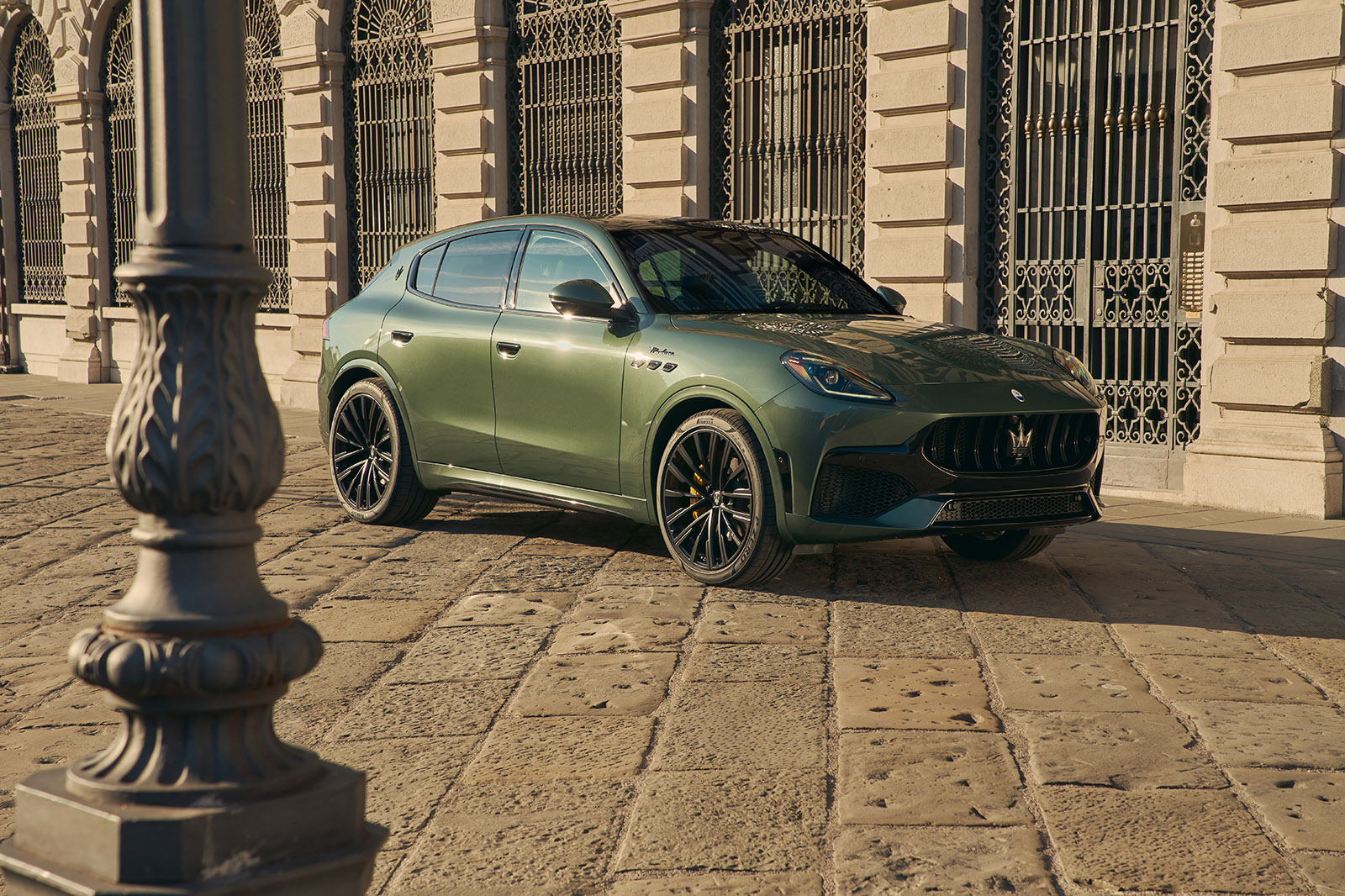
Like the Granturismo and Grancabrio, it now wears a more aggressive look inspired by Maserati’s no-holds-barred MCXtrema track car – clock the sharper bumpers and beefier intakes – and features a raft of subtle interior tweaks aimed at addressing customer criticisms and boosting usability.

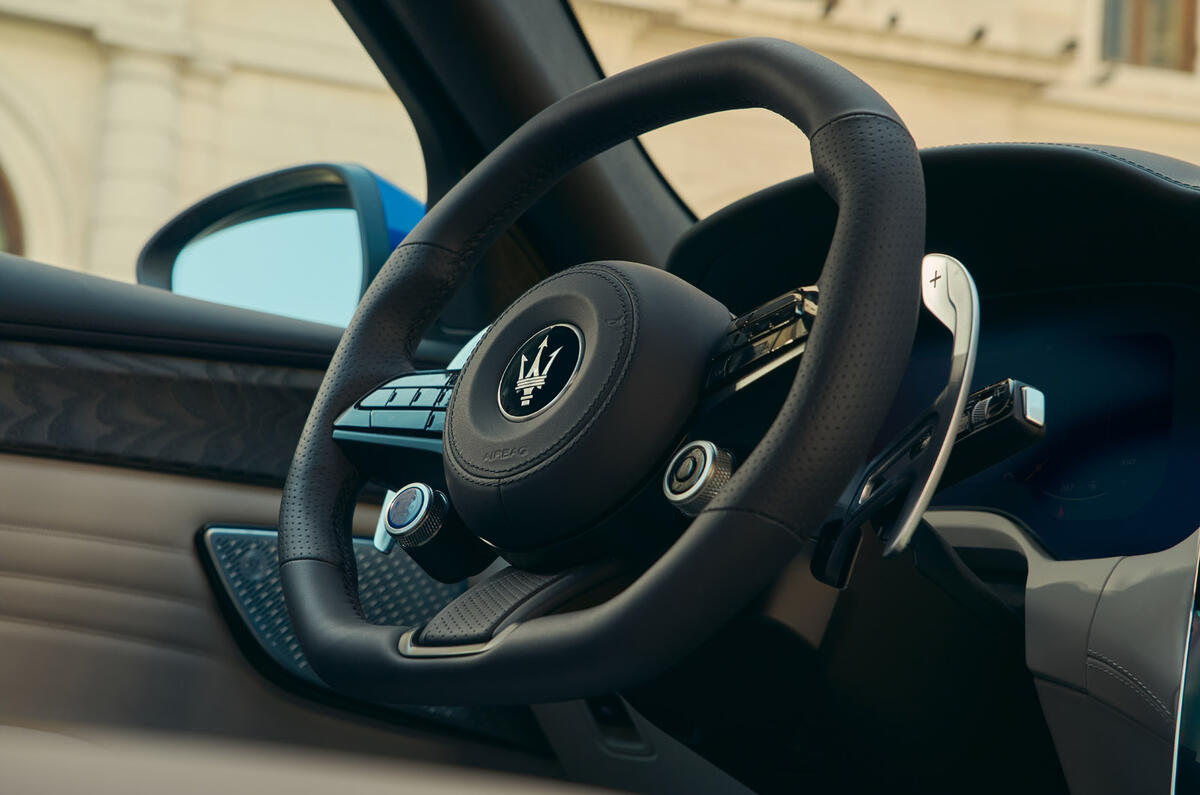
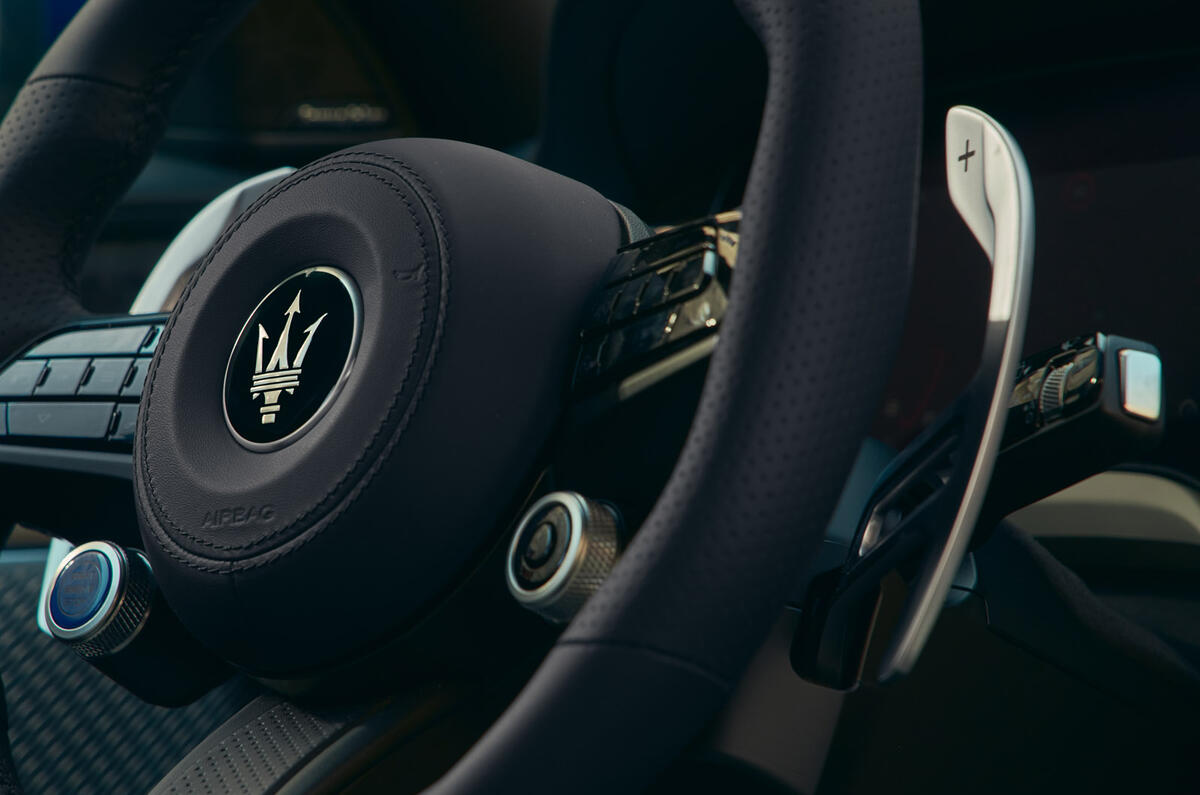
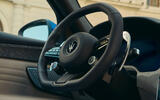
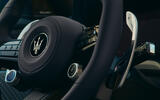
Chief among these – as in the grand tourers – are a refined drive-selection arrangement, slicker driver display graphics and a new steering wheel that has been reshaped for a meatier, more substantial feel. 

Advertisement
Back to top

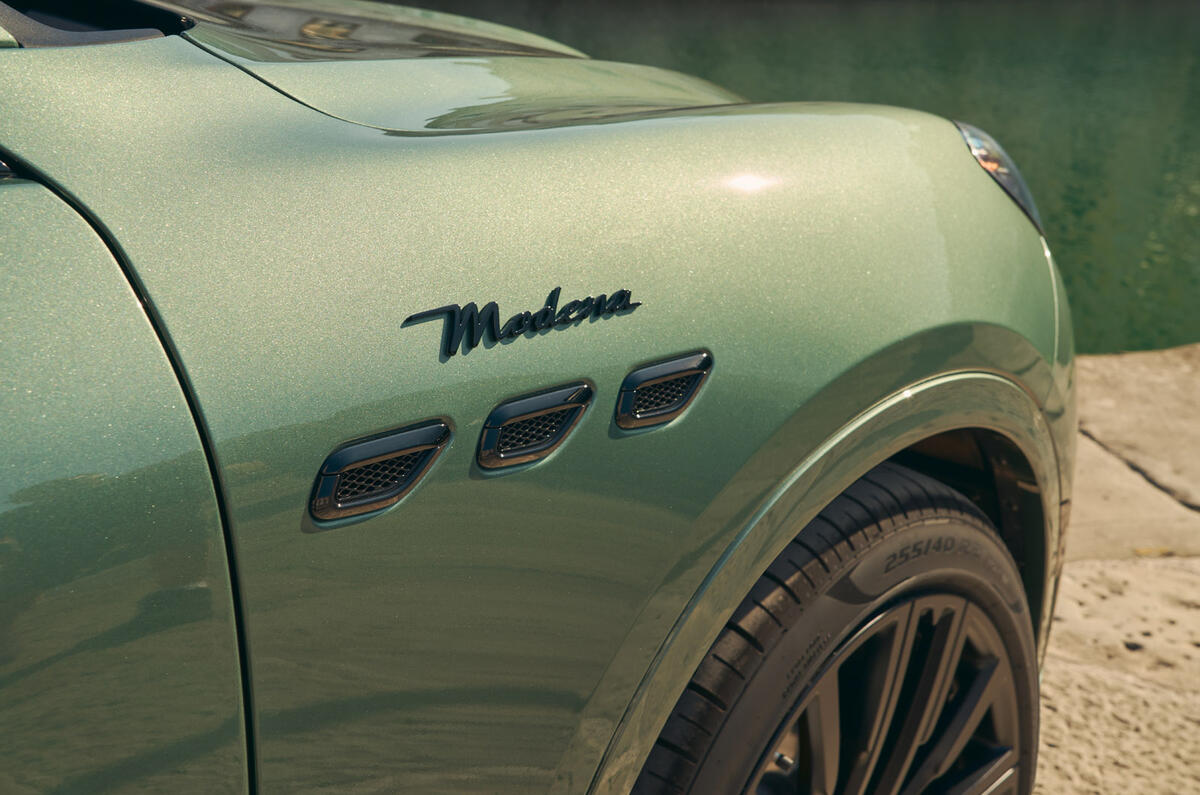
More significant, though, is the introduction of a new mid-rung Modena V6 derivative, which slots in between the entry-level four-cylinder MHEV and the shouty Trofeo V6 range-topper at £85,395, to provide what Maserati refers to as “the sweet spot” in the line-up - and which would seem nailed-on to become its best-seller. 

It also, notably, gives Maserati an ICE-powered Grecale that costs the same as the electric Folgore variant, which might not help the chances of an EV that's already severely struggling to find its feet in the market.

A slightly improved maximum range of 360 miles might nudge the EV towards claiming some meaningful market share; we will be able to better judge when we get our hands on the updated car in the coming months.

For now we will focus on the new Modena V6, which we've driven in Italy, and the range-topping Trofeo, which we put through the full Autocar road test before the facelift.

DESIGN & STYLING

7
Maserati Grecale Modena V6 review 2026 076

The Grecale’s new look aims to boost its sense of presence and emphasise its sporting character, taking heavy influence from the MCXtrema - which didn't have to confirm to any road regulations and thus is essentially the purest and most extreme expression of the company’s design principles.

You would be forgiven for not immediately drawing the link between that circuit-slaying 724bhp hypercar and this posh family SUV, but the more aggressive, race-inspired bumpers and chunkier intakes do help to make the Grecale stand out - and to more obviously differentiate it from the old Levante SUV. 

But let's get back to basics: what exactly is the Grecale?

Importantly, it's far more than an upmarket take on the Alfa Romeo Stelvio with which it shares its Giorgio platform.

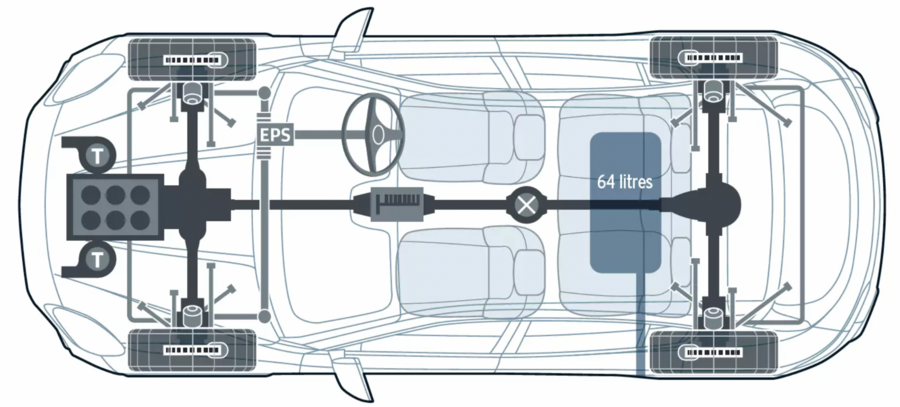
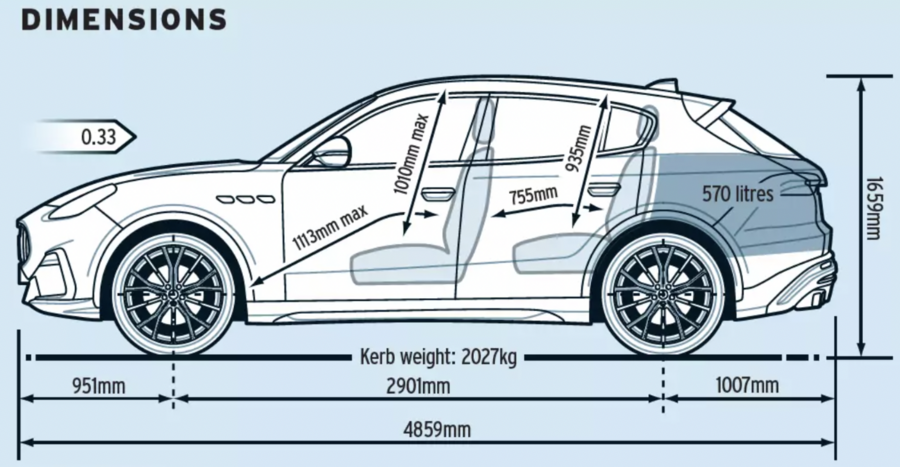
First, the platform has been stretched, making the Grecale 172mm longer than the Stelvio, with an 83mm-longer wheelbase. The other big change is that the platform has been re-engineered for various degrees of electrification. The four-cylinder versions of the Grecale are hybrids, and even though they’re of a very mild nature, a battery had to be accommodated under the boot floor, so they have slightly less load capacity.

Meanwhile, rather than carry its 150kWh battery as a flat pack under the passenger compartment, the cells in the electric Folgore are arranged in a T-shape, allowing the driving position to remain fairly low.

The V6 in the rortier Modena and Trofeo cars is another big change compared with the Stelvio. Instead of using Alfa’s 2.9-litre unit, Maserati has fitted its own 3.0-litre Nettuno engine, which we first saw in the MC20 supercar and now also powers the Granturismo and Grancabrio.

In the Grecale, it gains cylinder deactivation, trades a dry sump for a wet one and has been detuned from the supercar’s mighty 621bhp to a still-plentiful 523bhp (in the Trofeo) or 385bhp (in the Modena V6). Peak power comes in a little earlier too, at 6500rpm instead of 7500rpm.

All ICE Grecales get the familiar ZF eight-speed automatic gearbox and a rear-biased four-wheel drive system.

The V6 cars get an electronically controlled limited-slip differential on the rear axle; the four-cylinder ones have a mechanical limited-slip differential or a normal open one.

INTERIOR

7
Maserati Grecale Modena V6 review 2026 063

The interior of the Grecale poses one important question: how much will owners of this luxury SUV care that more than a few frequently touched components are shared with cheaper cars like the Fiat 500?

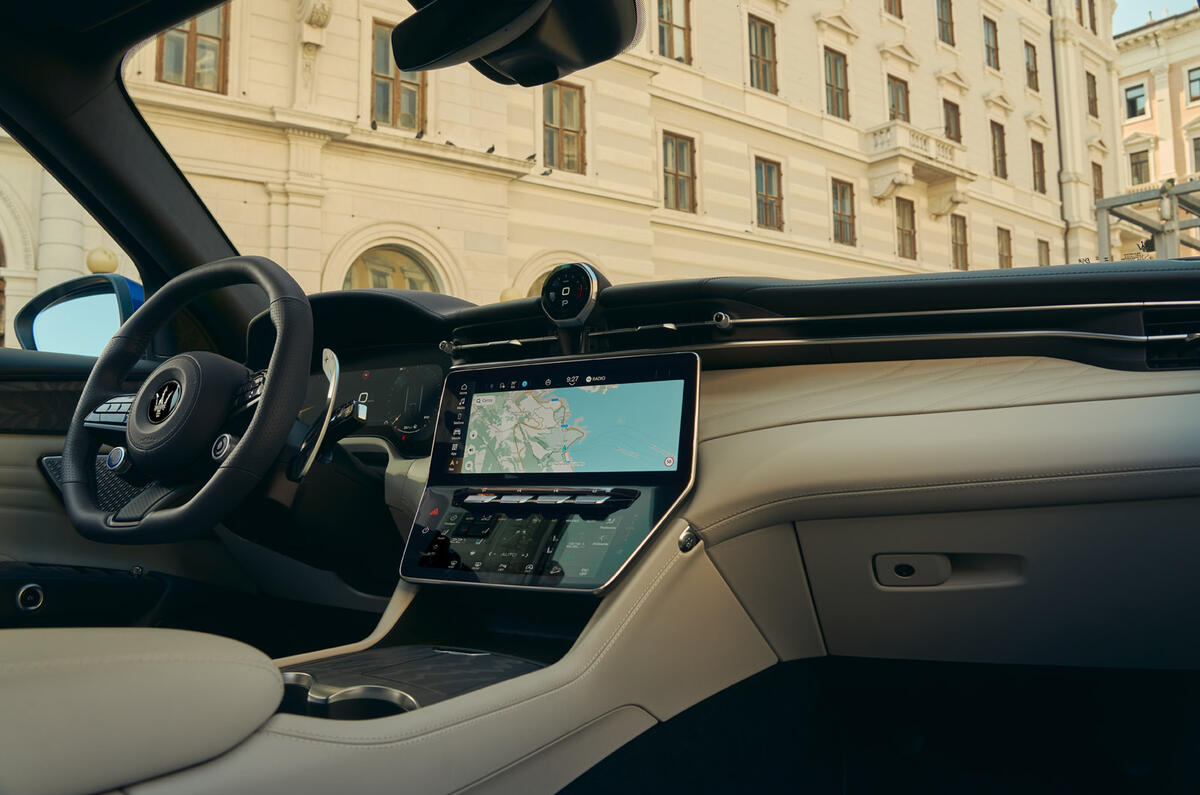
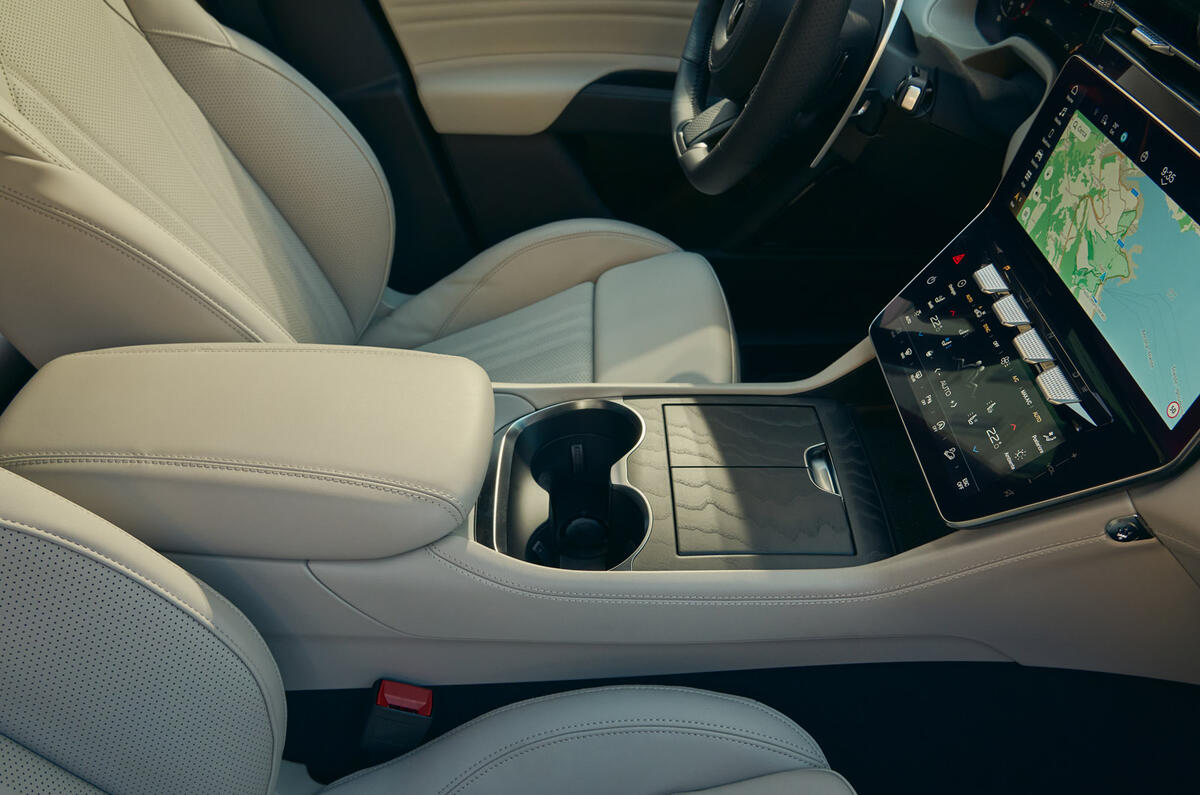
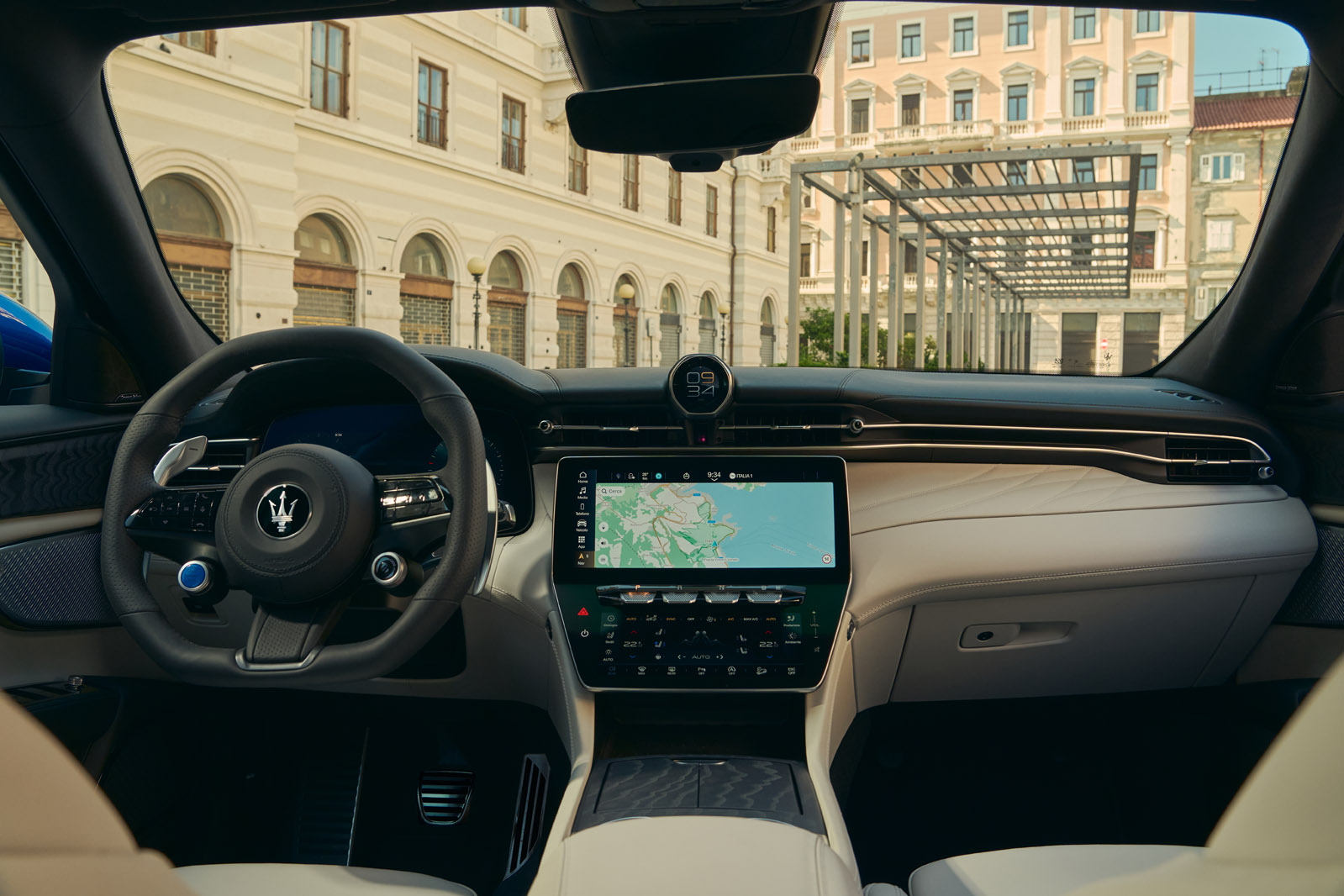
It starts right when you open the door. The squeezy electronic handle – Fiat 500. The electronic button to get back out – same. The pedals and column stalks – Alfa Romeo. The multimedia screen – Fiat 500 again. And while the drive-selection panel has been overhauled in response to customer feedback, now feeling a lot slicker and more intuitive to use, the arrangement of the PRND buttons widthways below the touchscreen is another all-too-obvious indication of parts bin plundering. You'll find the same fundamental format in the Fiat 600 and Jeep Avenger.

It’s not that these parts feel low-rent, and in fairness Bentleys have Audi stalks too, but a Grecale owner might have a Fiat 500 on the side and wonder if that family connection couldn’t have been better disguised.

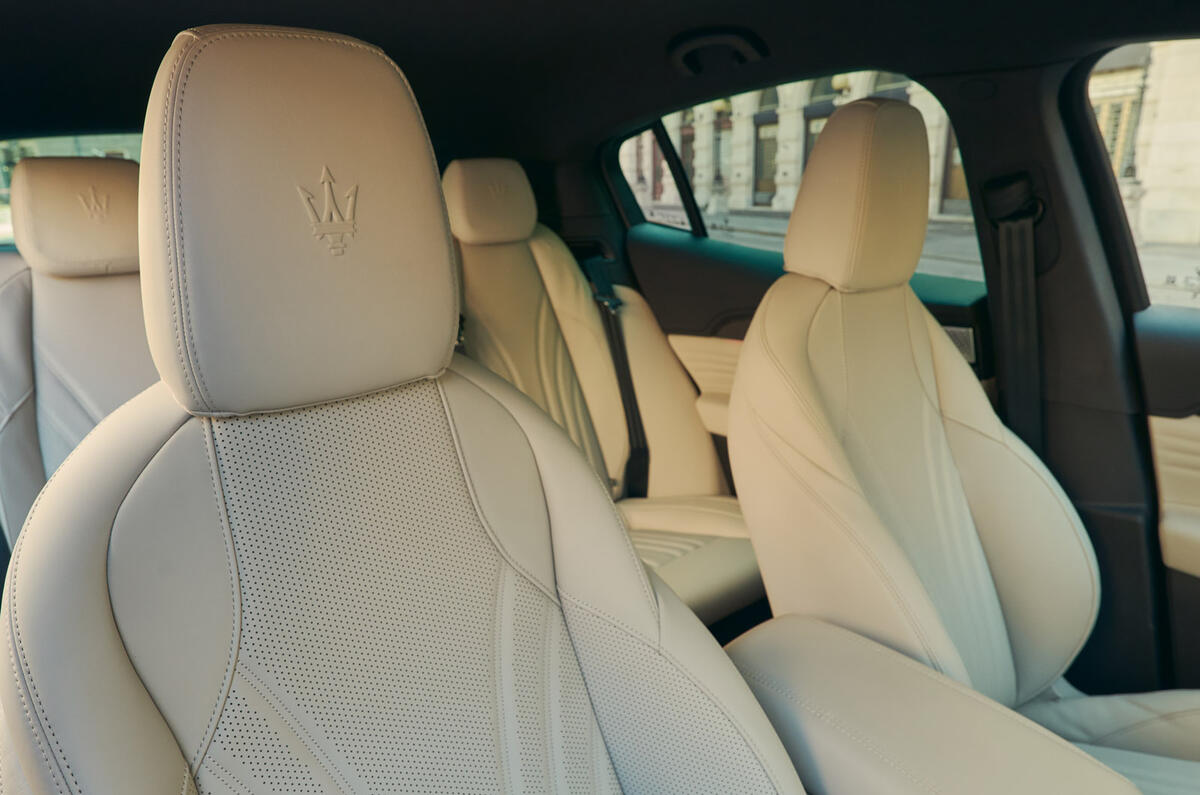
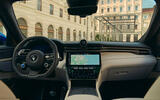
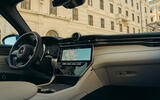
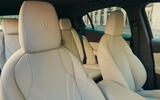
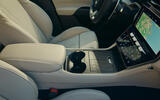
Thankfully, the Grecale has plenty of charm elsewhere to win you over. The interior design is restrained and handsome, and the materials are top-notch, with a few different types of soft leather, neat stitching and plenty of real metal.

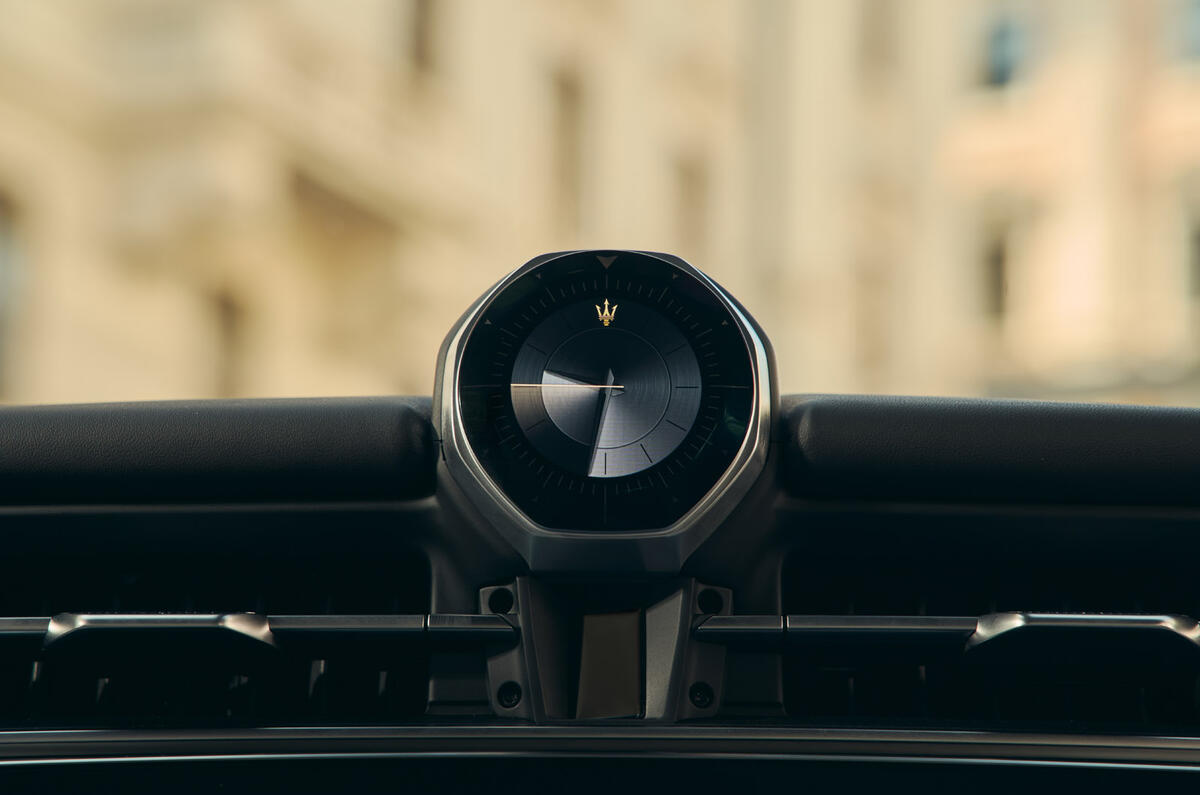
New for 2026 is a revised digital clock atop the dashboard; that might sound a trivial tweak, but it looks far more bespoke and well-integrated than did the old Porsche-style faux-analogue item. It all helps.

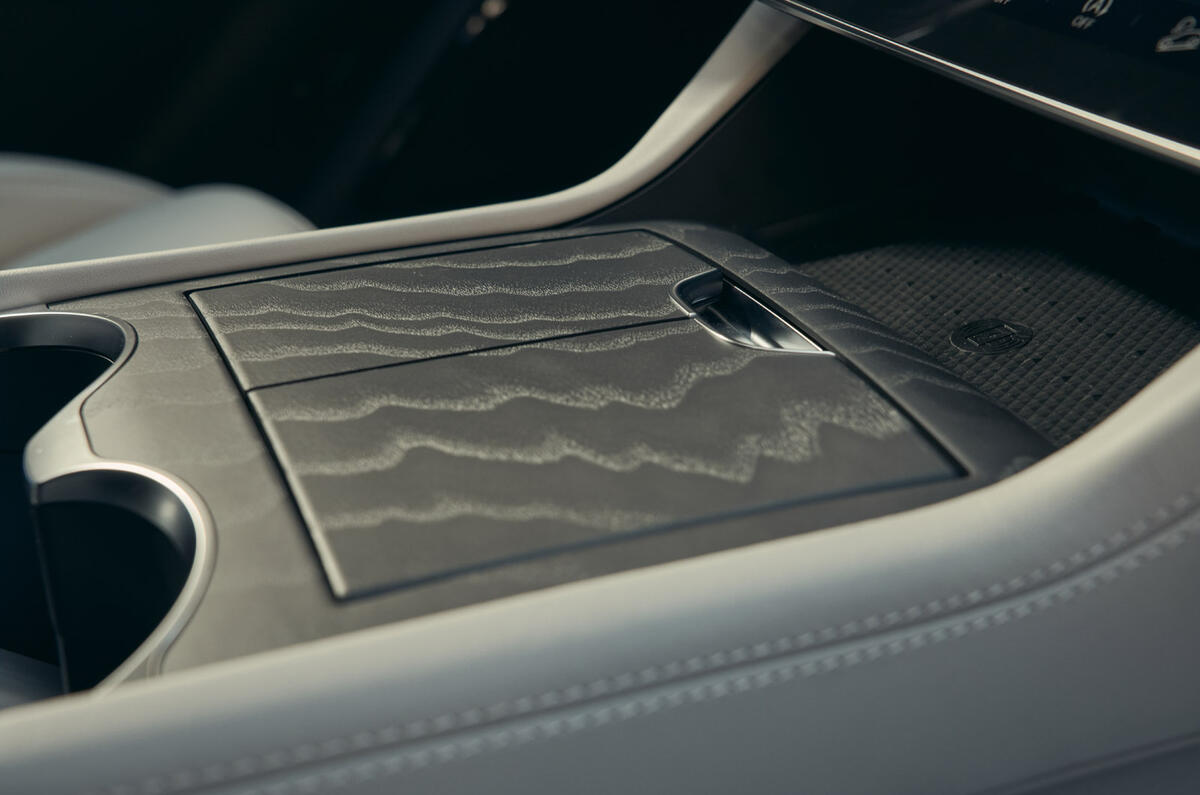
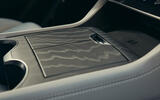
There are some interesting original touches as well. Glossy carbonfibre can look a bit naff, particularly in luxury cars, but our Trofeo test car had an unusual matt material that's rough to the touch, making it quite an appealing alternative to wood. 

This is a 2020s Maserati, so it wants to impress with its technology as well and follows the modern trend of a fully digital gauge cluster. It’s clear, easily navigable and moderately customisable but not especially memorable - although new graphics and an increased frame rate in the facelifted car do augment the experience.

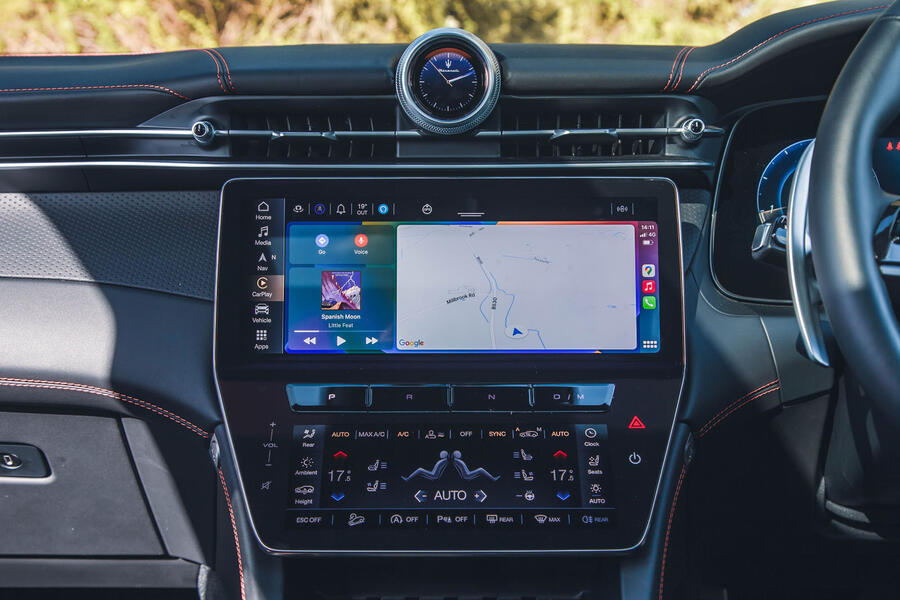
Maserati has gone digital for the secondary controls as well, giving you a smaller secondary screen underneath the main infotainment unit that lets you adjust the climate as well as the ride height for the air suspension, the lights, parking sensors and more. It works quite well but, like the instruments, there’s nothing intrinsically Maserati about it; in fact, it's very Audi.

The tagline for the Grecale is ‘The Everyday Exceptional’, because, 523bhp or not, this will be primarily an everyday family car – and in that respect it does fairly well. The drive selector buttons free up space in the centre console, which has no shortage of cubbies and cupholders.

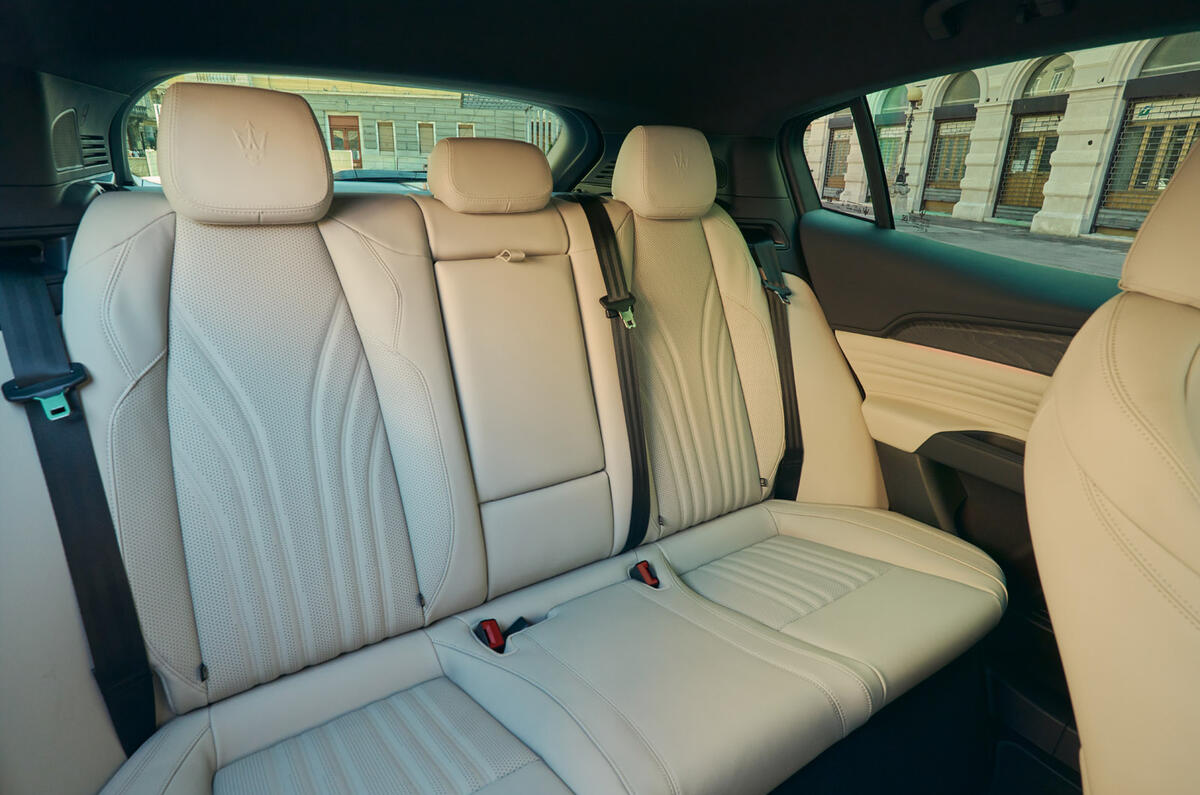
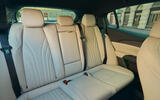
Being longer than rivals gives the Grecale an edge in interior space too. Six-footers will be quite comfortable in the rear seat, with decent head room, more leg room than in rivals and space under the front seats for their feet. They can bring all the luggage they want too.

If you want to maximise boot space, you will want the Trofeo or Modena V6, because these have boot that's 35 litres bigger on account of not having to carry a 48V battery for the hybrid system.

Multimedia system

Save for a few unique logos and settings, the Uconnect multimedia system in the Grecale is exactly the one you will find in various Fiats, Jeeps and Alfa Romeos.

On the one hand, that’s a bad thing because there’s nothing here that really reflects the brand identity. On the other hand, it’s a perfectly pleasant interface that’s mostly logical and works smoothly.

Like Volvo’s and Renault’s system, it’s based on Android Automotive, although you couldn’t tell by looking at it. Uconnect does miss a trick by not offering Google Maps as the standard navigation system; the TomTom module that’s included instead is far inferior. Wireless Apple CarPlay and Android Auto are still included and are integrated well.

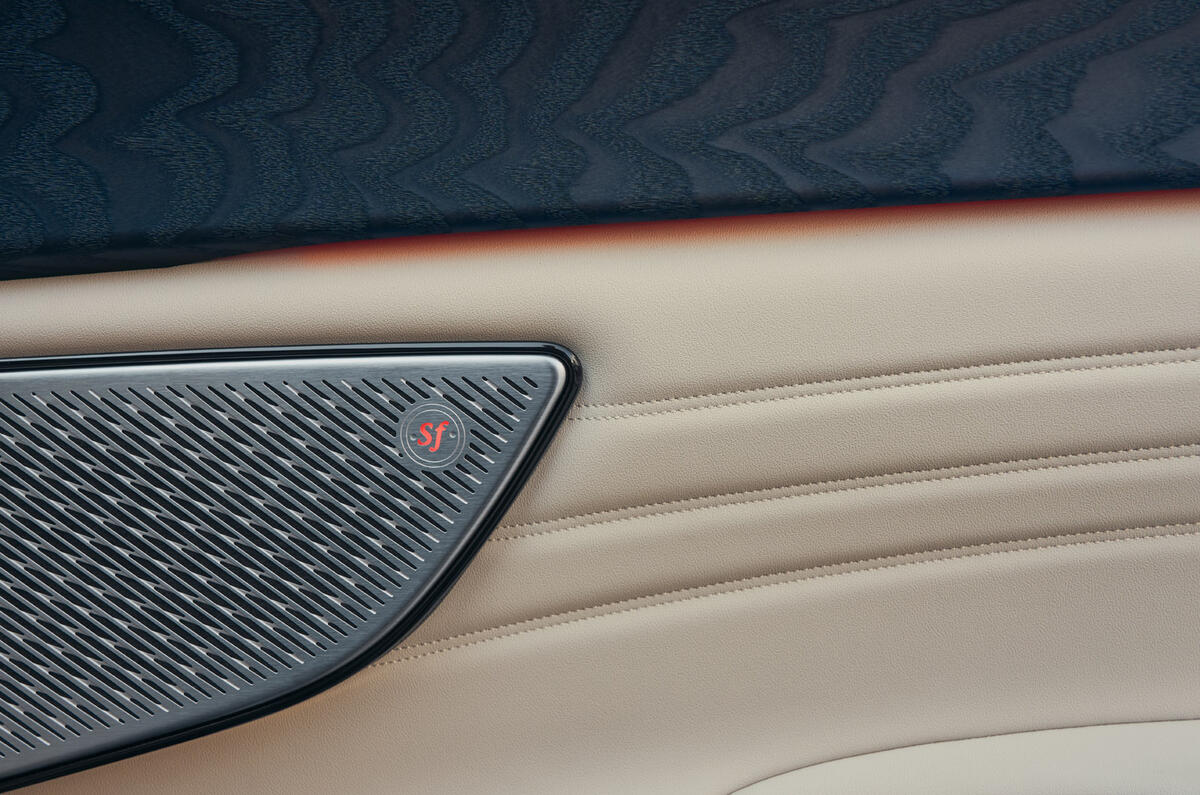
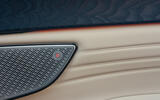
Our test cars had the optional Sonus Faber 21-speaker hi-fi system (£2400 at time of writing). It comes with a good amount of configurability and sounds good but not exceptional.

ENGINES & PERFORMANCE

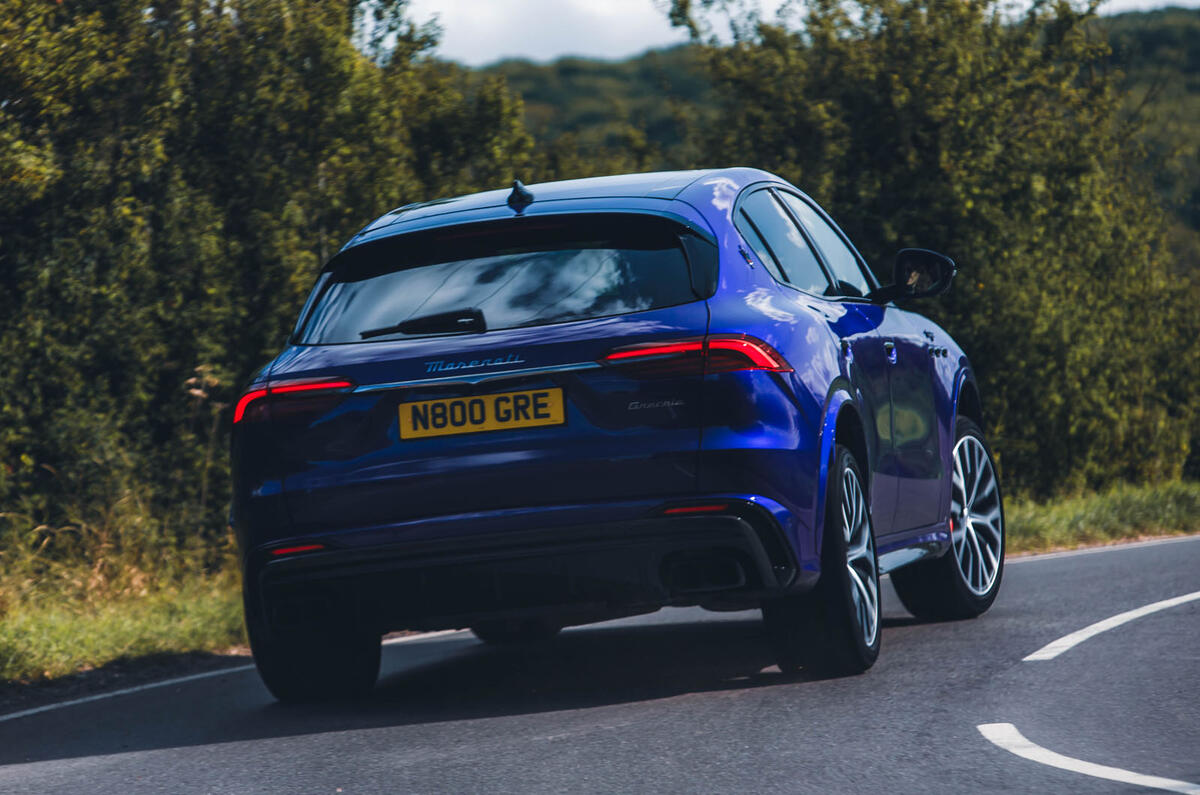
maserati grecale trofeo review 2023 003 cornering rear

Although Maserati has claimed its Nettuno V6 is “100% Maserati”, it's quite clearly related to Alfa Romeo's V6. They certainly look quite similar in the engine bay, sharing the exact same plastic cover. Part of the reason for the Nettuno’s existence is likely to be that Maserati wanted a higher-powered, dry-sumped engine for the MC20.

At 523bhp in the Trofeo, it has just 20bhp more than in the Stelvio Quadrifoglio, but it uses this to very good effect, as the Grecale shaves 0.4sec off the hot Alfa’s 0-60mph time; and, because it's not limited to 155mph like some rivals, the Grecale keeps pulling hard at those autobahn speeds. 

There were a few damp patches on the day of our testing, so although the Trofeo matched its claimed 0-62mph time of 3.8sec, it might go slightly quicker still in perfect conditions.

Then again, it might not, because the way the Trofeo leaps off the line isn’t the most graceful we have experienced. Unlike the Stelvio, it has launch control, which lets the revs build to about 3000rpm before unleashing 457lb ft of violence onto the axles. When that happens, you feel the car rear up due to the fairly soft, underdamped suspension.

‘Leaping off the line’ can at this point be taken literally, since it feels like the unloaded front wheels struggle for traction, conspiring with the suspension to cause a few disconcerting hops. 

Thereafter, it rifles through its closely stacked ratios (exactly the same ones as the Stelvio). The short gearing does wonders for making the Trofeo an engaging car on the road. In refreshing contrast to many Porsches, where reaching the top of second gear involves breaking every speed limit in the UK, you can redline the Trofeo in second and get a good way through third before breaching 60mph.

That in turn creates a reason to use those lovely metal paddles. A good dual-clutch gearbox may have marginally faster and crisper shifts but, like in BMW M cars, this ZF eight-speed is plenty quick and has the edge in smoothness and drivability, which are surely more important in what is going to be an everyday car.

You also notice the family resemblance with the Alfa V6 in the Nettuno’s character. Being very turbocharged, it needs a few revs to fill its lungs before really surging forwards – hence the slightly slower first increment for the in-gear times.

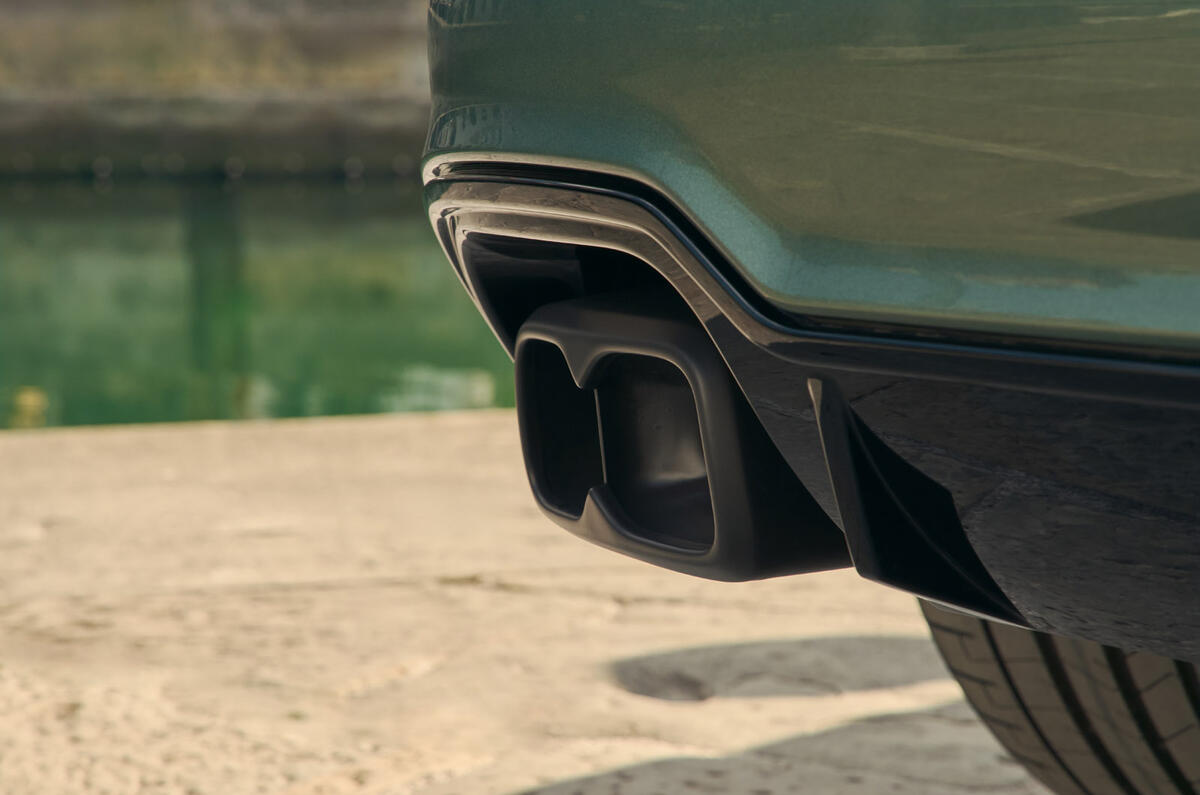
That turbocharging means the not-very-silenced exhaust is what you hear, rather than any intake noise. It’s gravelly and hoarse, smoothing out at higher revs. It’s exciting and free-revving, but hardly tuneful, as is the typical high-performance V6 way.

The new Modena V6 uses the same non-electrified Nettuno engine as the Trofeo but downtuned from a heady 523bhp to a more manageable 385bhp, with 369lb ft of torque.

That gives it a 0-62mph time of 4.9sec and a top speed of 160mph - lining it up neatly against six-cylinder alternatives like the BMW X3 M50 and Audi SQ5, even if each of those rivals cost around £10,000 less. 

The power deficit looks big on paper but doesn't translate to a comparatively sluggish experience. The Modena V6 is still an amusingly quick car, with a brilliantly responsive and charismatic engine driving through a snappy eight-speed gearbox operated by incongruously (but pleasingly) massive metal paddles.

It is slightly lamentable that the Nettuno's operatic soundtrack is so heavily exaggerated via the in-car synthesisers here - which you can tell because tunnels and canyons have little impact on the exhaust note. If you can overlook a bit of contrivance, it's still a lovely noise and doesn't sound especially fake, but it would be nice if it were a bit quieter in Normal mode.

Track Notes (Hill Route, Millbrook Proving Ground)
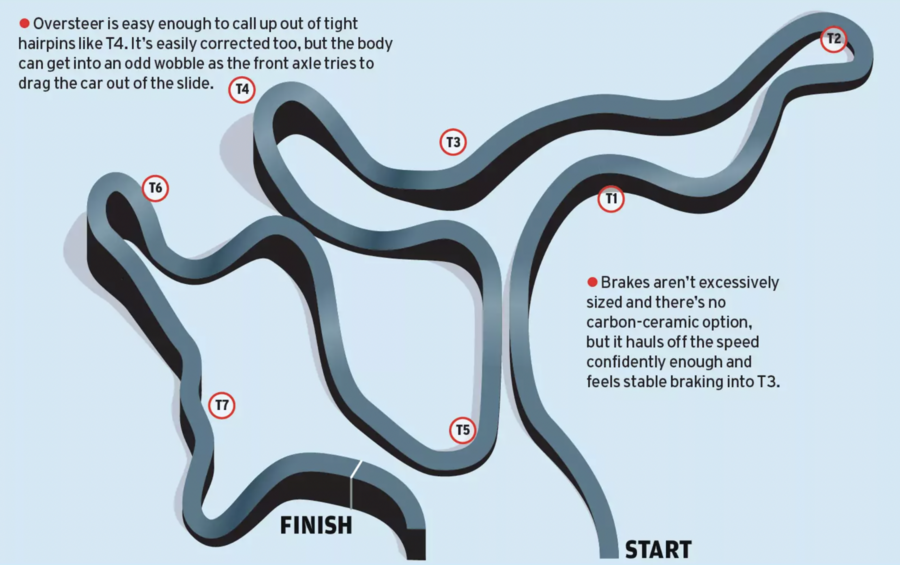
The Trofeo is obviously no track car, and that’s confirmed by the fairly soft suspension, but once you get used to managing the body roll, it acquits itself fairly well.

There's plenty of grip from the Maserati-specific Bridgestone Potenza Sport tyres and the steering has enough feedback to let you settle the car into the corners.

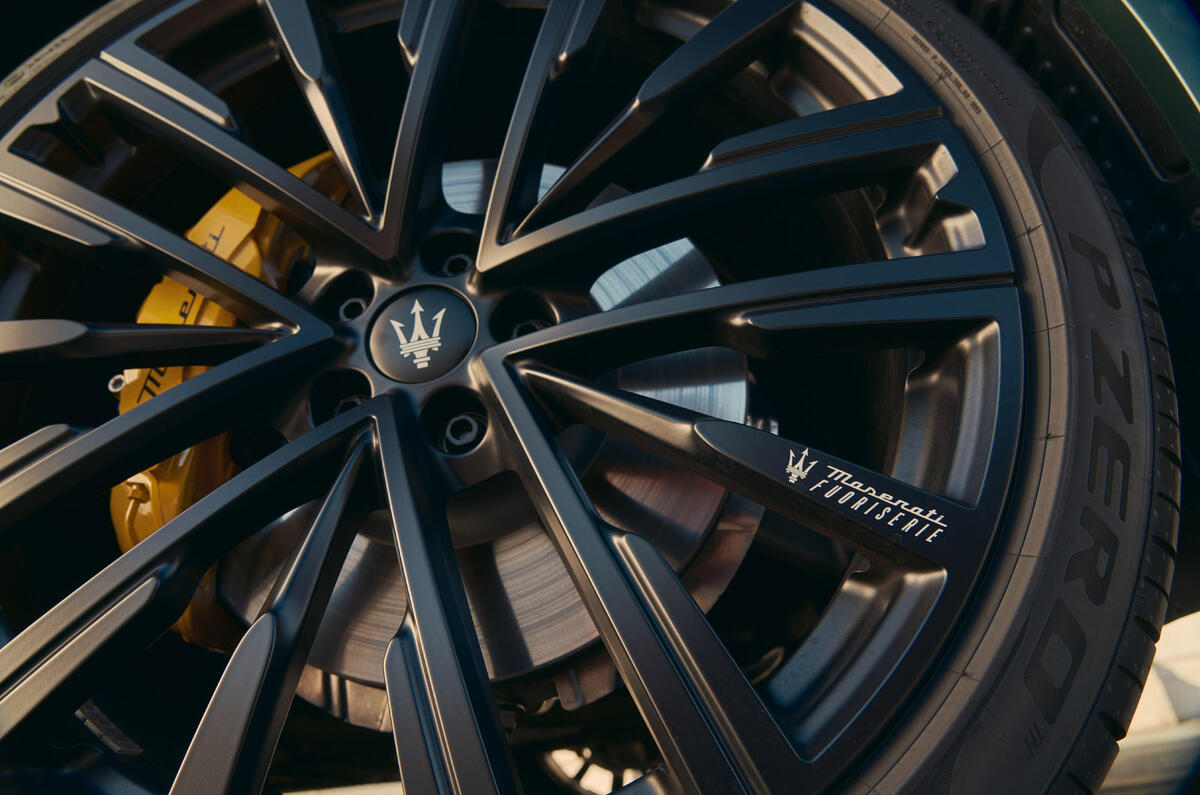
The four-wheel drive system is naturally rear-biased and the eLSD is happy to send plenty of power to the outside rear wheel and rotate the car through corners.

In Corsa mode, with the stability control switched off, it will take on a bit of oversteer angle. On a wet skid pad, it will do extended drifts with little provocation.

Where the Trofeo can come unstuck is through the Hill Route’s big compressions, where the soft suspension runs out of travel.

How hard you hit the bump stops depends on which mode you are in. In Corsa mode it’s just about manageable, but in any of the softer modes the car feels quite upset.

RIDE & HANDLING

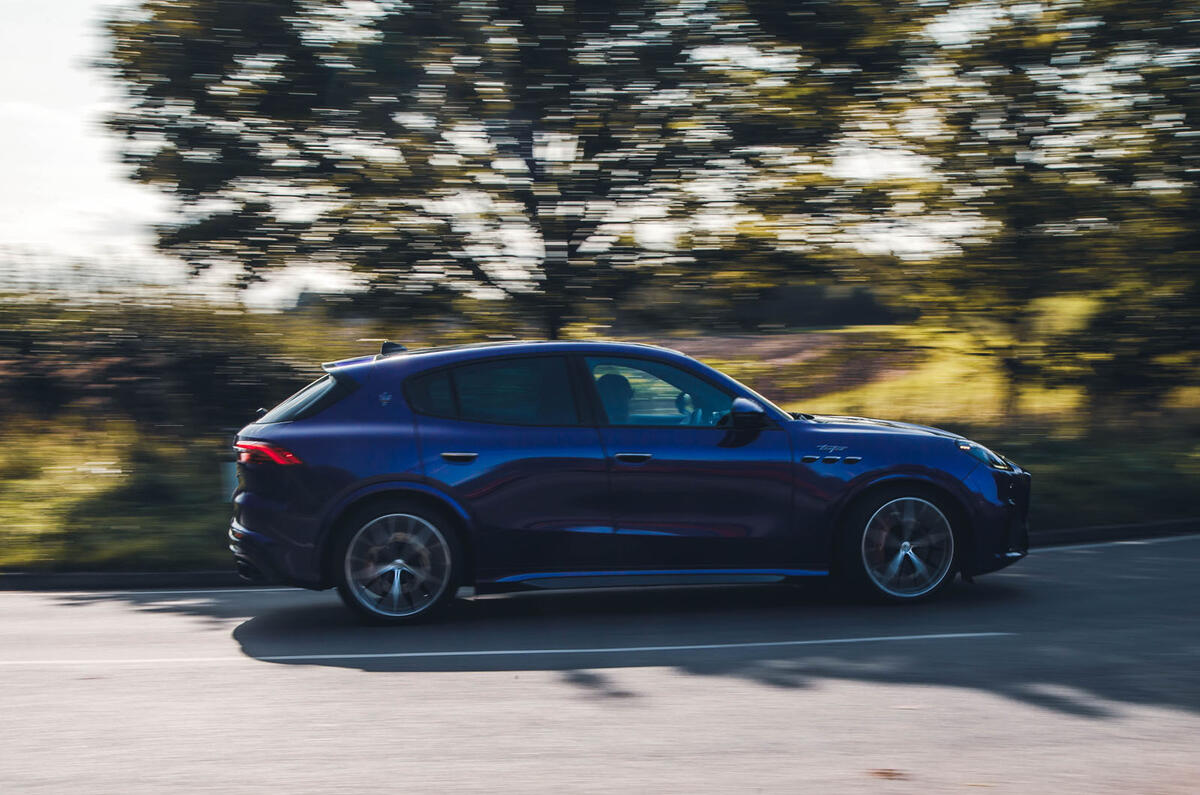
maserati grecale trofeo review 2023 002 panning side

If the twin-turbo V6 confirms your expectations of a high-performance SUV, the Trofeo’s suspension does quite the opposite.

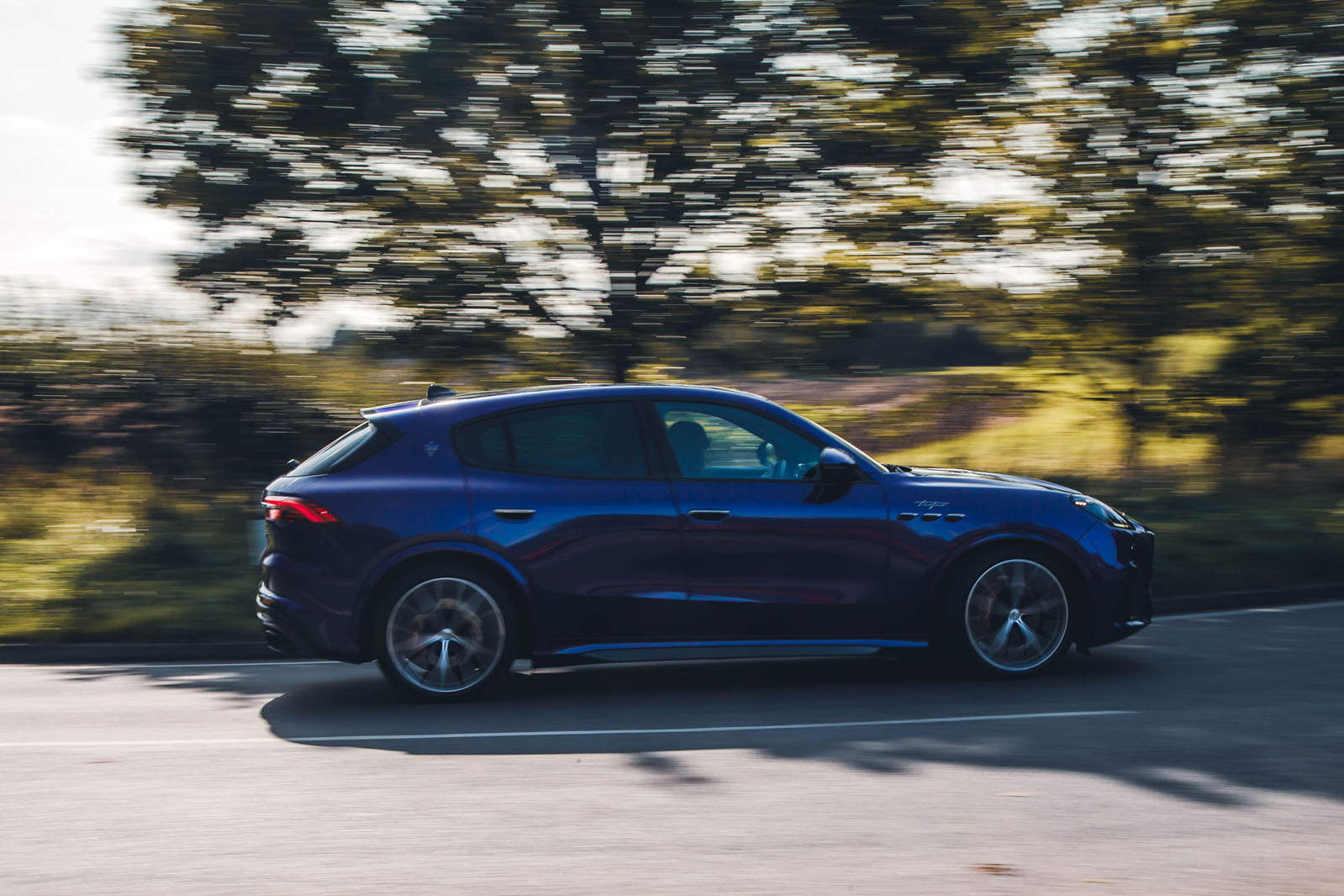
All Grecales apart from the entry-level GT ride on air suspension with adaptive dampers. That’s not unusual in this class, but where there was a resolute tautness in the ride of the Macan GTS, the Trofeo is much more relaxed.
It’s downright soft in its more comfort-oriented modes, initially making the ride feel rather plush. However, it’s not quite the wafter in disguise that makes it sound, because the suspension lacks control and consistency.

It’s slightly underdamped, introducing more body movement than is strictly necessary, and then flattens some bumps and potholes while causing head-toss over other bumps and thwacking through other potholes.

Given the difficulty of making a tall, heavy car like this ride and handle well, the Trofeo has a creditably absorptive ride for its class, but in a slightly confounding way.

You would expect the suspension to firm up and get a closer grip on body control as you progress through the drive modes on the steering wheel dial. To an extent it does, but the Trofeo never quite shakes its disconnected feeling. Like a Ferrari, every mode gets progressively more aggressive and there is no individually configurable mode, though you can soften off the dampers.
Even in Sport mode, the suspension allows a lot of initial body movement as you tip the car into a bend, and that takes quite a bit of getting used to before you gain the confidence to really push the car. Ideally, you want to be in Corsa mode for the best body control, but that also turns off the ESC, which seems unnecessary. Even then, responses are delayed and the car wants to squat and pick up the inside front wheel when powering out of a corner.

That’s a pity, because the rest of the chassis makes this an unexpectedly intuitive driver’s car. The steering is fast and light, in the Italian tradition. Some testers found it too light at low speed, but it does weight up with speed and load, letting you accurately judge grip levels. Despite the quick ratio, it also avoids feeling darty or nervous. 

The four-wheel drive system is almost comically rear-biased, with the eLSD helping to make this an amusingly expressive chassis. Even with the stability system on, the Trofeo wants to nip into corners and entertainingly pivots around you.

Like the Trofeo, the Modena V6 has rear-biased four-wheel drive, an eLSD and adaptive air suspension - something that features on the Mercedes-AMG GLC 53 but not the X3 M50.

The Trofeo's handling credentials are let down by its poor vertical control and a lack of connection between driver and road. The Modena V6 doesn't completely right those wrongs, but they do matter less in a less fiery derivative such as this.

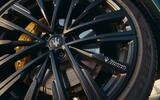
It’s still fidgety and a bit boomy over rough ground, but broadly – and even on the 21in wheels of our optioned-up test car – the Modena rides serenely at a cruise and irons out lumps and bumps impressively well.

The steering is still short on feel and there’s a fair bit of lean to contend with if you get a bit over-enthusiastic with it – which is exacerbated by the super-sharp rack.

And even with the front-to-rear torque vectoring and eLSD keeping things in check, we still managed to wash wide in some hairpins.

So the Modena V6 isn't as tied down and poised as its German adversaries but does serve the long-distance wafter role nicely.

Comfort & Isolation

The Trofeo isn't just an unusually soft-riding performance SUV but also a very quiet one (so long as the exhaust isn’t in loud mode). It generated just 66dBA at a 70mph cruise, which is less than any of the rivals we have road tested – quite a feat on sporty 295-section rubber.

You also sit in normal sports seats, rather than unyielding buckets. With electric adjustment in all the ways that matter, heating and optional ventilation, they help to make long drives painless.

When you first get in, you might notice that you sit fairly high in relation to the controls. That is something the Grecale shares with the Stelvio, but you get used to it quickly enough.

Adaptive cruise control is an option but was fitted to our test car and worked quite well, although the speed sign recognition was not to be trusted.

Curiously, the lane keeping assistance can be disabled with the press of one button and stays off on restart. We’re not sure how Maserati gets away with that, but long may it continue to do so.

VERDICT

Maserati Grecale Modena V6 review 2026 078

The Grecale in its V6 forms feels like the car Maserati should be making, potentially for credibility more than anything. An X3-sized SUV is what sells and it wouldn’t be right if Maserati didn’t put a powerful engine in it.

It fulfils its role as an indulgent, sporty flagship in some ways but not others. Maserati’s new V6 isn’t quite as characterful as the V8 in past Trofeos would have been but, compared with its peers, it has a voice and one hell of a hammer.

However, wider testing suggests the cheaper, coil-sprung version is the sharper- handling and comfortable-riding car. We would urge Maserati to take another look at its air suspension set-up, because while the Trofeo is most definitely entertaining to drive on account of its engine, steering and rear-biased four-wheel drive system, it misses a sense of connectedness that rivals can muster.

On the basis of a first drive on international soil, we would wager that the Modena V6 will indeed emerge as the sweet spot in the range.

The Grecale feels much more comfortable in its own skin here, and with the demise of its vastly more successful Porsche rival comes a chance for it to start making some real headway.

Illya Verpraet

Illya Verpraet Road Tester Autocar
Title: Road Tester

As a road tester, Illya drives everything from superminis to supercars, and writes reviews and comparison tests, while also managing the magazine’s Drives section. Much of his time is spent wrangling the data logger and wielding the tape measure to gather the data for Autocar’s in-depth instrumented road tests.

He loves cars that are fun and usable on the road – whether piston-powered or electric – or just cars that are very fit for purpose. When not in test cars, he drives an R53-generation Mini Cooper S or a 1990 BMW 325i Touring.

Felix Page

Felix Page
Title: Deputy editor

Felix is Autocar's deputy editor, responsible for leading the brand's agenda-shaping coverage across all facets of the global automotive industry - both in print and online.

He has interviewed the most powerful and widely respected people in motoring, covered the reveals and launches of today's most important cars, and broken some of the biggest automotive stories of the last few years.