

Canada, the world’s second-largest country, is a land of extremes, characterised by harsh weather, vast distances, and rugged terrain.
Here was the perfect breeding ground for the creation of tough, versatile aircraft. With quiet confidence, Canada has built some of the most remarkable aircraft in aviation history: a cutting-edge interceptor, firefighting kings, sleek business jets, rugged bush planes —even a real flying saucer. Here are 10 of its best.
10: Avro Canada VZ-9 Avrocar
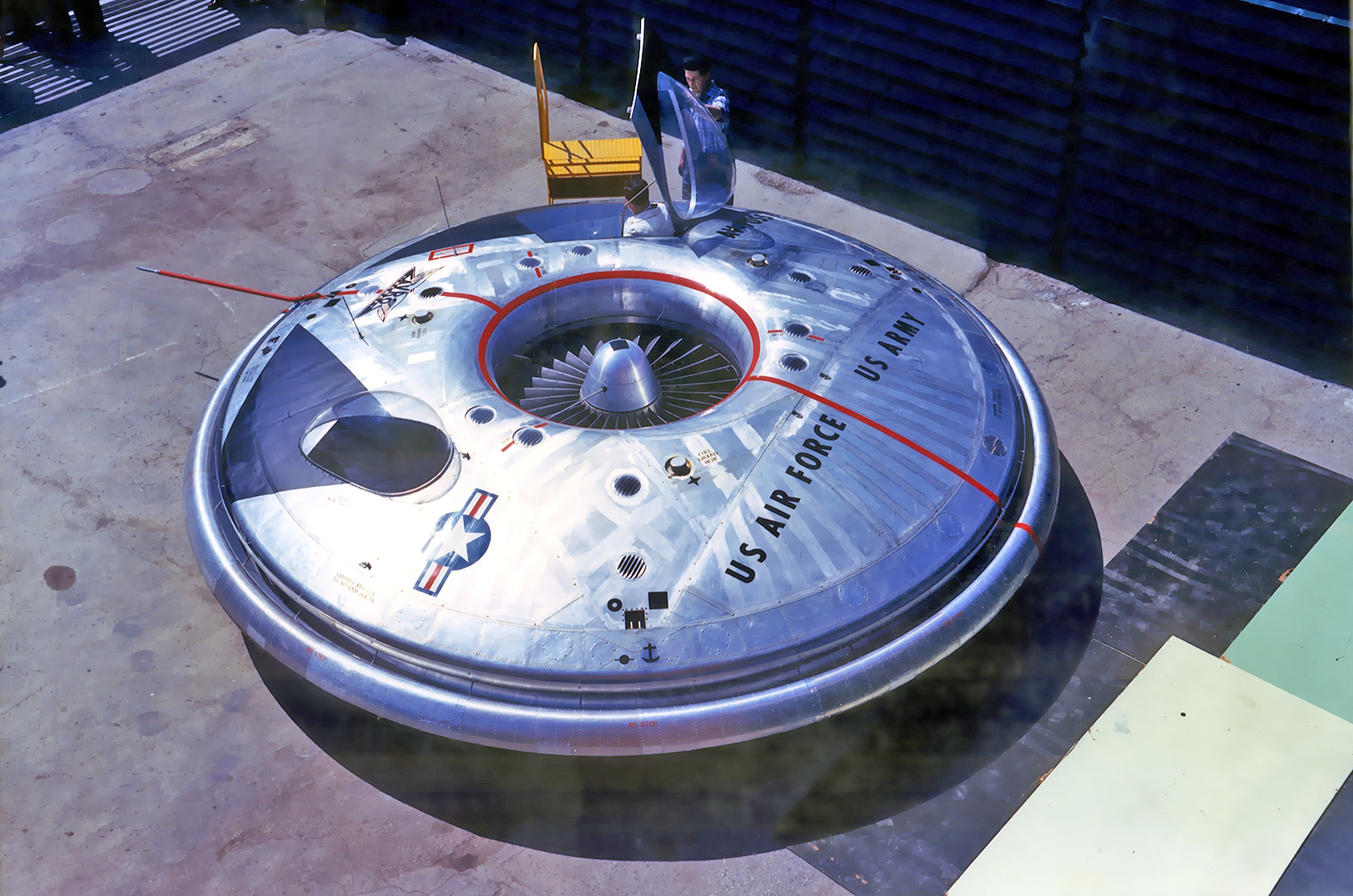
The Avrocar was beautifully bold and utterly flawed. Its flying saucer design embodied Cold War ambition, rivalled only by the equally implausible Couzinet CP-360. The idea? A supersonic, VTOL marvel. What emerged? A noisy, unstable disk that looked the part but never truly flew the part.
Backed initially by the US Air Force, the project envisioned Mach 3.5 speeds at 100,000 feet. Designed in Avro’s Special Projects Group, the Avrocar evolved into a proof-of-concept vehicle. It had to prove a new propulsion system—and also fulfil the Army’s dream of a “Flying Jeep” with range and payload far beyond requirements.
10: Avro Canada VZ-9 Avrocar
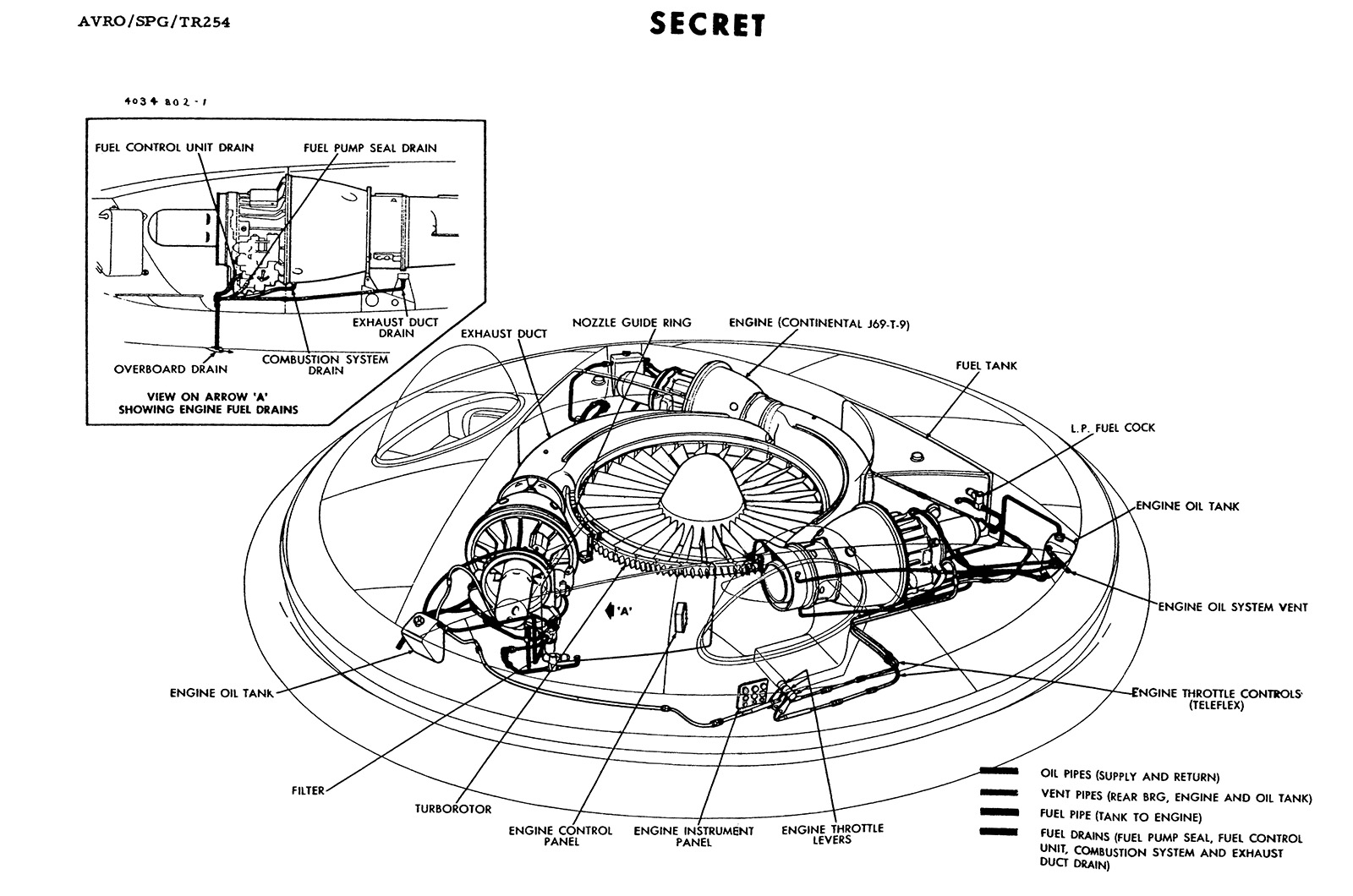
At the core was the Turborotor: three jet engines spun a 124-blade fan to push air down for lift and out for control. The radical design exploited the Coanda effect and gyroscopic forces to achieve some measure of stability. On paper, it was futuristic. In practice, not so much. “Hubcapping”—a destabilising pitch-roll wobble—plagued the craft.
Though two were built and tested, performance lagged. The Avrocar never flew free of ground effect and suffered from hot gas ingestion and inadequate control. Ironically, a rubber skirt might’ve turned it into a hovercraft, beating the SRN-1 to history’s punch. Instead, it remained a glorious failure.
9: Bombardier Challenger 600 Series
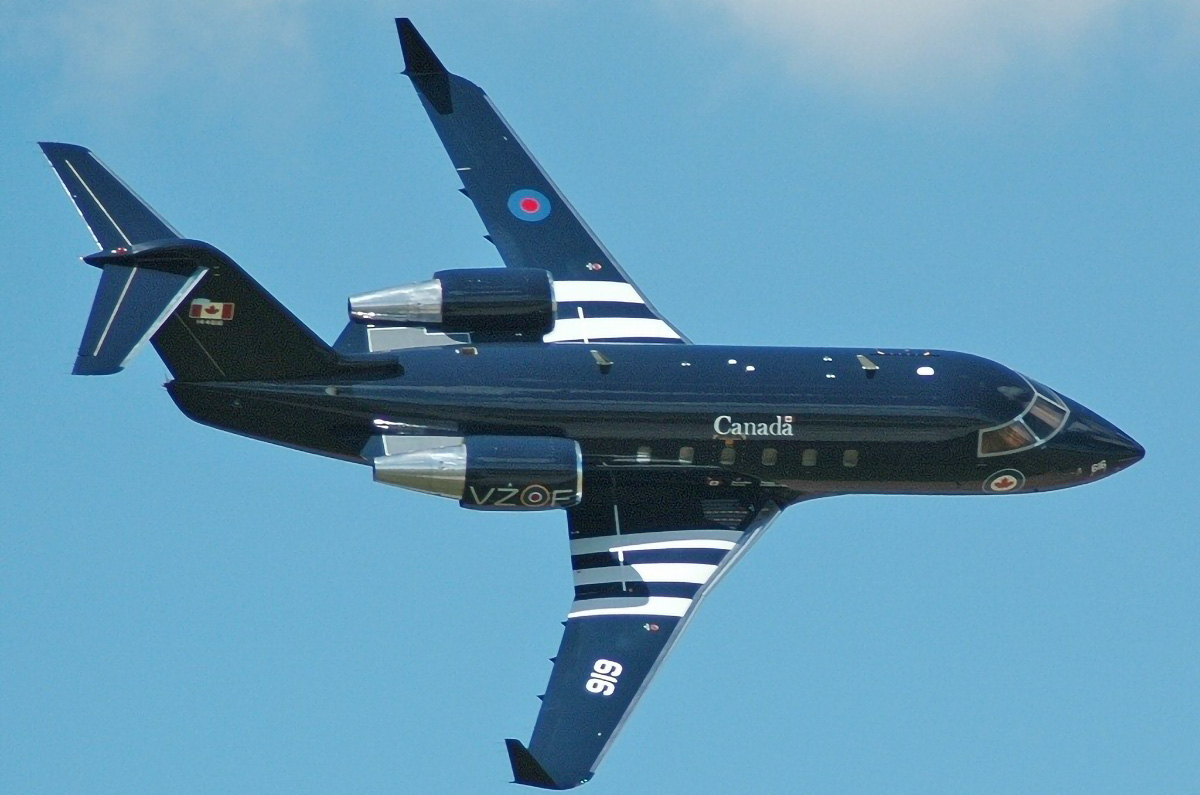
Luxury and Canada didn't often go hand in hand in aerospace. But the Challenger changed that. This sleek, wide-bodied business jet proved that Canadians could build not just tough aircraft, but beautiful ones—elegant, powerful, and capable of crossing continents with comfort and style to spare.
Developed in the late 1970s by Canadair (later Bombardier), the Challenger was a gamble. A large-cabin business jet was a new idea. Critics said it was too big, too ambitious. Then it flew—and the market responded. The jet offered range, speed, and space no rival could match at the time.
9: Bombardier Challenger 600 Series
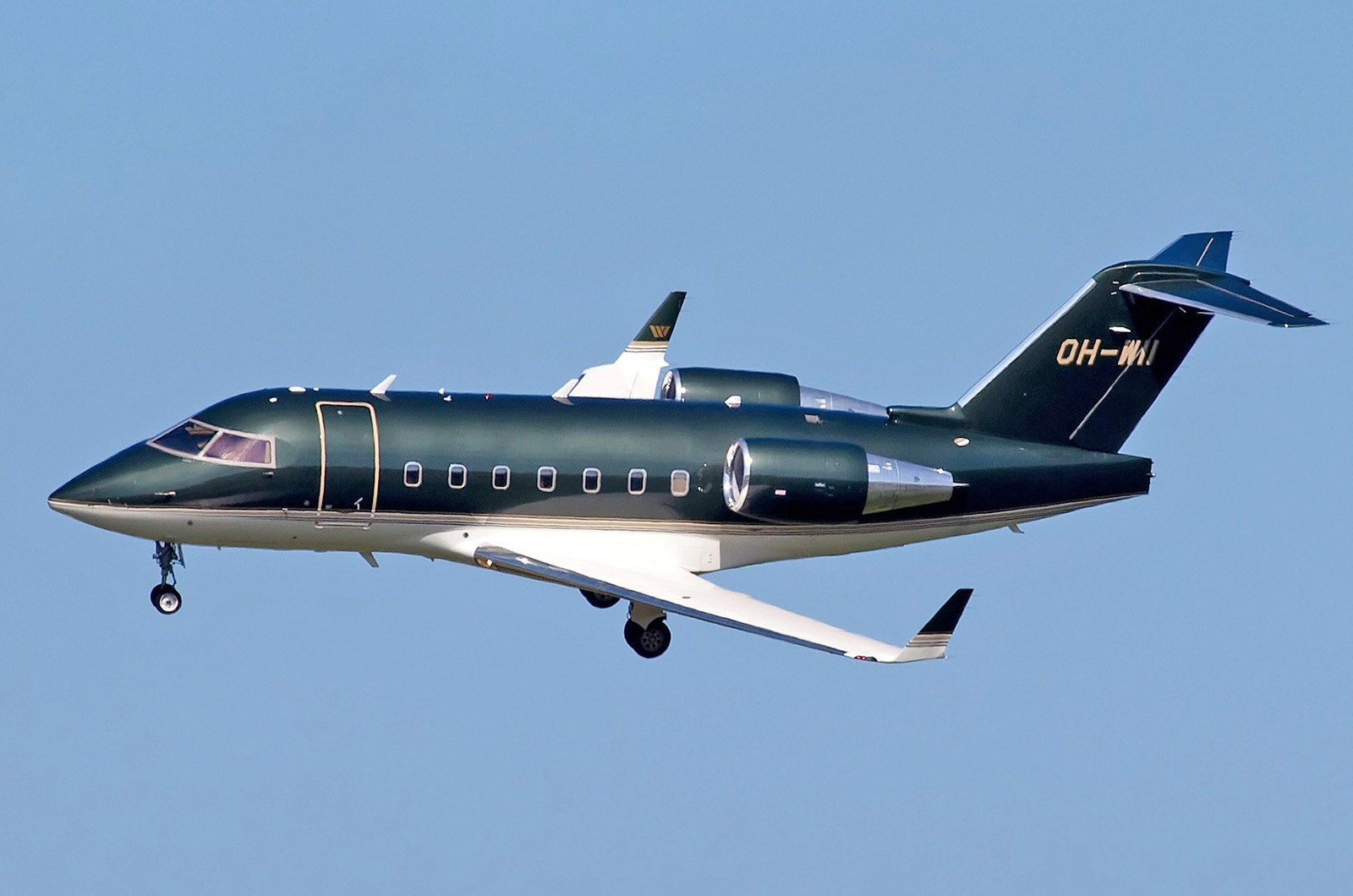
It redefined the business jet category, and more importantly, it gave Canada a global presence in the high-end aviation sector. Its platform also proved incredibly adaptable, becoming the basis for everything from medevac aircraft to maritime patrol variants, such as the CP-144 and the Global series derivatives. Fuel-efficient (it shares the same engines as the military A-10 and S-3), it serves the coast-to-coast North American role with aplomb.
Over 1066 have been built so far. From corporate fleets to government missions, the Challenger became a quiet staple of international airspace. It has class and competence. And in a field ruled by giants like Gulfstream, that was more than enough. For once, Canada didn’t follow: it led.
8: Canadair CL-215 (& 415)
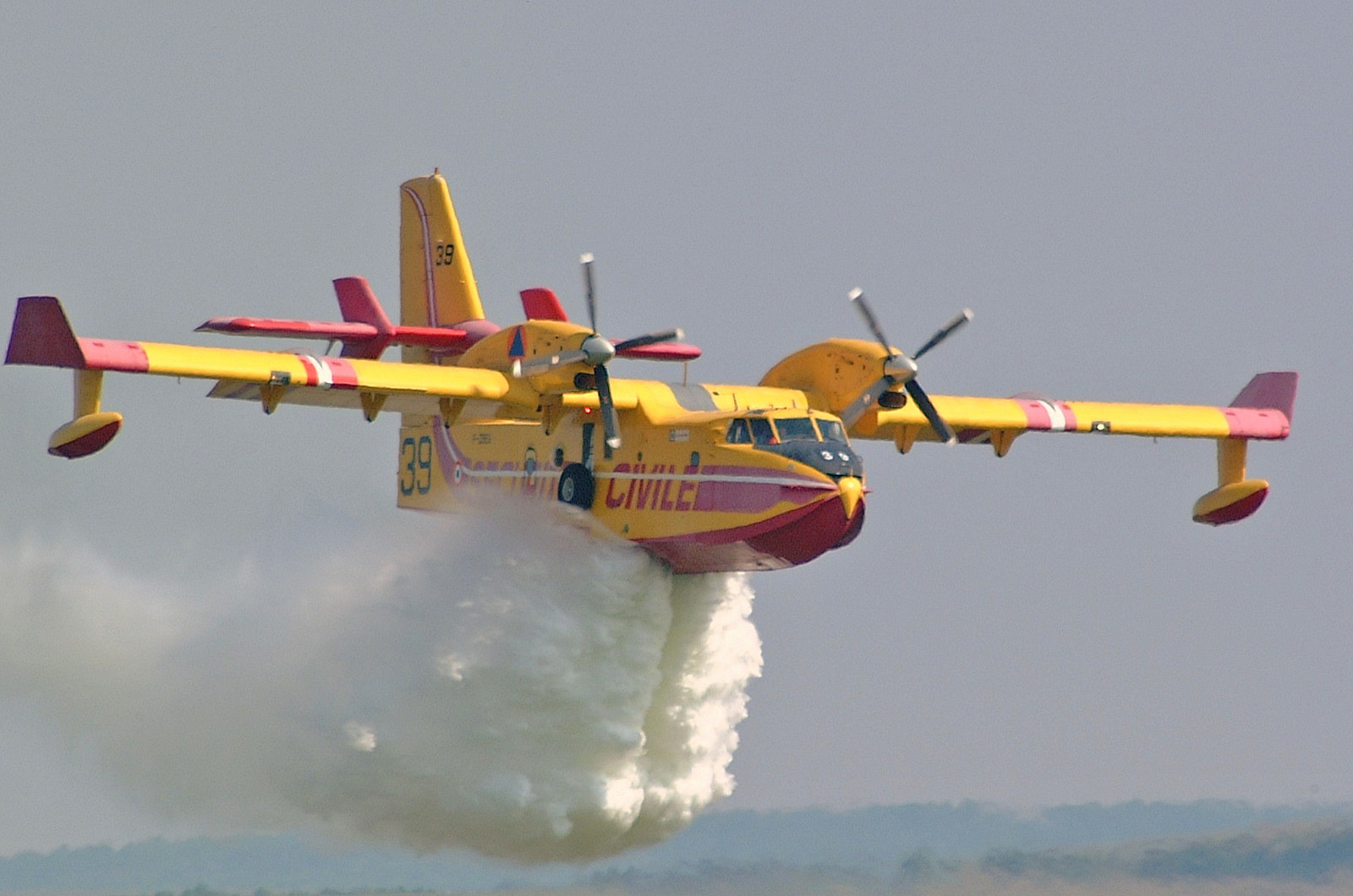
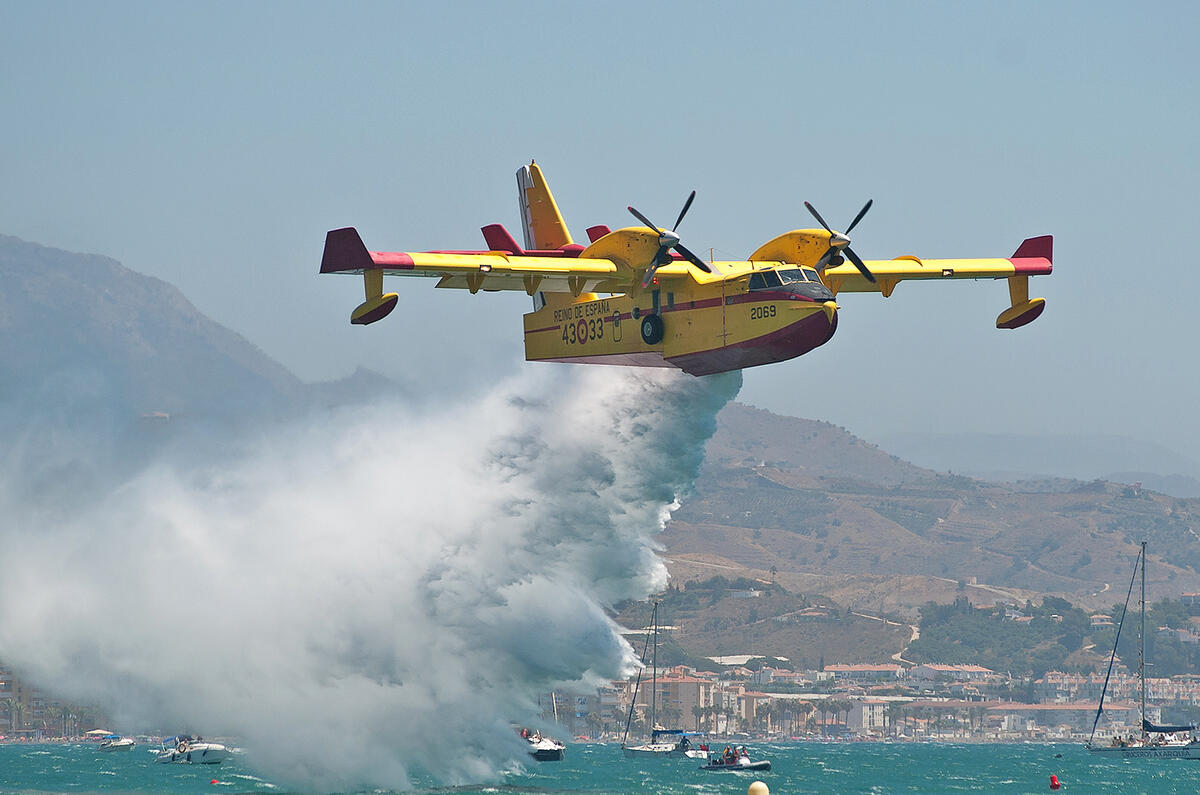
Fire has a season in Canada. And when it arrives, it doesn’t knock politely. It crashes in, roaring through forests larger than countries. That’s when the CL-215 takes flight—a rugged, purpose-built amphibian designed not for elegance but for battle. It has fought and defeated fires across the world. It, and the more modern 415 (pictured), are the kings of aerial firefighting.
Developed in the 1960s, the CL-215 was the first aircraft designed specifically for aerial firefighting. Its twin radial engines, high wings, and bulky fuselage enabled it to scoop over 5000 litres of water from lakes and drop it over blazes, repeatedly, flying low and fast to suppress dangerous wildfires.
8: Canadair CL-215 (& 415)
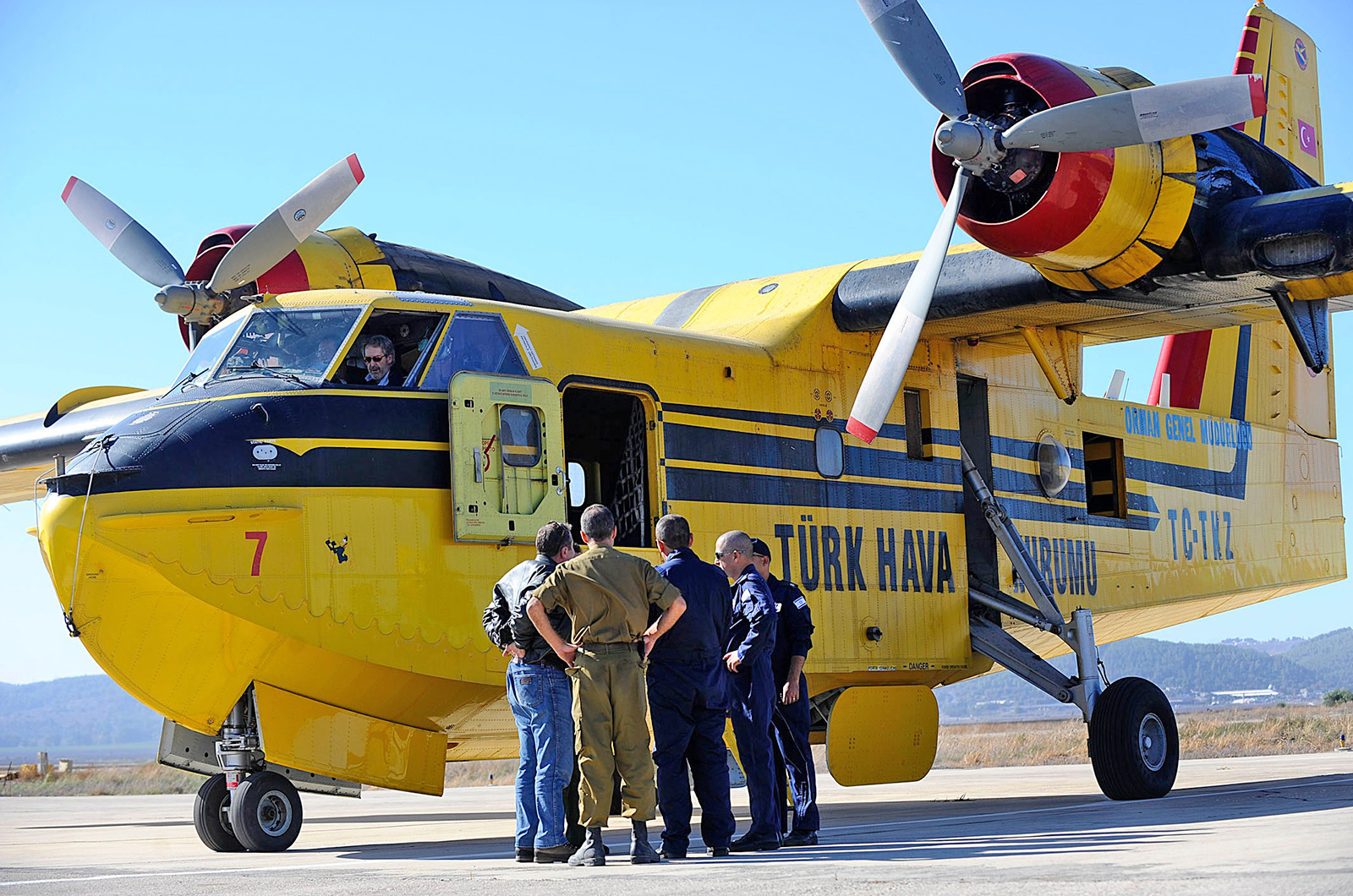
The Canadair CL-215 - and later the CL-415 - are the best aerial firefighters because they were purpose-built. These heroic flying boats are tough, reliable amphibians. The original had two R-2800 radials, the same engines used in wartime Thunderbolts and Corsairs, giving it over 4,000 horsepower. Modern variants use turboprops for even more power.
Now upgraded with close to 5000 horsepower and advanced avionics for fire detection and suppression, the CL-215 still flies in parts of Europe and Canada. It inspired the even better CL-415. A forest fire can be a calamity of vast proportions, and at the forefront of the fight against this threat are the magnificent 215 and 415. 125 examples of the 215 have been built (until 1990), together with 95 examples of the 415 (until 2015).
7: de Havilland Canada DHC-2 Beaver
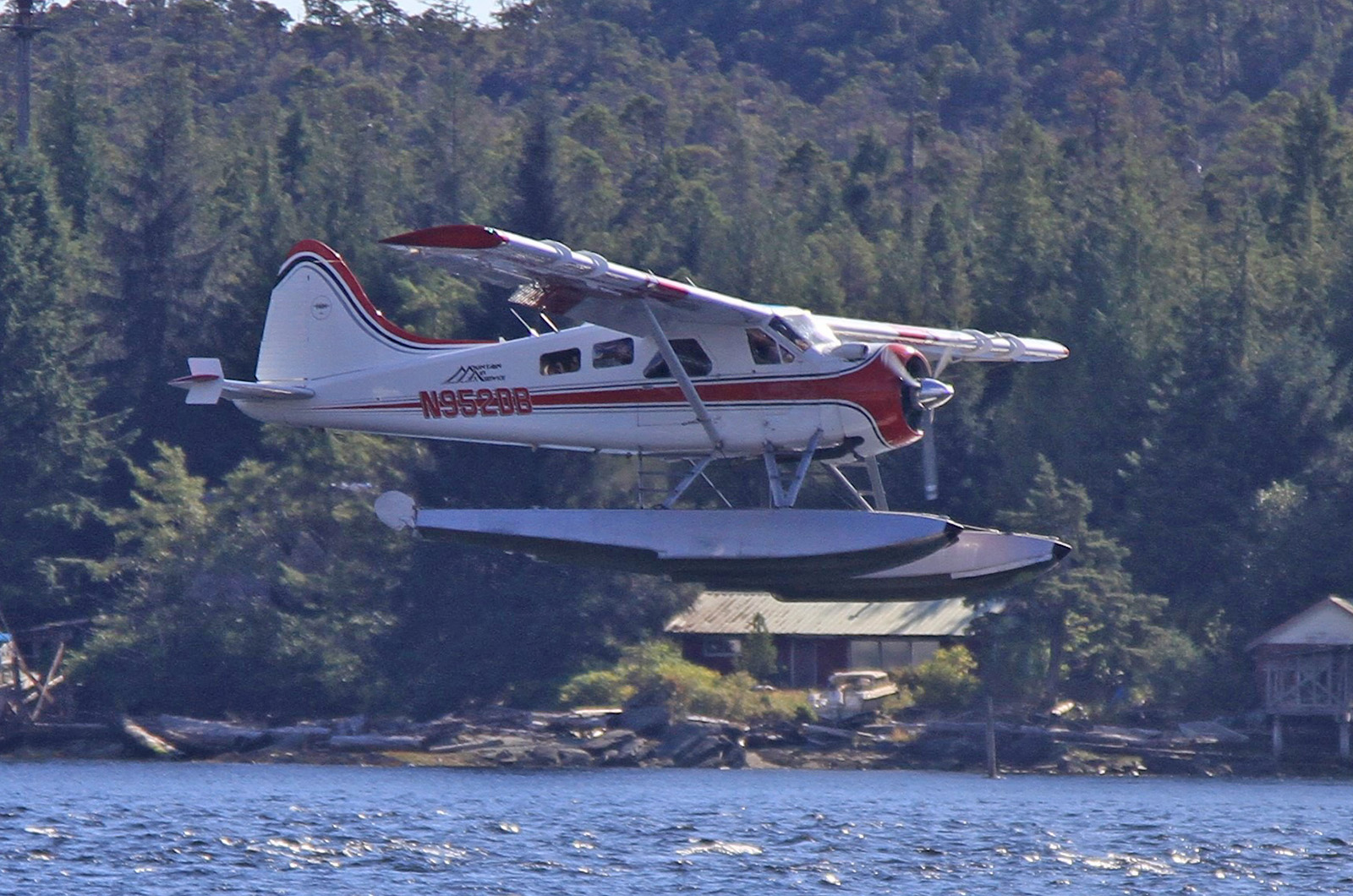
Bush planes are aircraft specifically designed and modified to operate in remote, undeveloped areas, often with limited or no traditional runways. They are known for their ability to land and take off in short distances on rough terrain. One of the greatest is the magnificent Beaver.
The de Havilland Canada DHC-2 Beaver was developed in the late 1940s to serve bush pilots operating in Canada’s remote areas. It first flew in 1947 and was designed for rugged conditions and short takeoffs. Its strong performance made it a dependable aircraft for isolated regions around the world.
7: de Havilland Canada DHC-2 Beaver
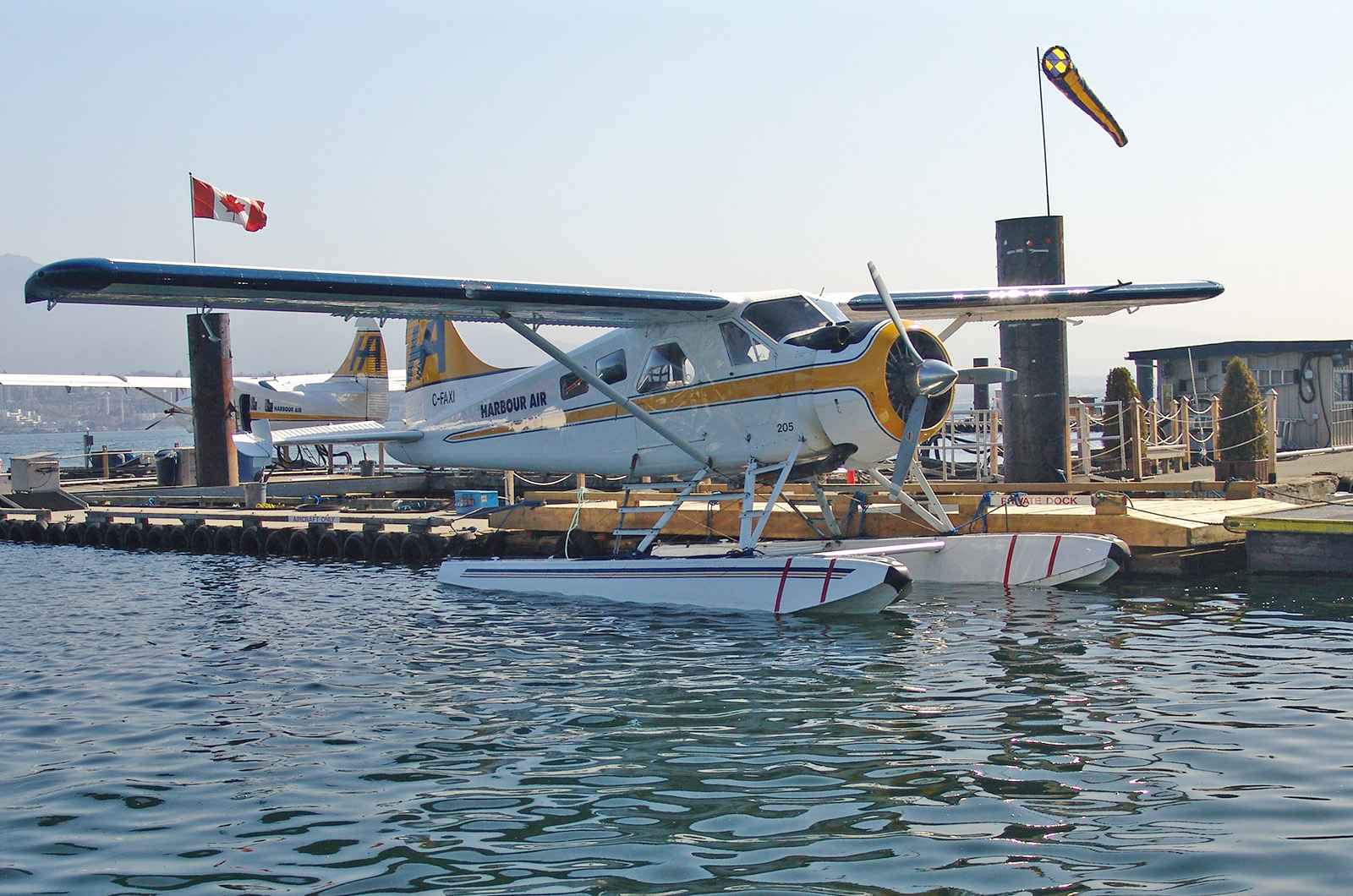
With the flexibility to switch between wheels, skis, and floats, the Beaver could access almost anywhere. It carried mail, delivered supplies, evacuated the injured, and brought vital links to isolated communities, often being the only contact they had with the outside world. The DHC-2 Beaver served in military roles worldwide, in reconnaissance, transport, and liaison duties. Its short takeoff and landing capabilities made it ideal for forward operations during the Korean and Vietnam Wars.
From the Canadian North to the jungles of Papua New Guinea, the Beaver thrived where infrastructure ran thin. Many still fly today, performing the same demanding work. It’s not sleek or fast, but it’s honest and effective. Those who’ve relied on it know: the Beaver is more than a plane - it’s a lifeline.
6: Avro Canada CF-100 Canuck
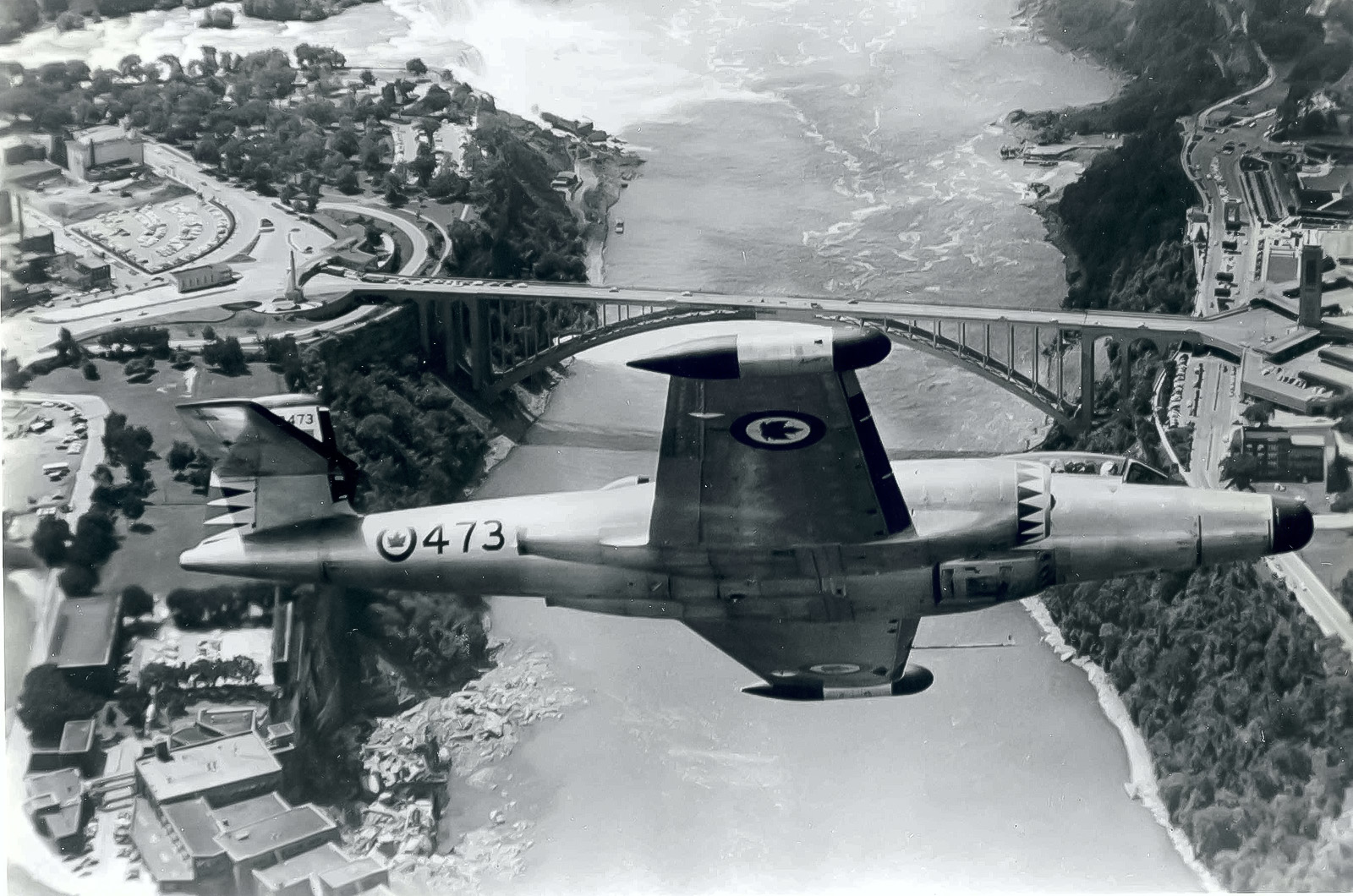
Canada was an early player in the development of jet engines. The Orenda engine was tested on a converted Avro Lancaster (the two outboard Merlin engines were replaced with the Orendas). During test flights, the Lancaster was able to easily outperform the P-47 Thunderbolts of the US Air National Guard that were sent to investigate them!
Two Orendas powered the Avro Canada CF-100 Canuck, which was a large twin-jet interceptor that first flew in 1950. It was the first indigenous Canadian turbojet fighter. It was designed specifically for all-weather operations, a necessity for defending Canadian airspace. The aircraft, which featured a very large straight wing, served with the Royal Canadian Air Force (RCAF) during the Cold War. Its main role was intercepting Soviet bombers approaching North America over the Arctic.
6: Avro Canada CF-100 Canuck
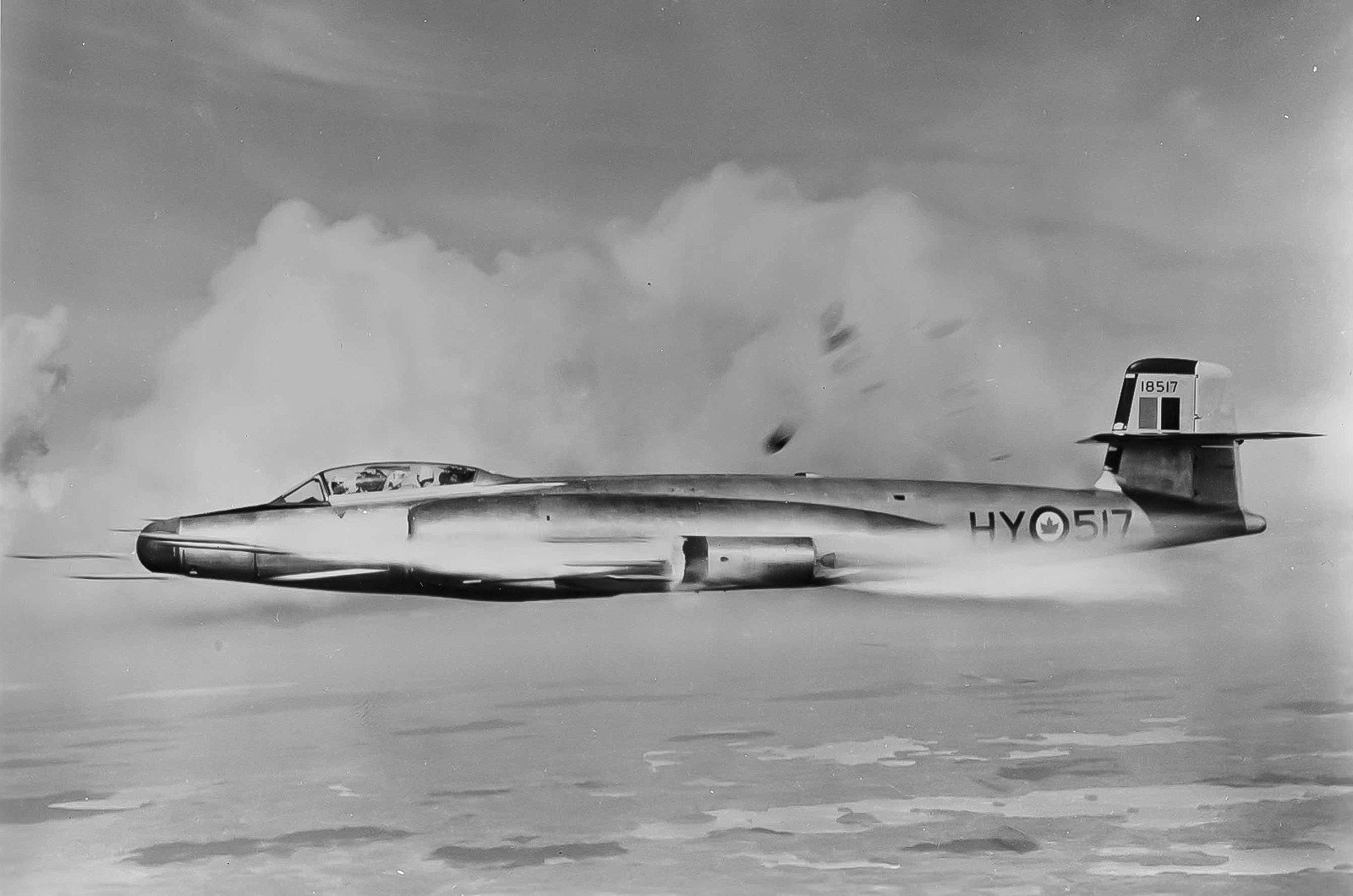
Introduced in 1953, the CF-100 remained in service until 1981, making it one of the longest-serving Canadian fighter aircraft. While it never saw combat, it was a cornerstone of NORAD's air defence strategy. The aircraft was also used for training and testing electronic warfare systems, further extending its usefulness beyond its initial interceptor duties.
The CF-100 was the only Canadian-designed fighter to enter mass production. It helped establish Avro Canada as a major aerospace player and laid the groundwork for future projects like the Avro Arrow. Several CF-100s are preserved in museums, symbolising a proud chapter in Canada’s aviation history.
5: Avro Canada CF-105 Arrow
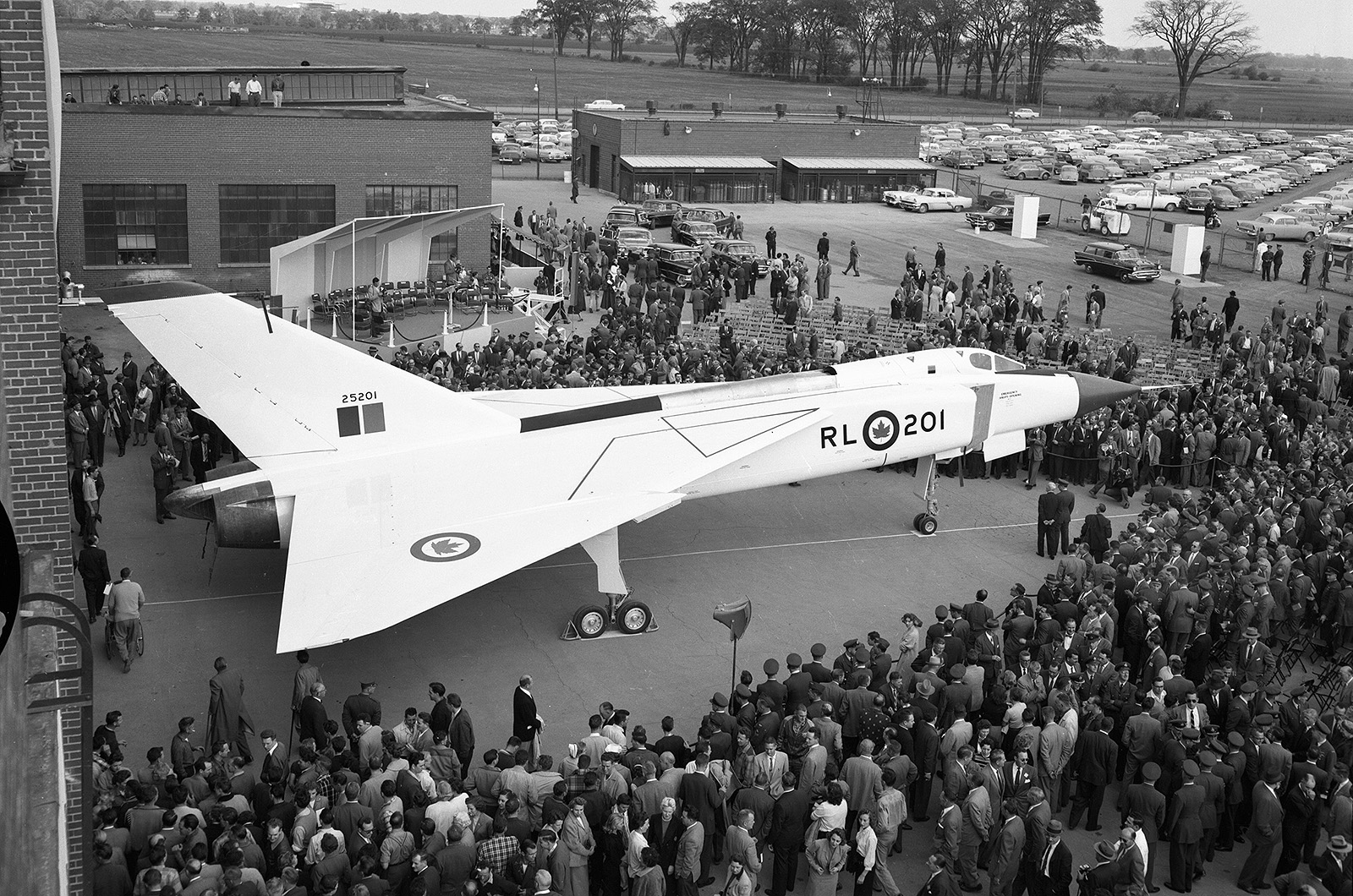
For many British aviation enthusiasts, the BAC TSR.2, a cancelled bomber of the 1960s, is a bitter symbol of what could have been. For Canadians, the equivalent is the Avro Canada CF-105 Arrow. The Arrow was a huge, high-performance fighter interceptor that first flew in 1958.
The CF-105 needed to be big to have the range, performance and firepower to defend the vast landmass of Canada against the threat of Soviet nuclear bombers. With a maximum weight of 70,000 lbs (31,818kg) (around the same as a fully loaded Lancaster) and sixteen feet longer than even the later F-15 Eagle, the Arrow was a titan.
5: Avro Canada CF-105 Arrow
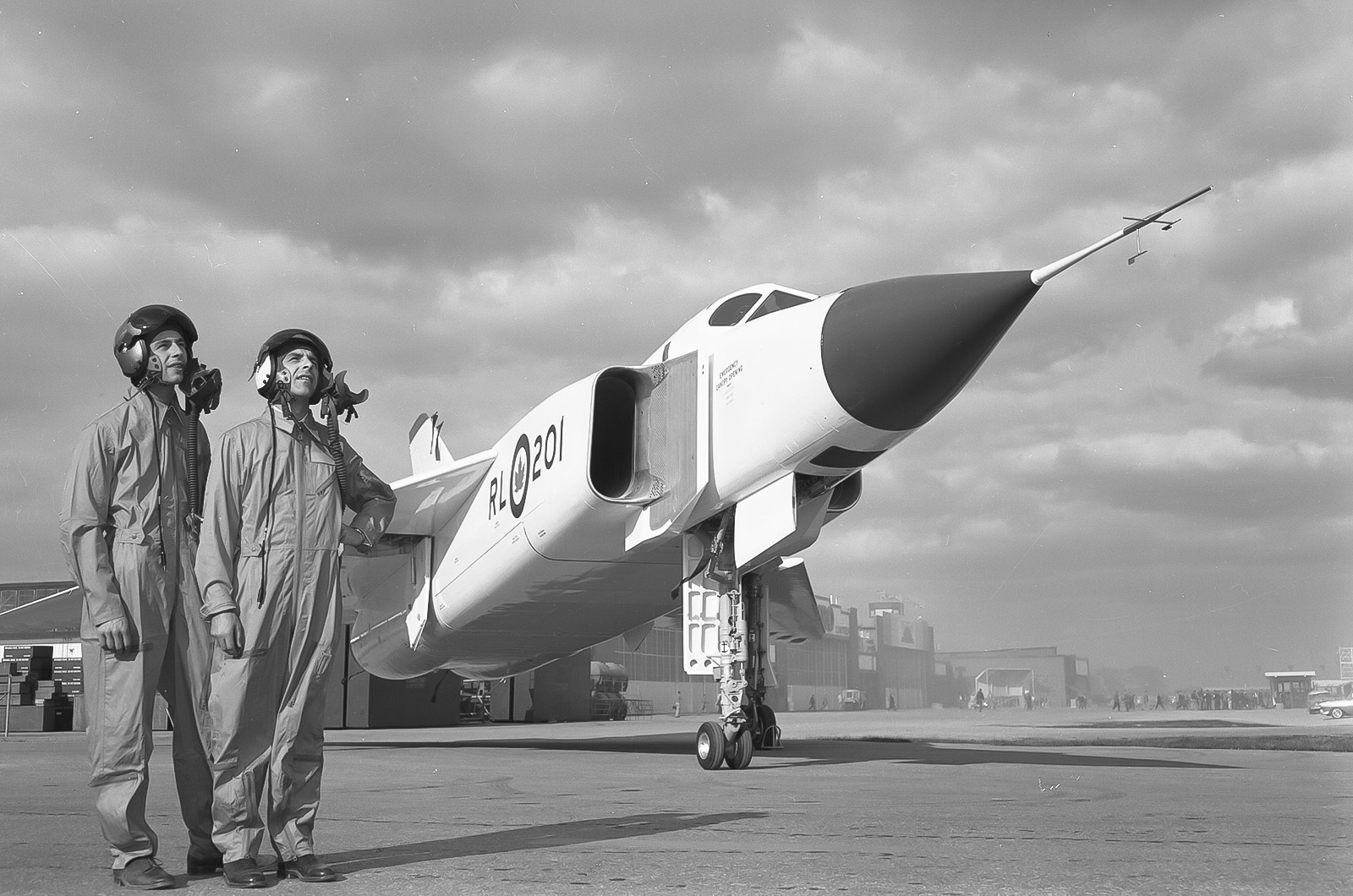
Packed with brilliant Canadian engineering and advanced systems, the Arrow grew increasingly ambitious throughout its development. The required top speed went up and up, the size of the radar increased, and the project grew ever more costly. The project was cancelled on February 20, 1959.
The Arrow logged 70 flight hours, soaring to 42,000 feet and hitting Mach 1.95. Yet, Canada controversially shelved it, opting instead for the American CF-101 Voodoo and Bomarc missile—choices that sparked intense debate over the nation's air defence direction and reliance on foreign technology.
4: Avro Canada C-102 Jetliner
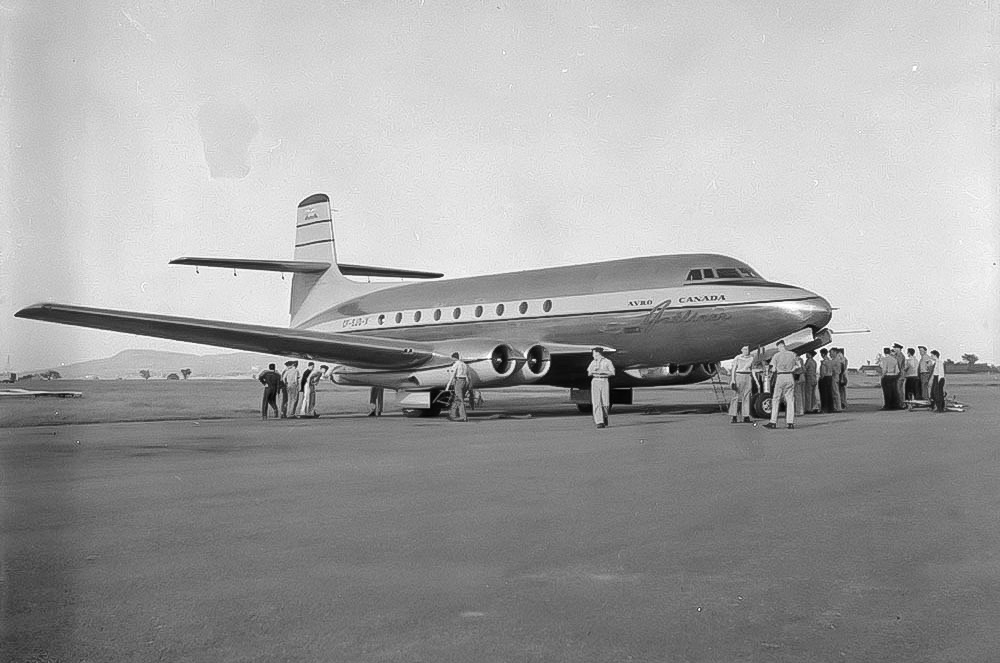
The C-102 Jetliner, developed by Avro Canada in the late 1940s, was North America's first jet-powered passenger aircraft. Completed before the British de Havilland Comet entered service, the C-102 demonstrated that Canada could compete at the forefront of aerospace innovation. It marked a bold step in civilian jet aviation development.
Engineered with exceptional attention to aerodynamic efficiency, the C-102 featured advanced pressurisation, sleek design, and innovative systems. Its performance in test flights proved remarkable, outpacing many contemporary aircraft in speed and altitude. Engineers at Avro worked with limited resources yet created a technically superior machine for its time.
4: Avro Canada C-102 Jetliner
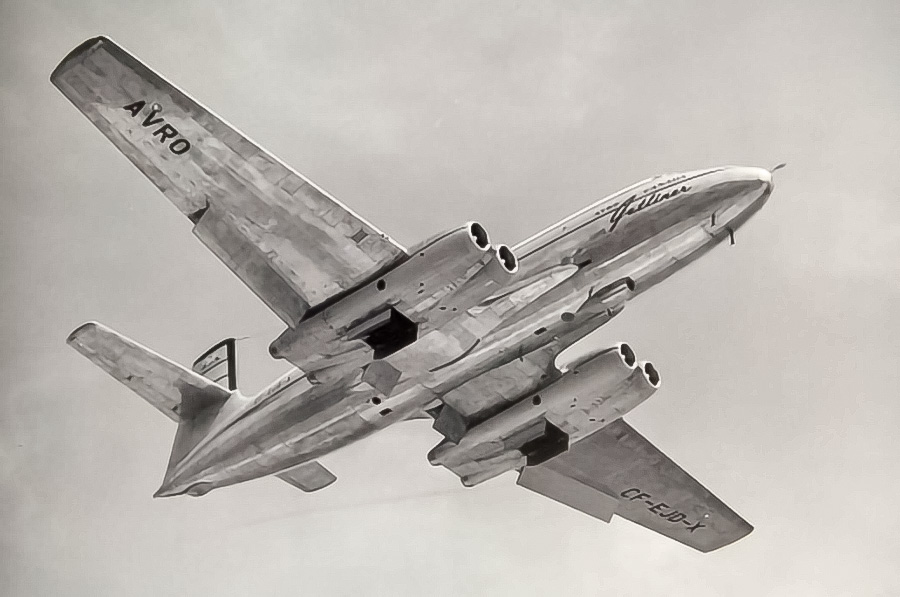
What made the Jetliner so significant wasn’t just its timing or technology—it was the ambition behind it. Canada, still building its industrial identity, dared to challenge larger aerospace powers. The project showed what Canada could achieve when given support and creative freedom in the high-technology sector.
Despite its cancellation, the C-102’s influence endured. It shaped future Canadian aerospace projects and left a legacy in jet transport evolution. The aircraft also inspired a generation of engineers and designers, proving that world-class aviation engineering was possible outside the traditional centres of aircraft production. The Jetliner was proof of concept, not failure. In short, the C-102 was a technical success but fell victim to political decisions, market hesitancy, and defence priorities, not because it failed to perform.
3: Canadair Sabre
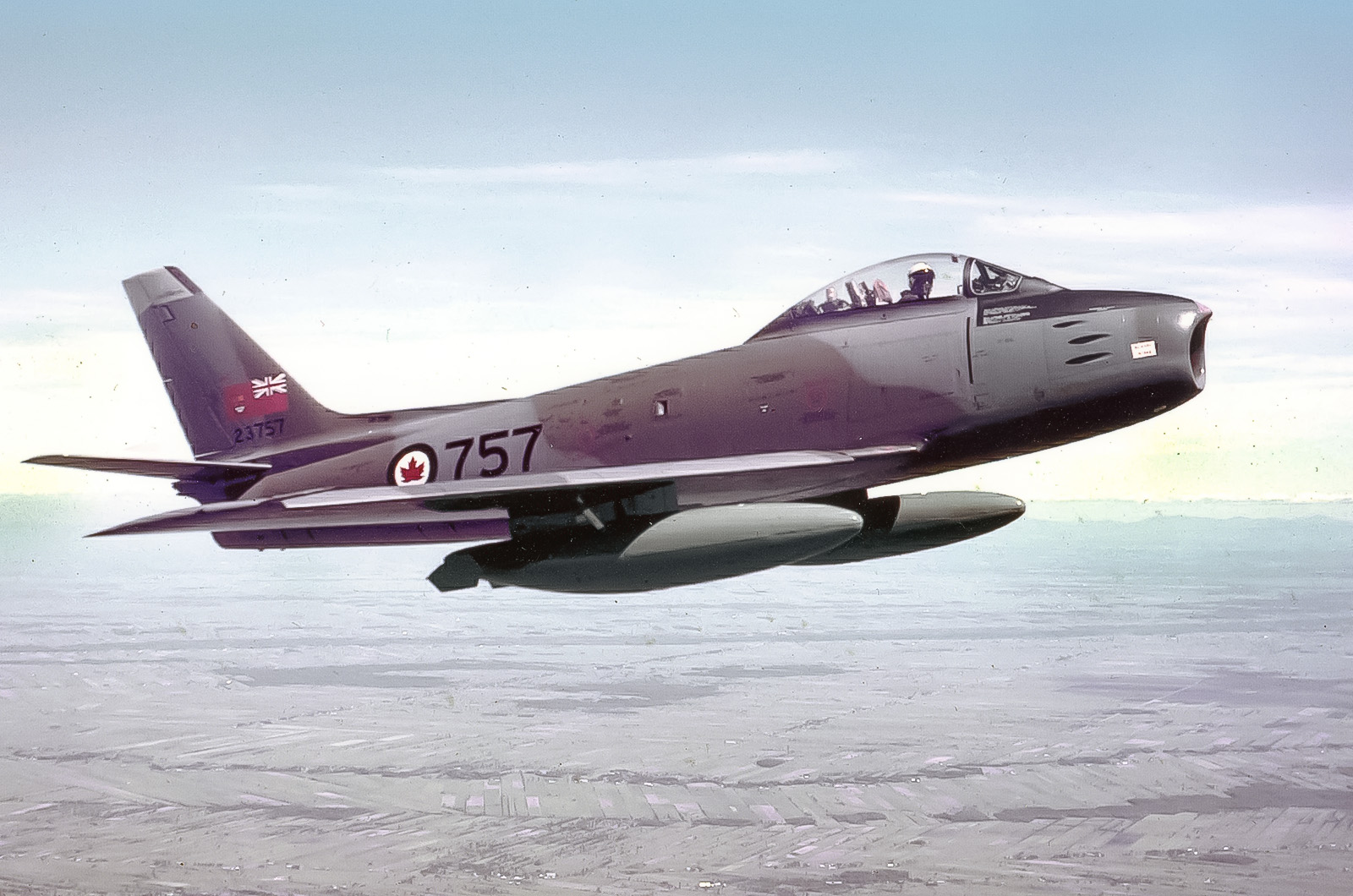
It didn’t start Canadian, but the Canadair Sabre became something more in Canadian hands - a Cold War thoroughbred refined, perfected, and flown by some of the best pilots in NATO. Built under license from North American Aviation, it didn’t just match the original F-86—it often outperformed it. That’s no small feat.
Canadair didn’t just copy the already world-beating Sabre; it improved it. With upgraded Orenda jet engines and precise manufacturing, Canadian-built Sabres earned a reputation for exceptional speed (snatching the women’s airspeed record), climb rate, and agility. In dogfights and exercises, they routinely outclassed their peers. This wasn’t just assembly—it was evolution. A reimagined machine under a northern flag.
3: Canadair Sabre
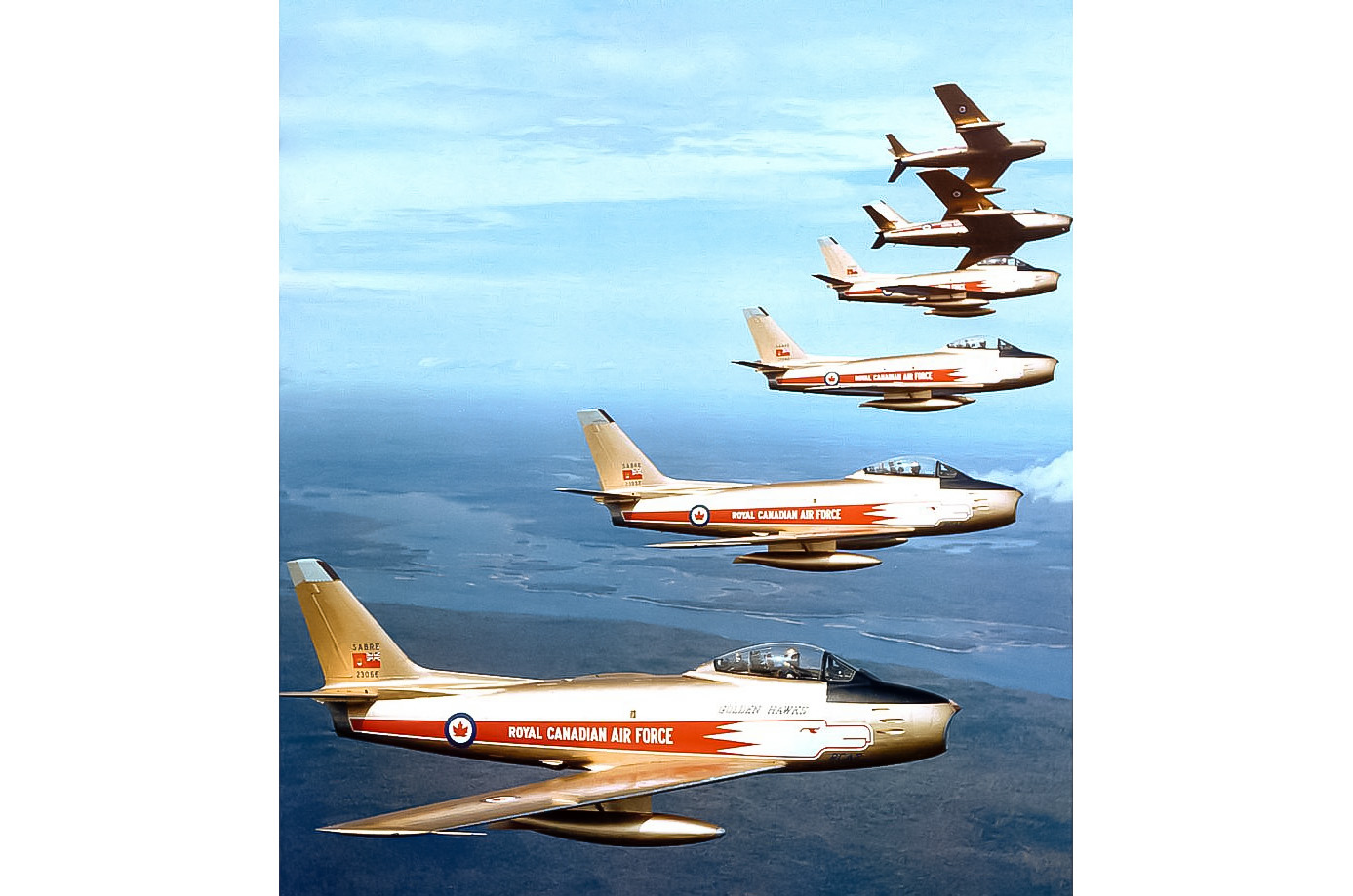
The Canadair Sabre, built under license, evolved the design with significant improvements - most notably, the Canadian-designed Orenda engines, which offered more thrust and better high-altitude performance for later mark Canadian Sabres. Whereas the first Canadair Sabre had 5,200 lbf of thrust from its GE J47-GE-13 engine. The Mk 6 had a massive 7,275 lbf from its Orenda 14. It wasn’t just a copy—it became one of the best versions of the Sabre.
The Australian Avon Sabres may have had more thrust and firepower, but the lighter Canadian aircraft had a better power-to-weight ratio and may well have been the best Sabre at dogfighting. Though it never saw combat in Canadian service, many were exported. Pakistani pilots flew them with distinction during the 1965 and 1971 Indo-Pakistani wars, scoring numerous air-to-air victories. Their agility and speed made them formidable, proving the Canadair-built variant’s lethal capability in real-world dogfights.
2: de Havilland Canada DHC-1 Chipmunk
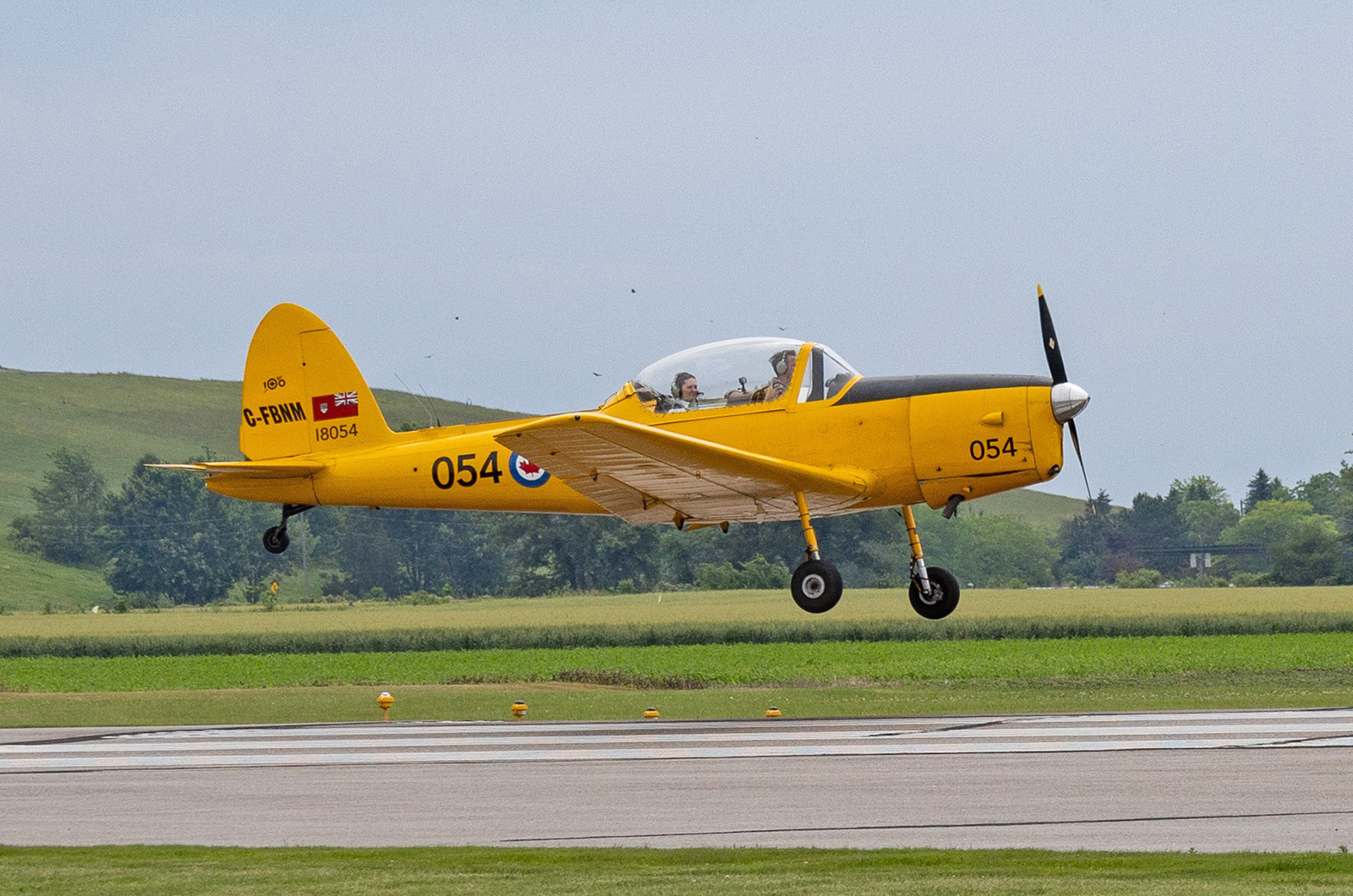
The de Havilland Canada DHC-1 Chipmunk marked a key advancement in Canadian aerospace, evolving beyond a trainer to symbolise postwar aviation growth. After the second world war, it merged wartime tech with indigenous design, replacing the Tiger Moth. This shift highlighted Canada’s growing skill in aeronautical manufacturing and its goal to lead globally.
Built with a sturdy frame of Canadian steel and aluminium, the Chipmunk trained thousands of Commonwealth pilots as their first powered flight experience. Its low-wing design and 145 hp Gipsy Major engine ensured responsive, stable performance. With forgiving stall behaviour and precise controls, it proved to be a reliable and effective training platform across varied conditions.
2: de Havilland Canada DHC-1 Chipmunk
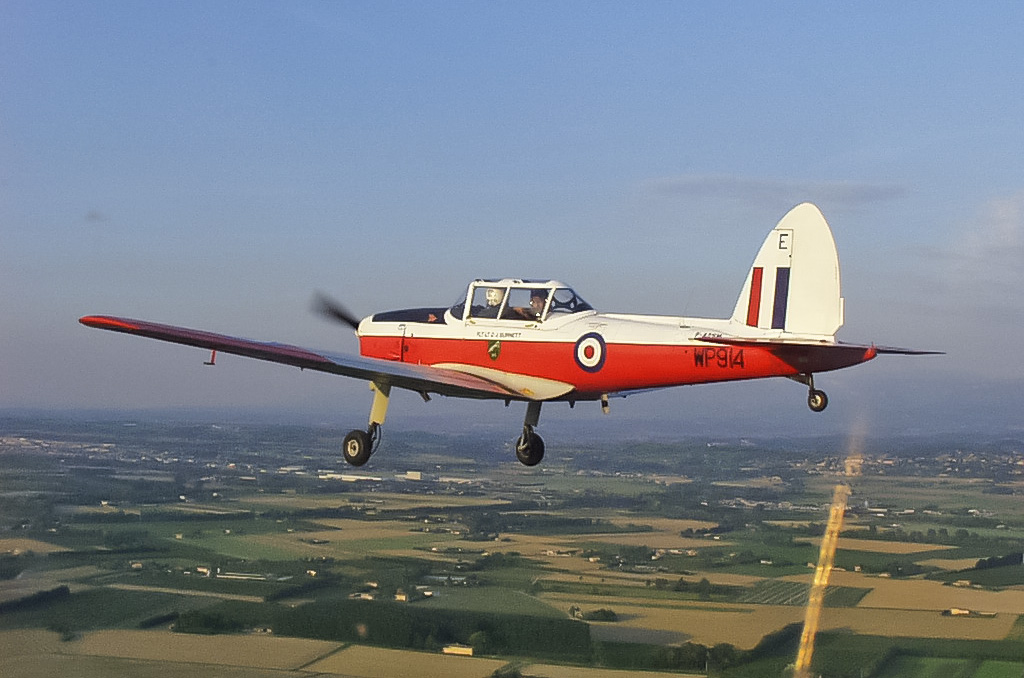
The DHC-1 met strict metallurgical and aerodynamic standards, showcasing Canada's progress in materials science. Outperforming earlier models, it set a new standard for local design. Produced from 1951 to 1956 with 1282 units, it moved Canada from assembling foreign aircraft to crafting innovative, export-ready planes.
Its influence shaped the design of later Canadian aircraft, impacting structure and performance. This aircraft stands as a testament to engineering excellence, durability, and national innovation in Canada’s aerospace legacy. Still active in civilian aviation, it’s one of the most beloved aircraft by those lucky enough to have flown it.
1: de Havilland Canada DHC-6 Twin Otter
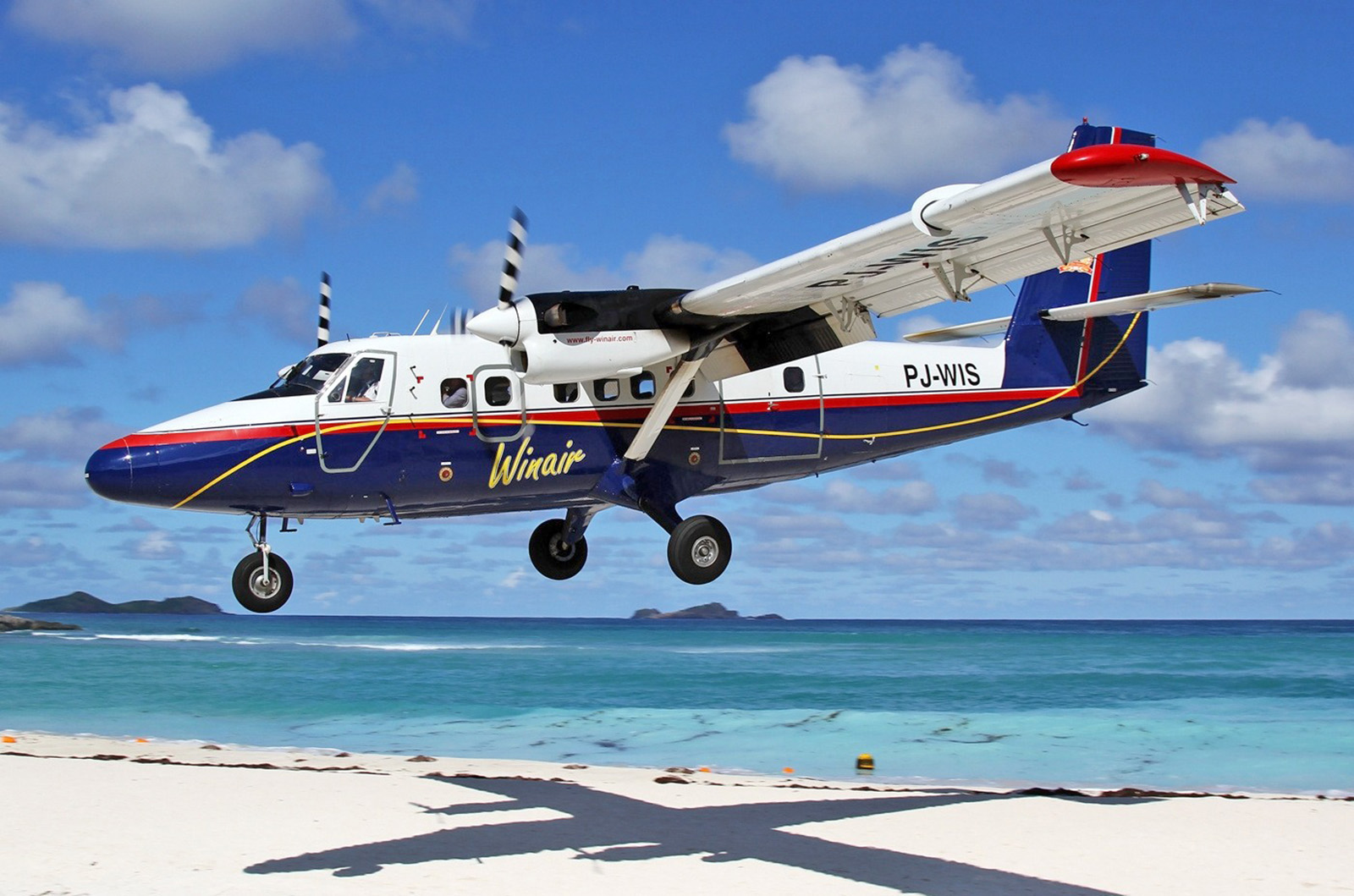
The de Havilland Canada DHC-6 Twin Otter - affectionately the “Twotter” - is a legend of rugged reliability. Born for the wild, it’s the aircraft that laughs at rough terrain, short runways, and extreme weather. From Arctic ice to jungle strips, the Twin Otter just goes - no complaints, no fuss, just unstoppable Canadian grit.
Its secret? Simplicity with strength. Twin engines, fixed gear, STOL (short takeoff and landing) capability—it’s a workhorse designed to reach places most planes can’t dream of. Whether dropping supplies, ferrying scientists, or carrying passengers to remote islands, the ‘Twotter’ thrives where others fail. It’s aviation’s ultimate ‘Swiss army knife’.
1: de Havilland Canada DHC-6 Twin Otter
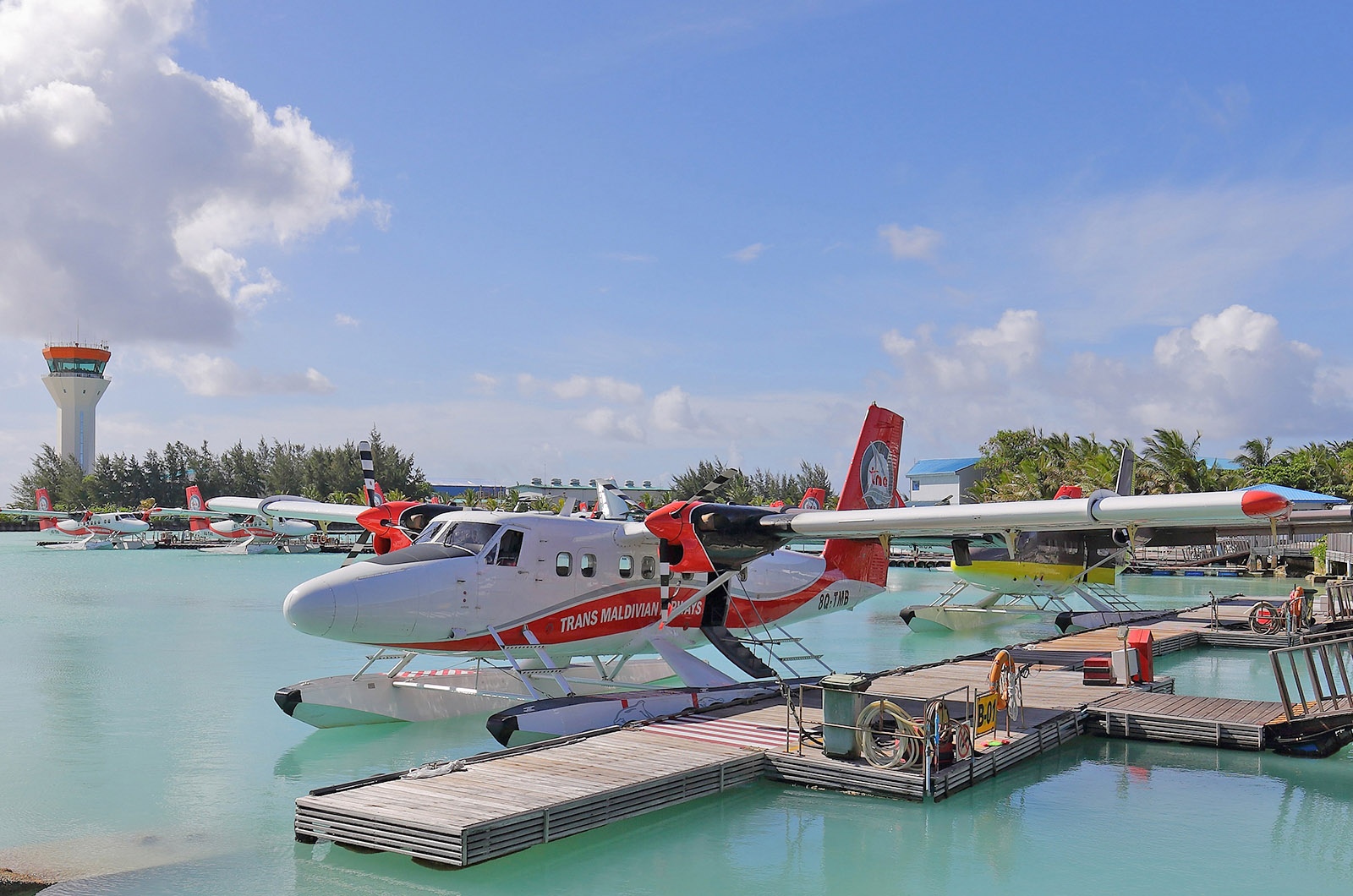
The Twin Otter isn’t fading - it’s rising. From firefighting to Antarctic research, it remains the go-to aircraft for missions that matter. The Twotter isn't just brilliant because it can do it all - it's brilliant because it does it all, every day, with Canadian-born guts and grace. It was originally manufactured by de Havilland Canada, but production ceased in 1988.
In 2007, Viking Air acquired the type certificates and restarted production of the updated DHC-6 Series 400 model in 2010. As of 2025, De Havilland Aircraft of Canada Ltd, which acquired Viking Air, continues to produce the aircraft. The modern version, the Twin Otter Series 400, features updated avionics, new engines, and improved systems while retaining the aircraft’s renowned STOL performance and rugged reliability. 994 examples have been produced in total.
Follow Joe Coles on Substack, Twitter X or Blue Sky. His superb Hush-Kit Book of Warplanes is available here.
If you enjoyed this story, please click the Follow button above to see more like it from Autocar
Photo Licence: https://creativecommons.org/licenses/by/4.0/deed.en



Add your comment