
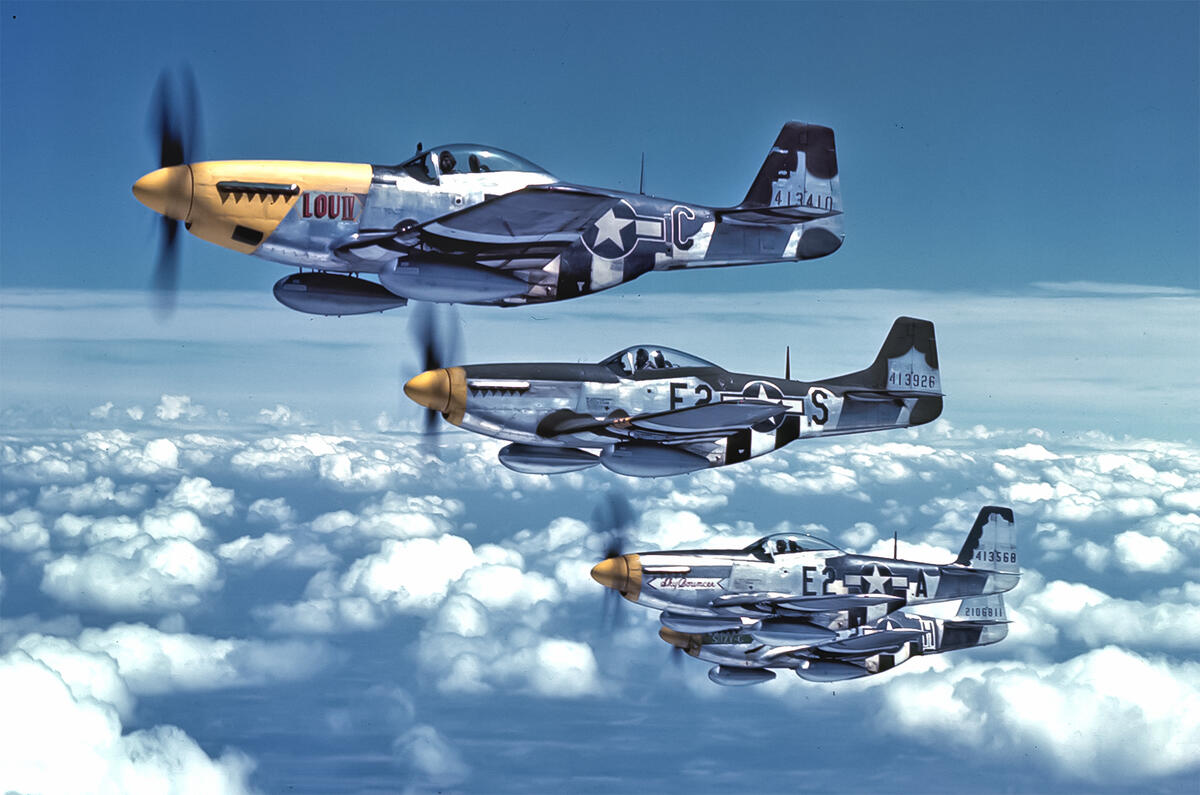

A great aircraft is the civil (or military) partnership of a good engine and good airframe.
And sometimes a separation is necessary to make way for a more appropriate partner. Many great aircraft have been held back by a combination with inappropriate or inferior engines. Here are 10 power-hungry flying machines that finally got the engine they deserved:
10: Tupolev Tu-22/Tu-22M ‘Backfire’
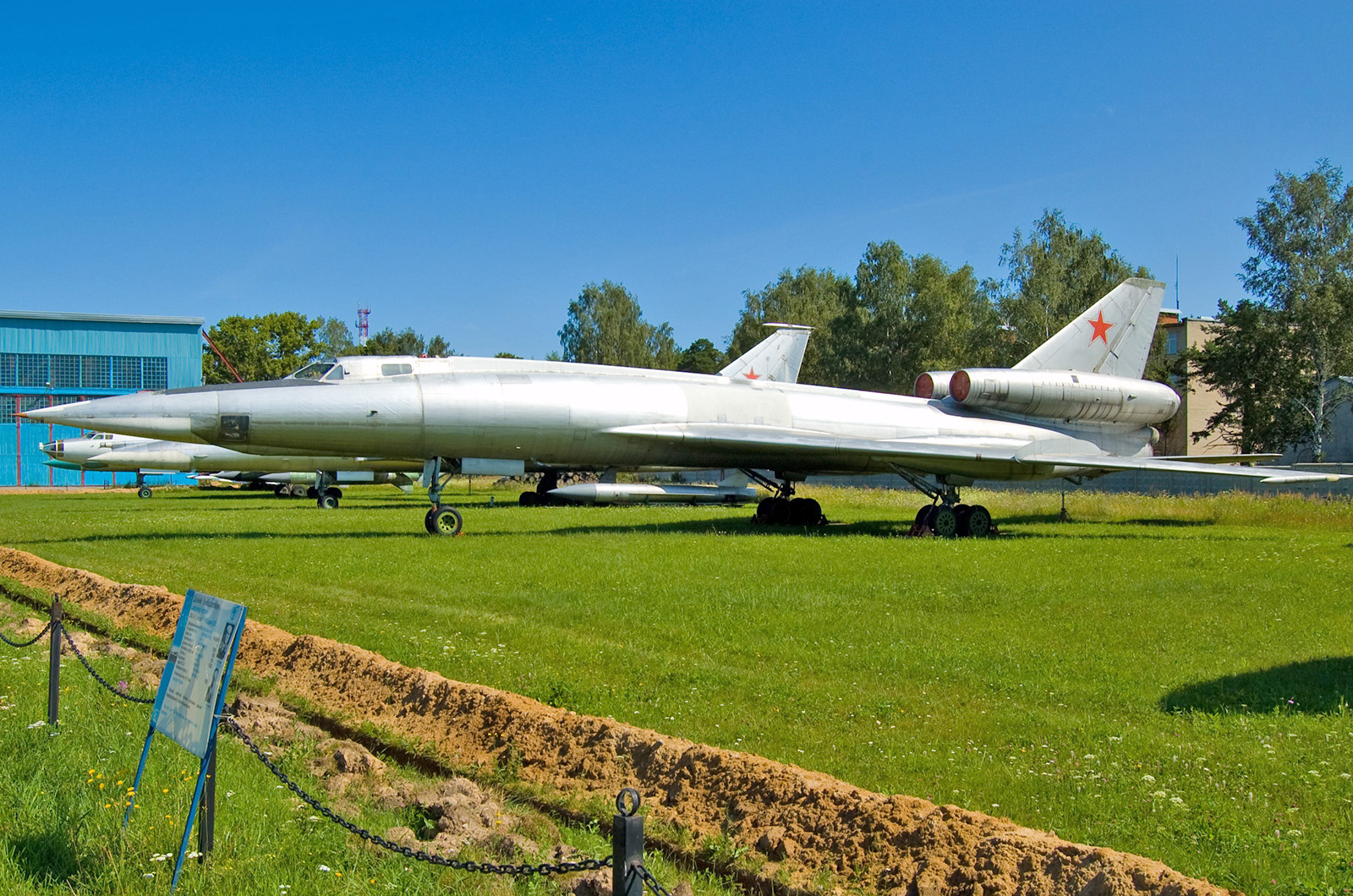
The Soviet Tupolev Tu-22 bomber is the David Bowie of aircraft, reinventing itself with such radical vision that you’re left to ponder what exactly is left of the original. Little wonder the supersonic bomber required reinvention really when you consider how awful the original Tu-22 was.
The original Tu-22 was abysmal in almost every sense. Appalling unserviceability, a wing that allowed aileron reversal at high deflections – a tendency to pitch up and strike its rear end on landing, disappointing range and poor pilot view were only some of the problems. Bizarrely, it still proved popular with many, perhaps overly loyal, aircrew.
10: Tupolev Tu-22/Tu-22M
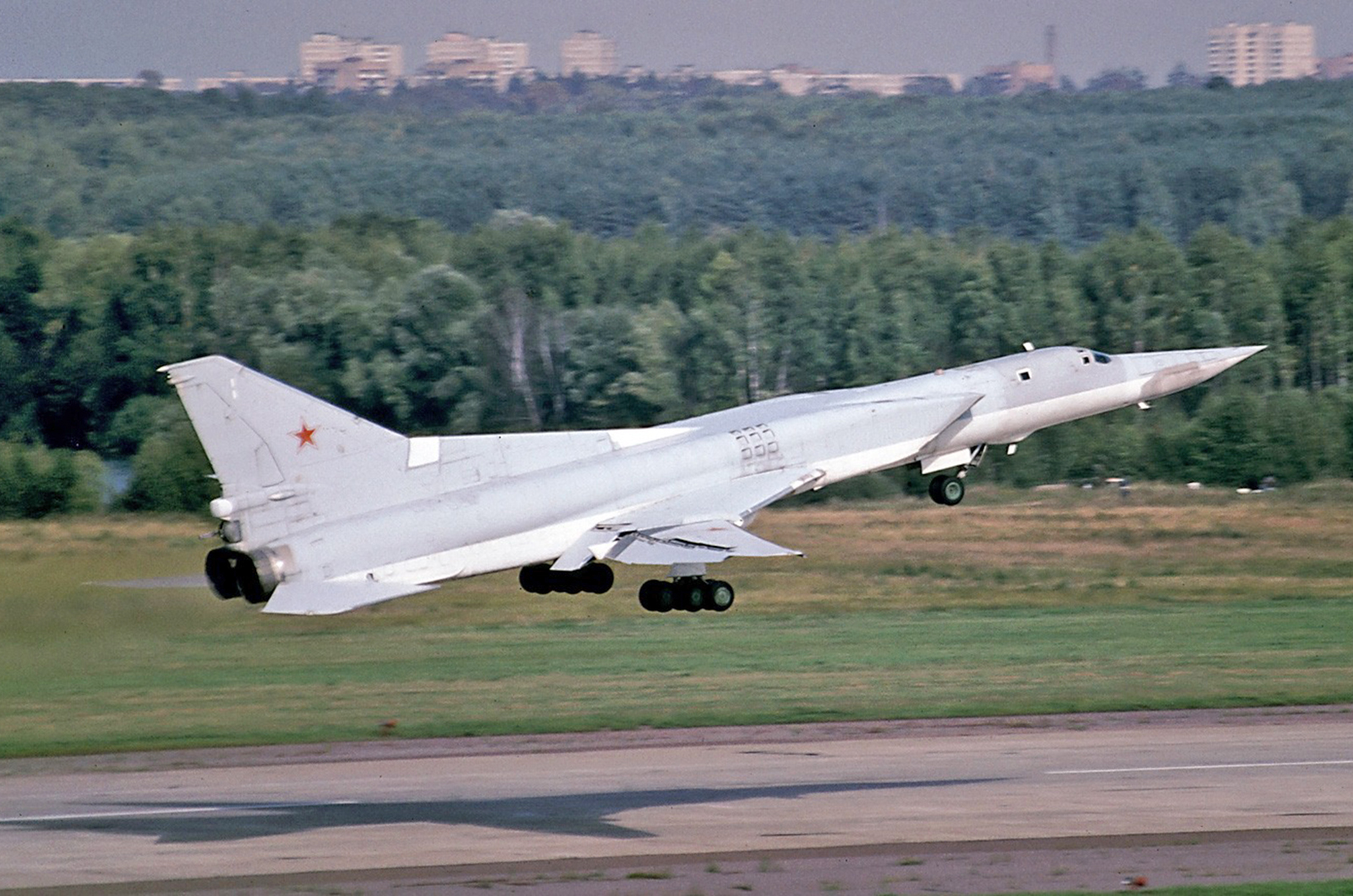
The Backfire served with the Soviet air force and navy, and the design bureau, Tupolev, was under pressure and didn’t take long to plan a major upgrade to this stinker, starting work the very same year the type entered service, 1962. Ten years later a virtually unrecognisable aeroplane, with different (and variable geometry) wings and a host of other modifications, entered service.
Despite all the radical changes, it didn’t get a new model number, just the addition of an M. But it was still a turkey. The terrible Dobrynin RD-7 turbojet had been replaced with the newer, but also terrible, NK-22. The most important change didn’t happen until the Tu-22M3 update, which introduced the Kuznetsov NK-25 turbofan. With this and other refinements, the top speed leapt from Mach 1.65 to 2.05 and its range was increased by a third.
9: Blackburn Buccaneer
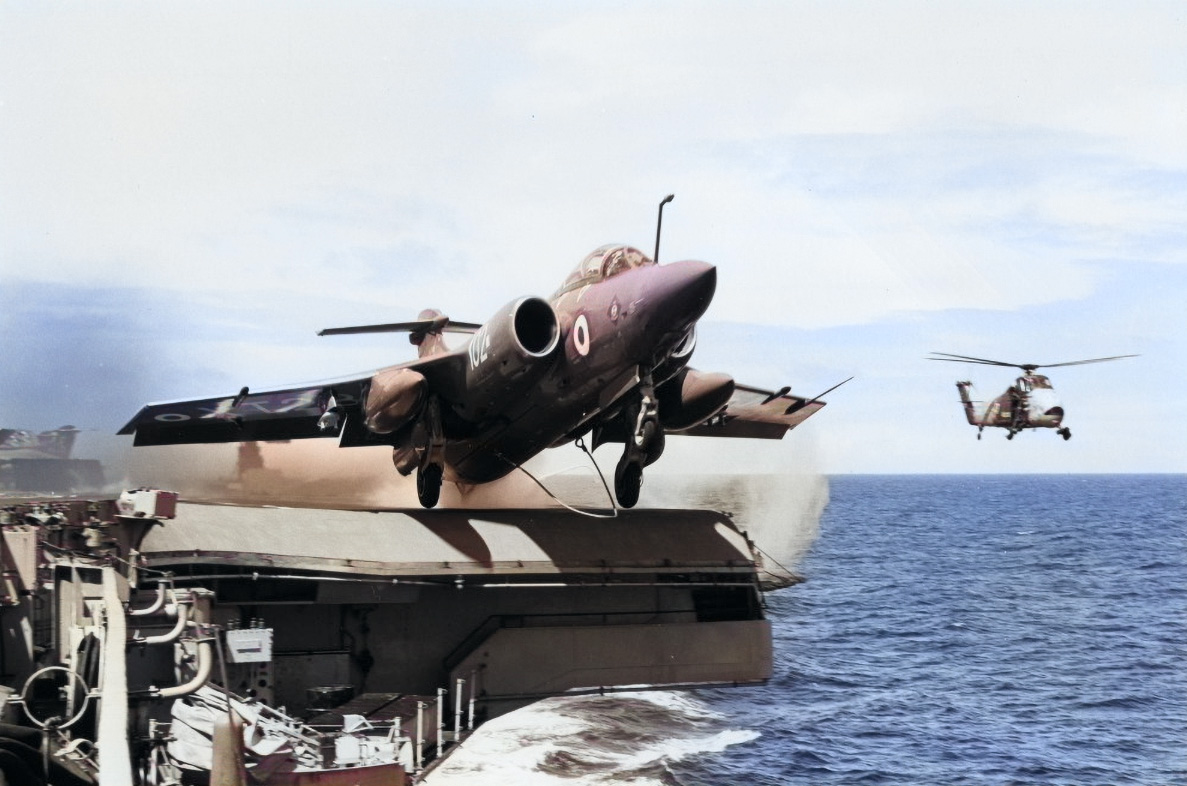
Blackburn Aircraft Limited is famous for making some planes not as good as they should have been, and the initial Blackburn Buccaneer was no exception. The aircraft was a British carrier-based attack aircraft that first flew in 1958. It was a structurally strong design with the innovative use ‘blown flap’ harvesting and steering diverted engine thrust to improve its take-off and landing characteristics.
But the innovative Buccaneer S.Mk 1 was powered by the unreliable de Havilland Gyron Junior turbojet, and was a weakling. It was underpowered, as test pilot Dave Eagles once joked in our interview with him: “it relied on the curvature of the earth to get airborne.”
9: Blackburn Buccaneer
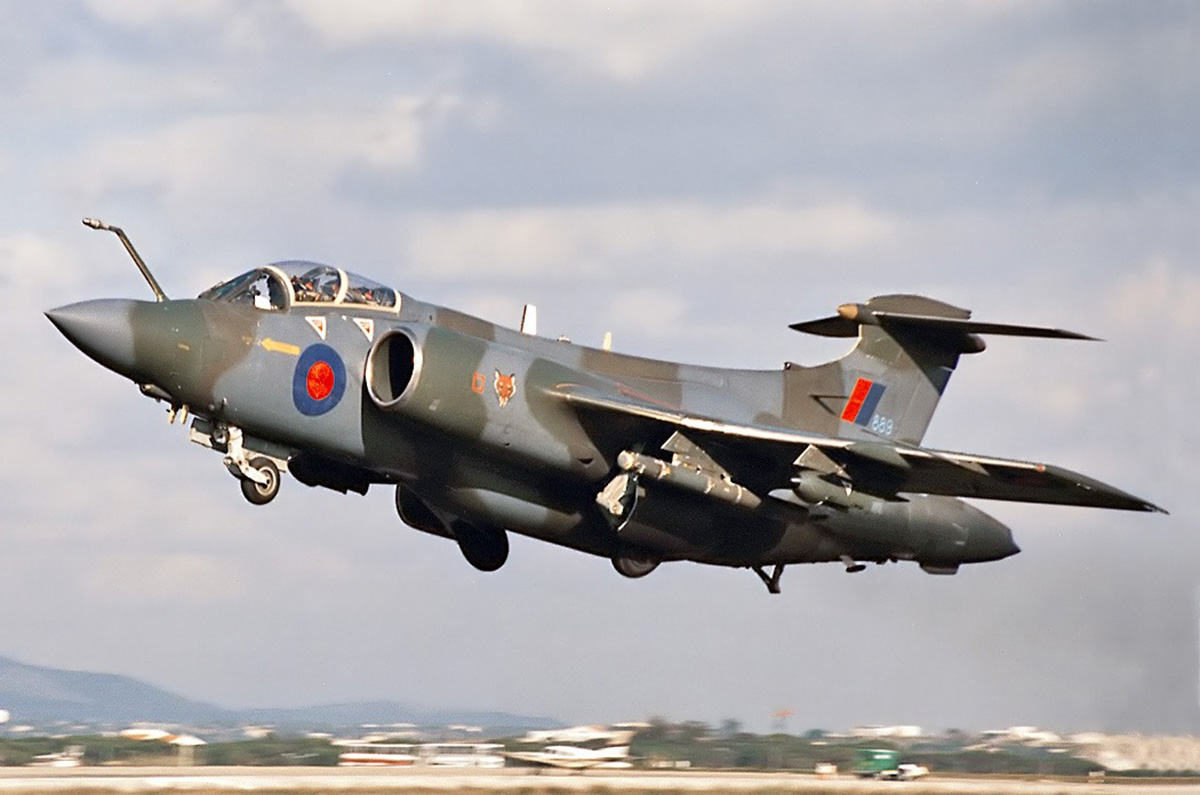
This was solved when the S.Mk 2 was introduced in 1962, powered by the Rolls-Royce Spey turbofan. Replacing the Gyron Junior of 7,100 pounds-force each with the 11,000 lbf Spey was a masterstroke. The Gyron Junior would later be held responsible for a terrible accident in 1970.
The result was a superb low-level aircraft with a long-range (longer even than the Panavia Tornado), a virtually indestructible construction and a rock-steady low-level ride. The type spent much of its life as a ground-based attack aircraft, and proved its worth in Operation Desert Storm, in 1991. It remained to the end of its life - in 1994 - a potent weapon.




Add your comment