
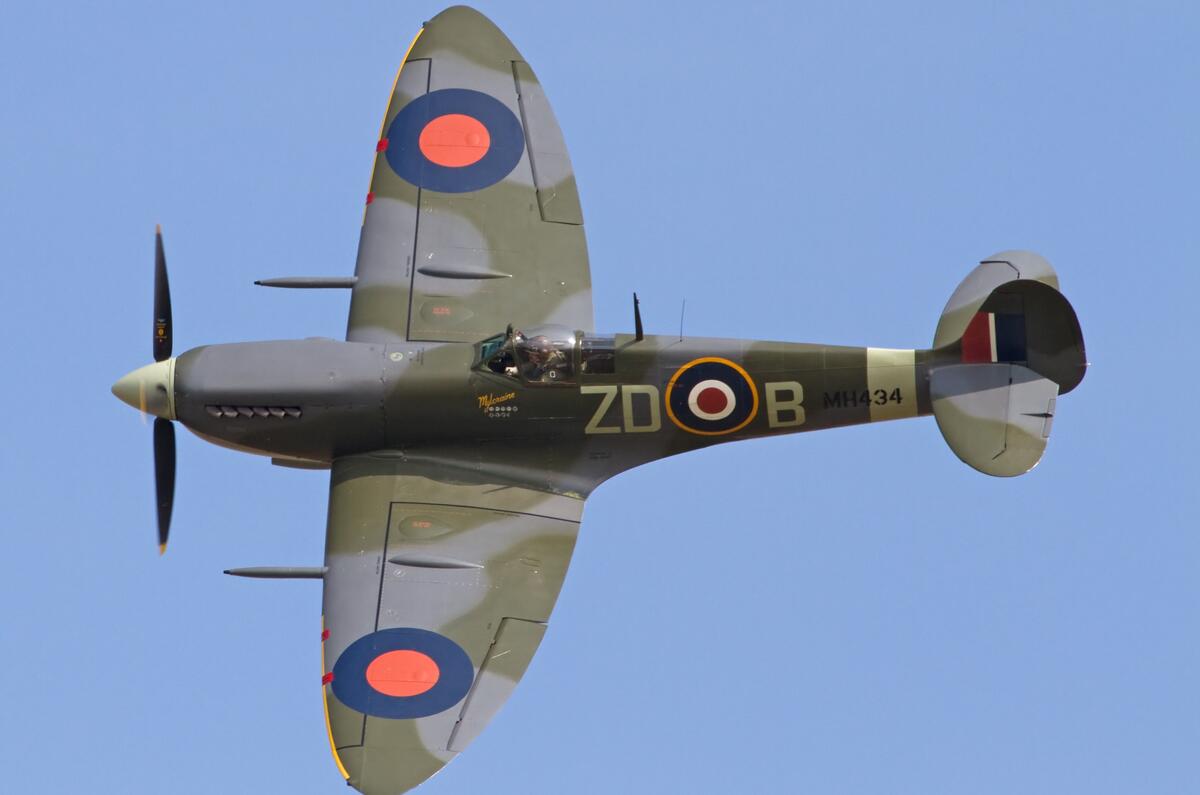

Fighter planes were vital to victory in the Second World War, but which was the best?
In deciding this we must look at speed, manoeuvrability, firepower, total number built - and what the type in question actually did in the War.
The evolution of fighters in this period was a high-octane survival contest that harvested the most advanced technology available to create extremely potent, and often beautiful, flying fighting machines. Ever more aerodynamic designs were combined with increasingly powerful engines and greater firepower to create masterpieces of military design. Here’s our selection, starting at number 10 and working our way through to the plane we think was the finest:
10: Grumman F6F Hellcat
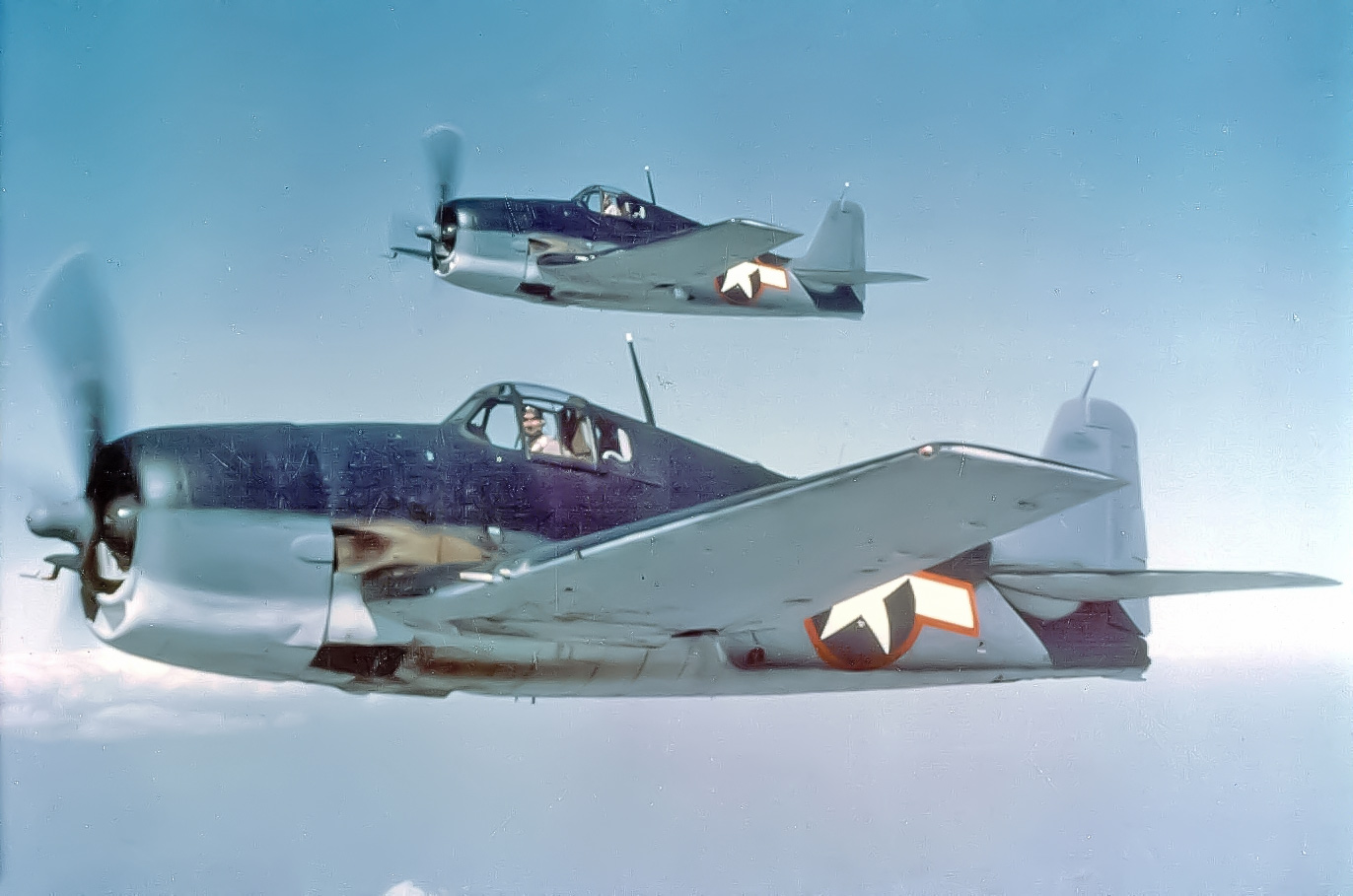
The Hellcat was ordered as an alternative in the event of any major problems with the F4U Corsair, which was very prudent as the Corsair programme very quickly ran into very major problems indeed, and the sturdy F6F found itself the premier carrier fighter in the world’s mightiest carrier fleet.
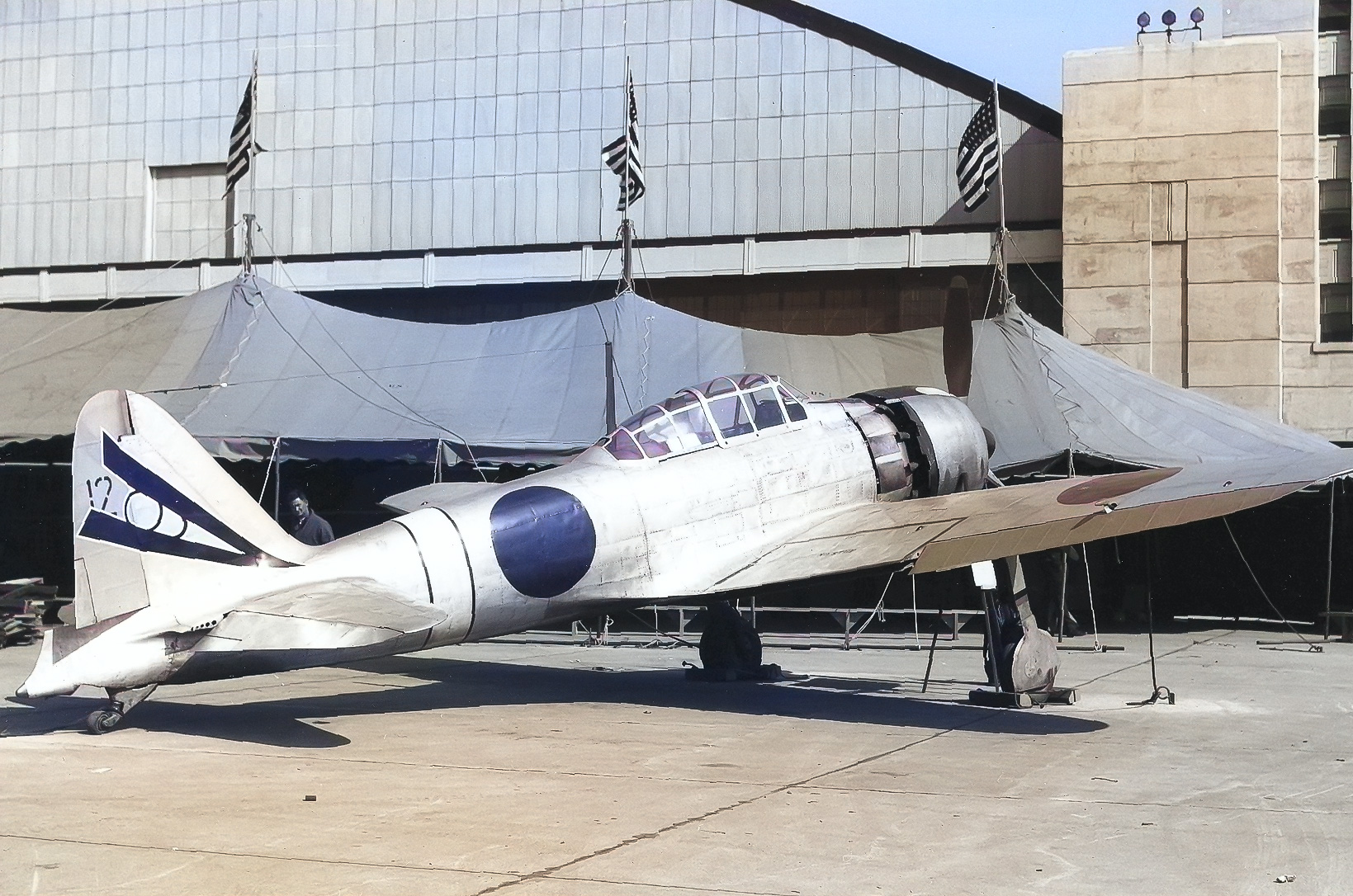
The Hellcat was big, heavy and extremely powerful, the very antithesis of its major opponent, the A6M Zero. To fight the Zero, pilots of earlier Allied naval fighters had had to develop inventive tactics to deal with the superior Japanese aircraft.
10. Grumman F6F Hellcat
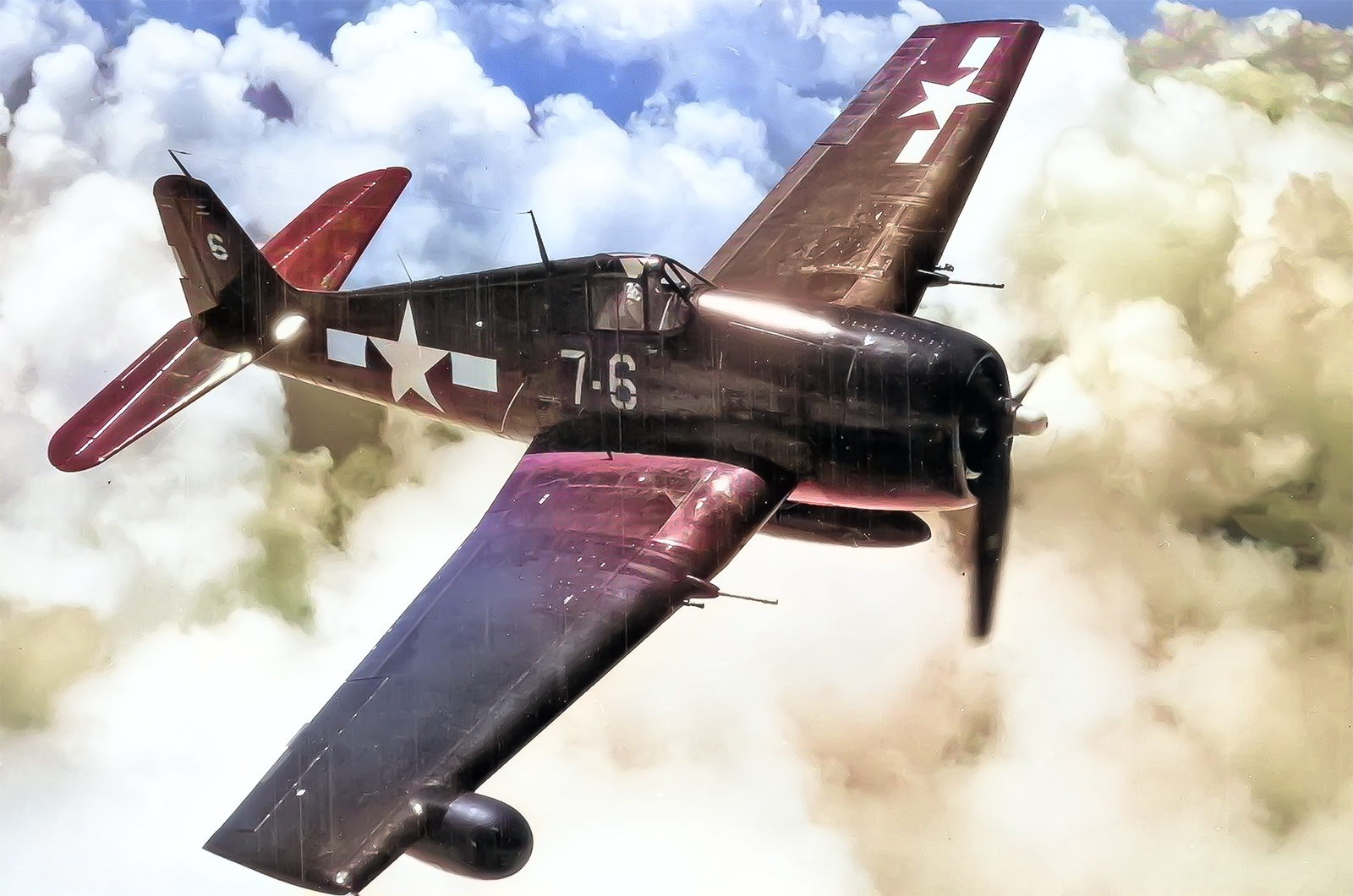
With the coming of the Hellcat, the US Navy had a fighter that was slightly faster, better armed and just manoeuvrable enough to deal with the Japanese fighter. Plus, it was extremely strong and easy to fly, factors which saved many a pilot who would have been doomed in any other aircraft.
The Japanese advance had been checked by the Wildcat, but it was the chunky Hellcat that allowed the US Navy to win the war in the Pacific before being replaced (in part by its old nemesis the Corsair) right at war’s end. It was exactly the right aircraft at exactly the right time.
PHOTO: F6F-5N night fighter with AN/APS-6 radar and 2x20mm M2 cannon c1944/45
9: Bell P-39 Airacobra
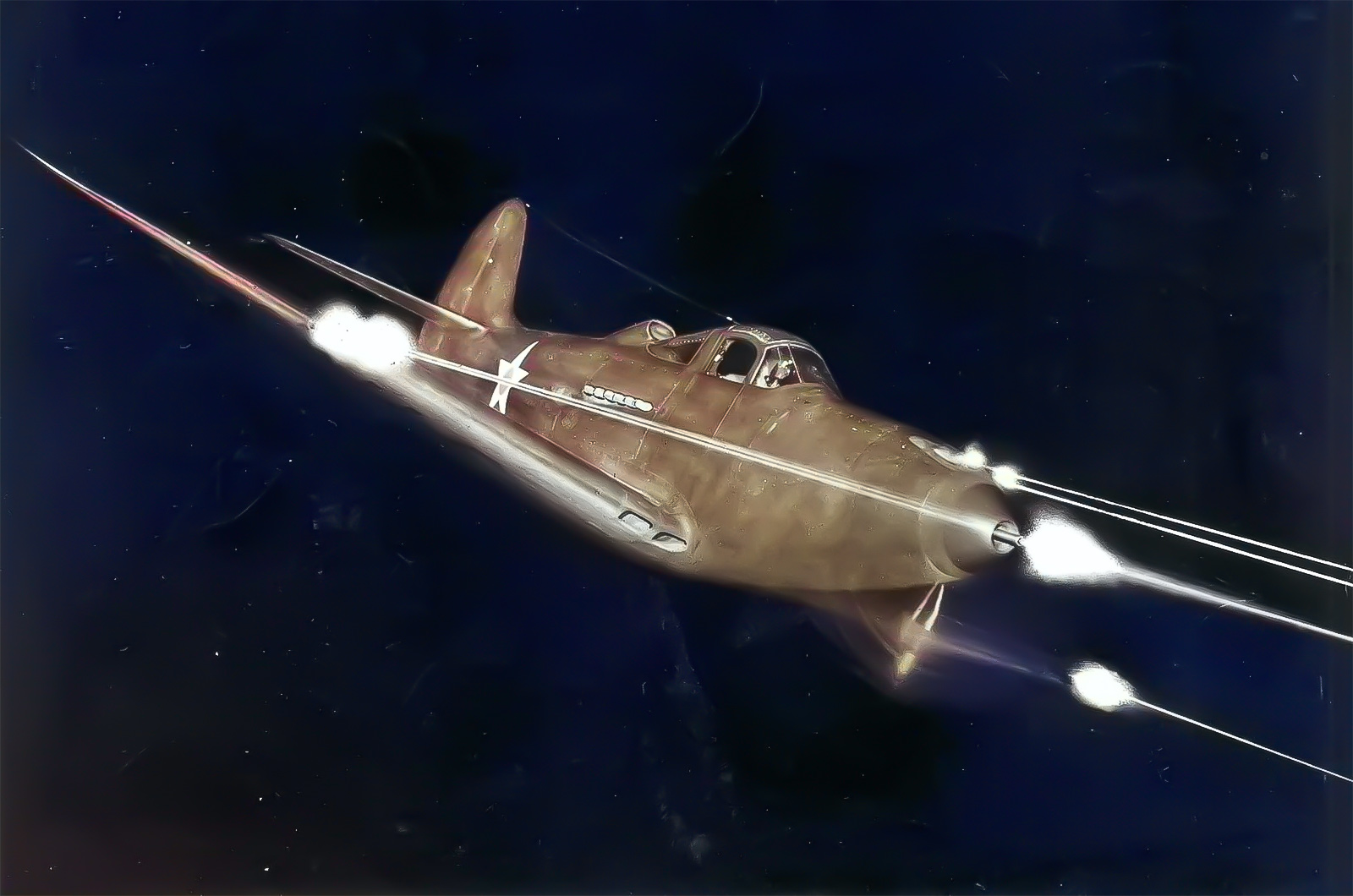
When the P-39 first flew it had a turbo-supercharger and was a fantastic performer at all altitudes. However, the US Army Air Corps decided that no fighter would ever be required to operate at high altitude so they removed the turbo-supercharger and developed the P-39 into a low altitude fighter par excellence.
Then, when it was committed to combat the same US Army Air Corps were scathing in their criticism of the P-39’s altitude performance and called it ‘especially disappointing’. A bit rich you might think seeing as they were the ones who had messed it up in the first place. Thus the unwanted Airacobra was sent by the thousand to the Soviet Union where it found itself in a battlefield where virtually all combat was at low level and its capabilities could be properly appreciated.
9: Bell P-39 Airacobra
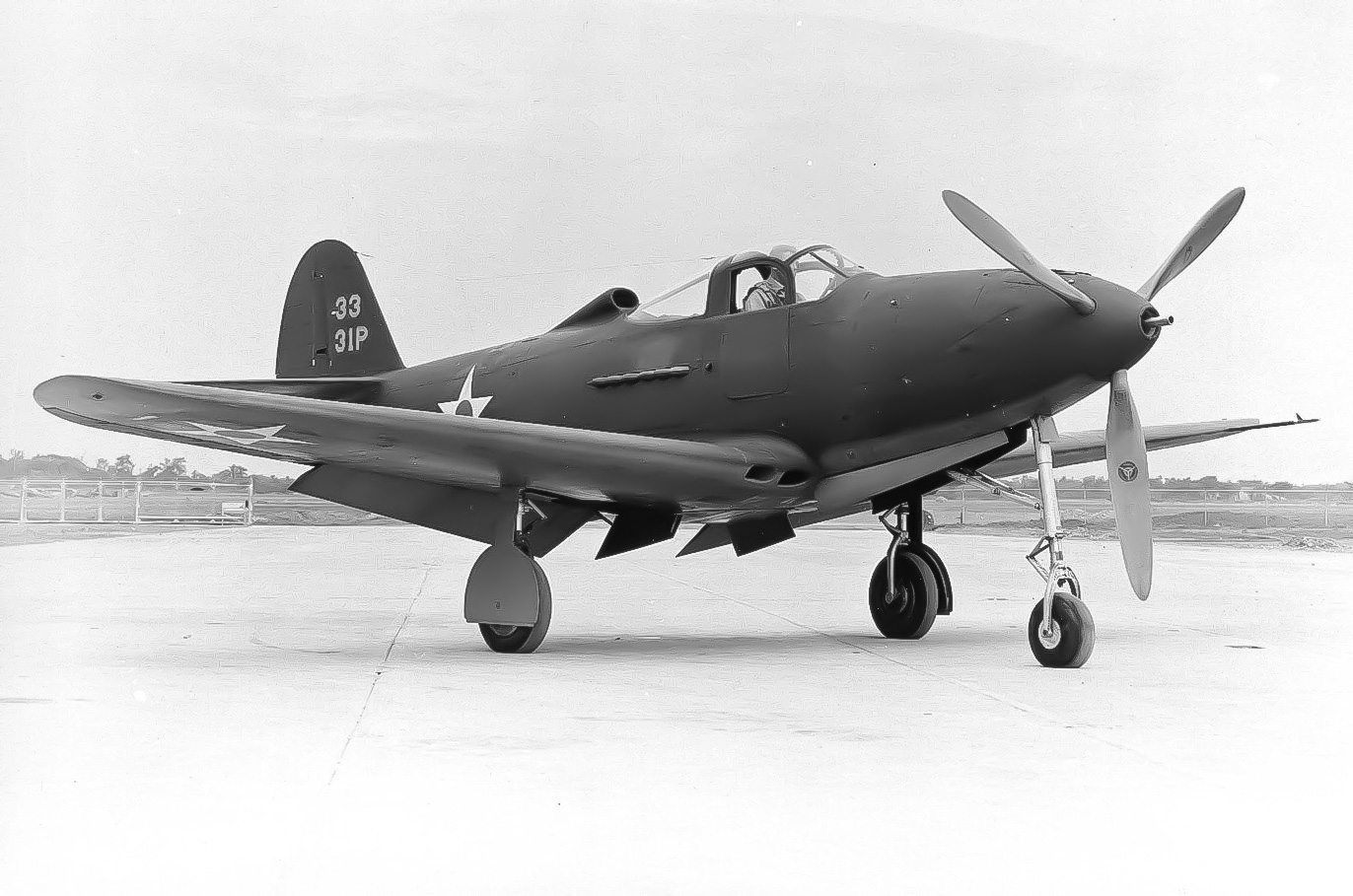
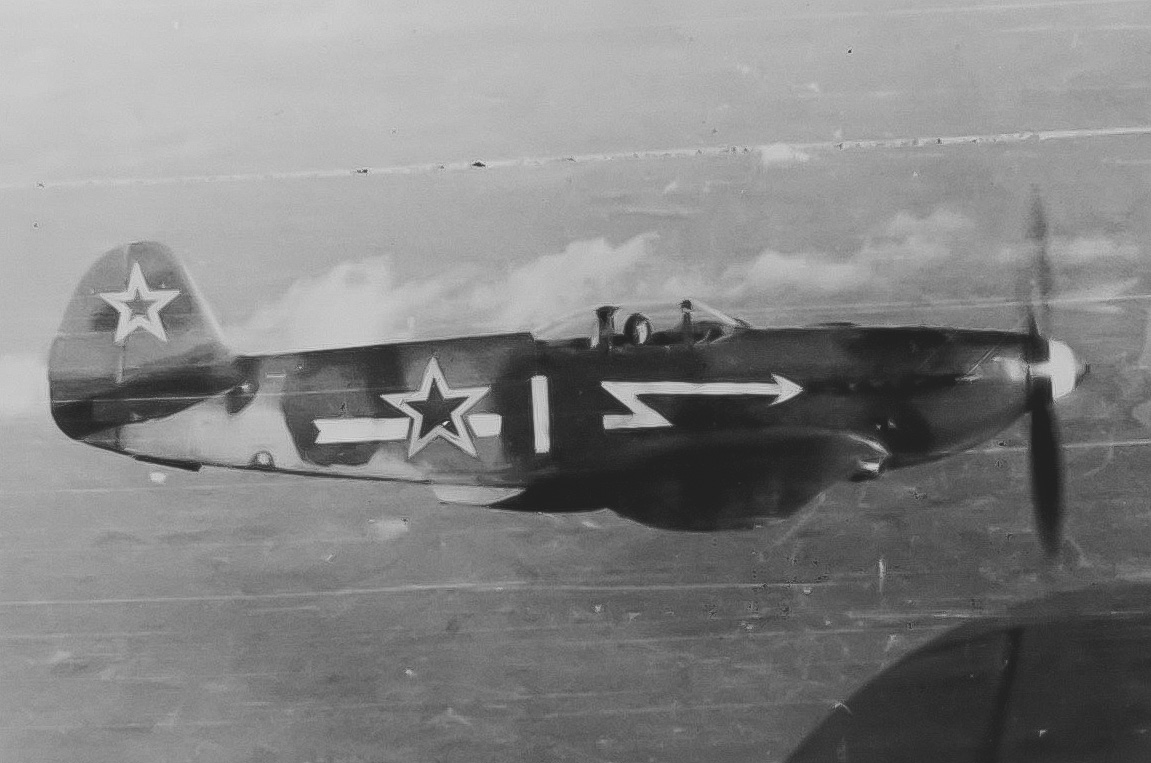
It was fast (a P-39 won the first post war American air-race), it handled beautifully, it was tough, its tricycle undercarriage was perfect for rough field operations, and its firepower was nothing short of spectacular. Of the six Soviet pilots to score more than 50 kills, four flew the P-39. Its performance was superior to the German aircraft it faced (and the Soviet aircraft it complemented).




Add your comment