
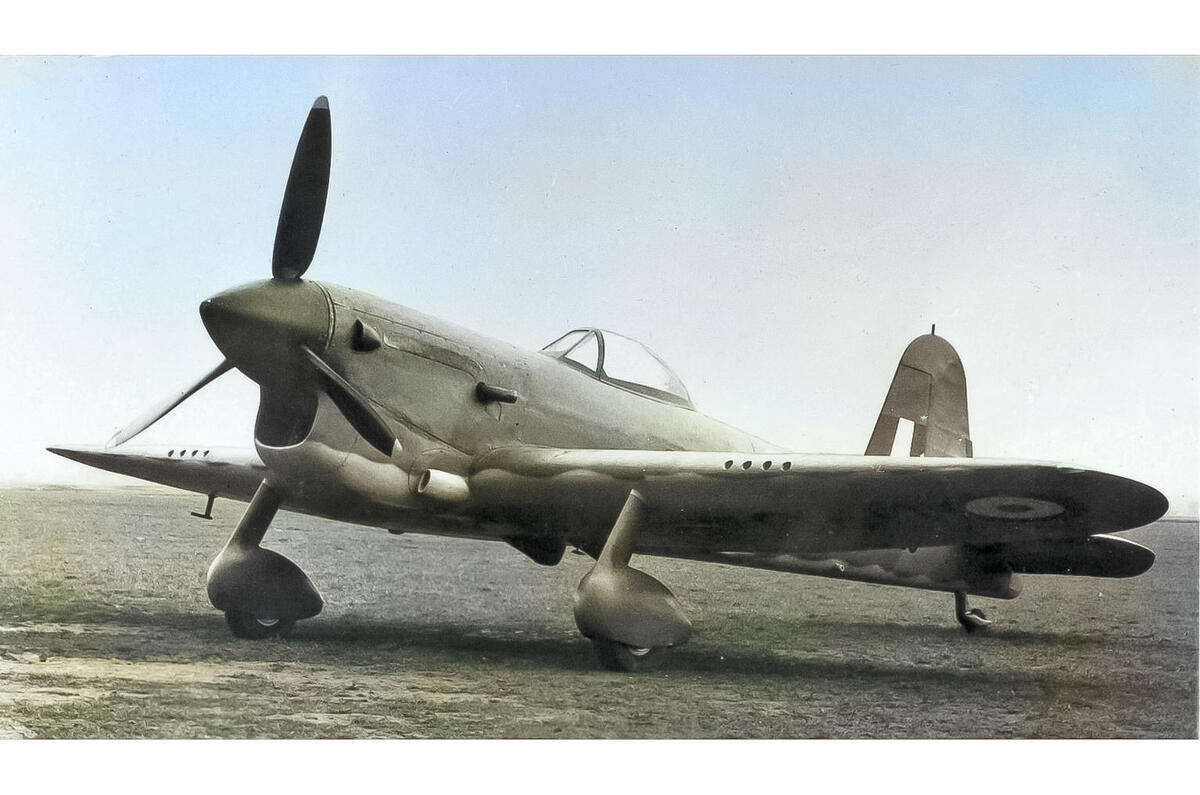

Britain has produced many world-class fighter aircraft over the years.
As well as the designs that actually felt the air beneath their wings, there is a tantalising treasury of designs that never made it. Some were ahead of their time, some rather behind and some, perhaps all, the victim of bad timing. Each offers a tantalising glimpse of what could have been and some truly brilliant engineering solutions. Here are ten of them.
Before any TSR-2 enthusiasts ask, we plan to feature the TSR-2 in a future article on cancelled bombers
10: British Aerospace P.125
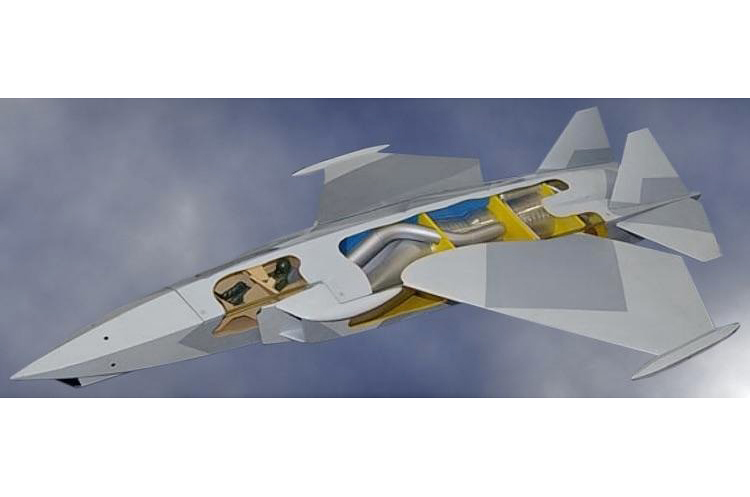
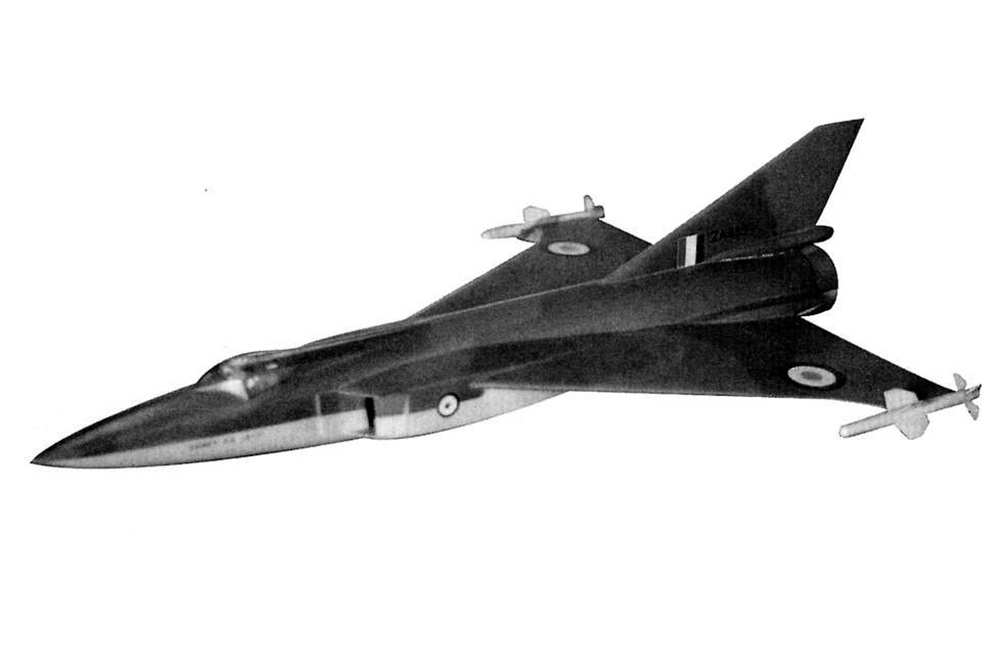
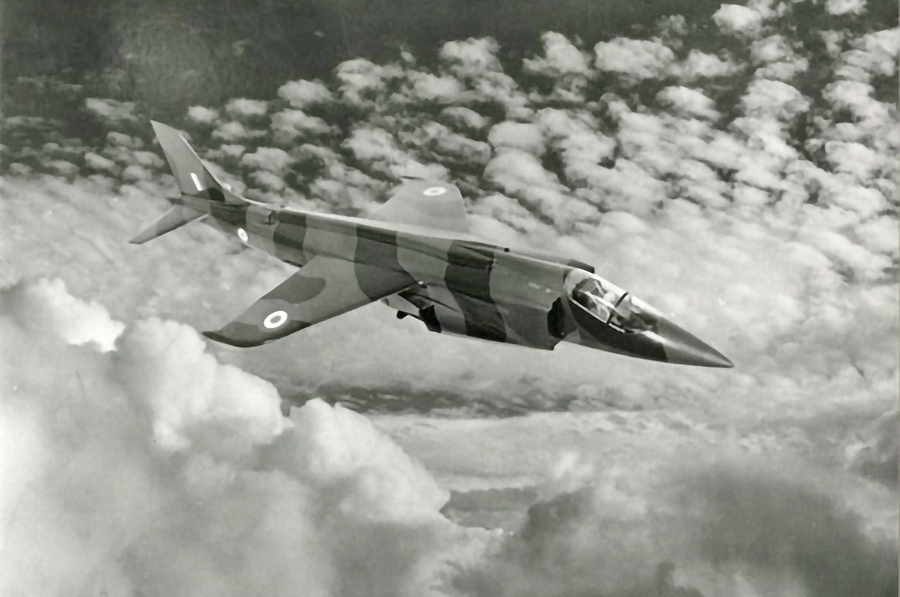
The long history of British expertise in stealth technology has not been discussed a great deal. Britain pioneered radar-absorbent material for aircraft, worked on reduced radar observability for nuclear warheads in the early 1960s and was able to create a world-class stealth test-bed in the Replica model. Prior to Replica, in the 1980s Britain was working on an aircraft concept so advanced it was classified until 2006: the BAe P.125.
The P.125 study was for a stealthy supersonic attack aircraft to replace the Tornado. The BAe P.125 was to be available in both a short take-off and vertical landing (STOVL) version and a conventional landing variant. The conventional variant would feature a central vectoring nozzle, the STOVL version would have three vectoring nozzles.
10: British Aerospace P.125
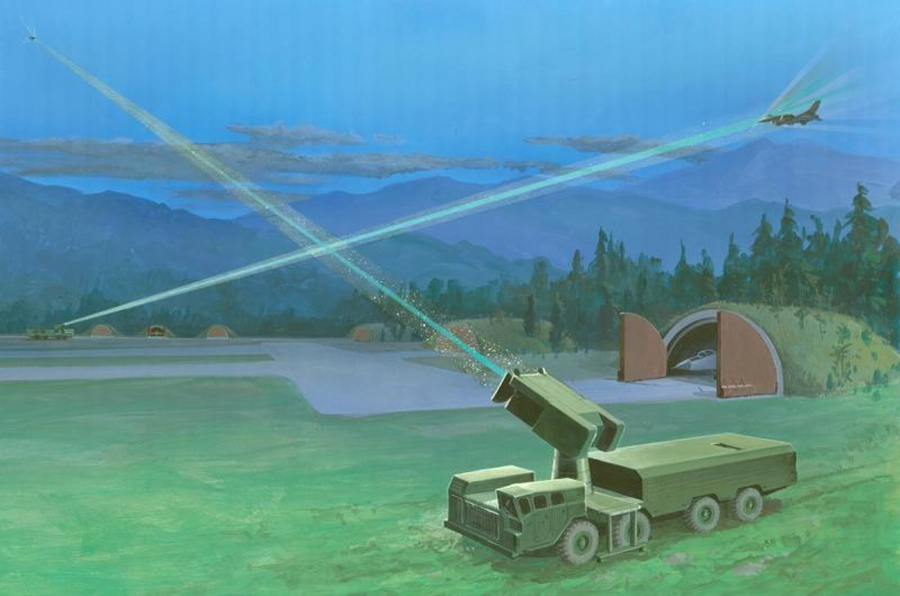
In some ways, the P.125 was more ambitious than the Lockheed Martin F-35B Lightning II; the aircraft was to have no pilot transparencies, with the reclined pilot instead immersed in synthetic displays of the outside world. It is likely that this formidable interdictor would have been even less visible to radar than the F-35.
Despite its 1980s vintage many of its low-observable features are reminiscent of today’s latest fighters, while other features, such as its unorthodox wing design, are unique. The project was quietly dropped when Britain joined the Joint Strike Fighter (F-35) programme in the 1990s.
9: British Aerospace P.1214-3
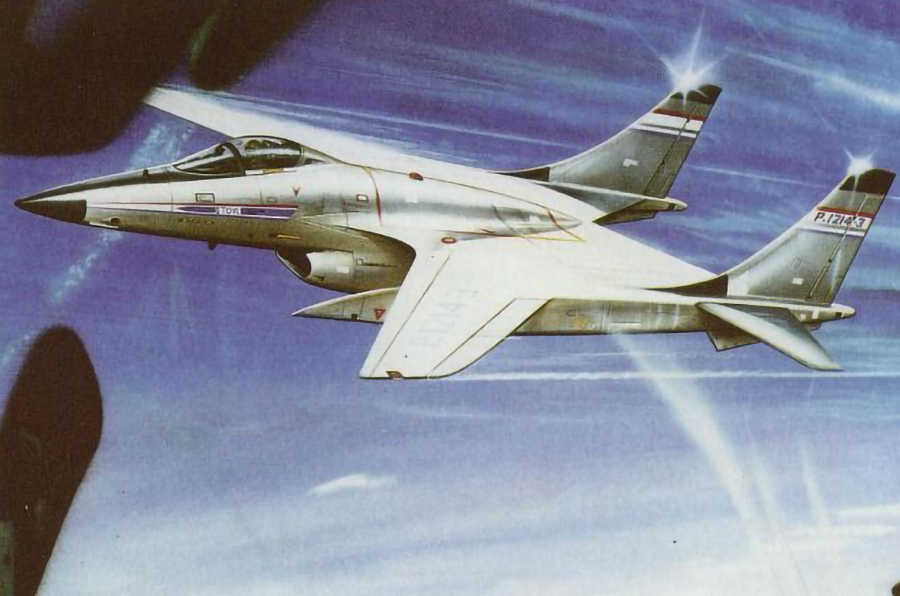
The P.1214 studies tried to solve the inherent limitations of the Harrier concept. The Harrier’s Pegasus engine, with its steerable thrust, blesses the Harrier with the ability to take off and land vertically – and even fly backwards. Unfortunately, you can’t put conventional afterburners on a Pegasus engine.
There are several reasons for this: the hot and cold air is separated, the inlets do not slow the airflow sufficiently for serious supersonic flight, and the jet-pipes would be too short. Conventional afterburners on a Harrier would also set fire to everything (it was tried from the 1960s and proved problematic).
9: British Aerospace P.1214-3
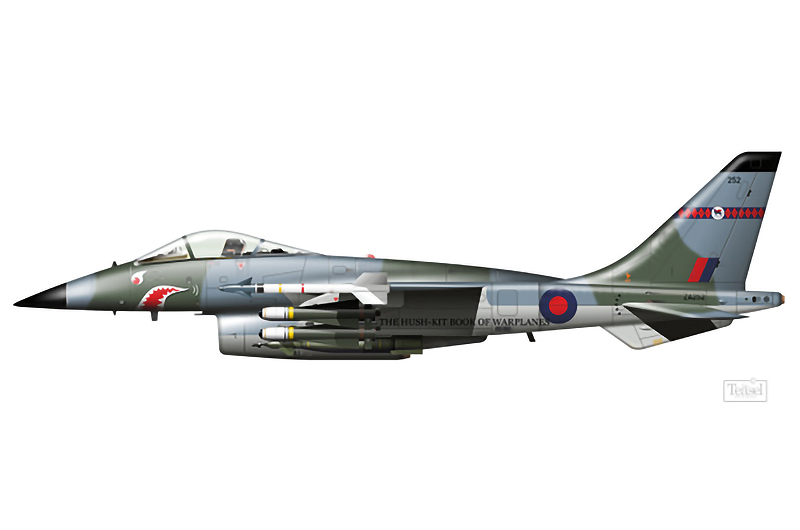
This is a shame as a Harrier desperately needs thrust on take-off and could do with the ability to perform a decent high-speed dash. Though conventional afterburners are out of the question, you could, however, use plenum chamber burning (PCB). This technology was developed for the Mach 2 Hawker Siddeley P.1154, which never entered service.
PCB chucks additional fuel only into a turbofan’s cold bypass air and ignites it. Worried that this already eccentric idea might seem too conventional, BAe decided to add an ‘X-wing’ configuration with swept-forward wings to produce the coolest fighter concept of the 1980s



Add your comment