Let's get one thing straight (or not): loving power oversteer doesn't make you good at it.
In fact, what makes this special cornering condition so great is knowing it's something you will only sometimes get right. It can only be achieved reliably, after practice, by an expert in the right car.
Let me define my kind of power oversteer. I'm not talking here about the special sport of drifting: that's a different thing. Skilful, for sure, but its object is to produce lurid clouds of smoke, slowly and in an exaggerated attitude that has little to do with cornering speed.
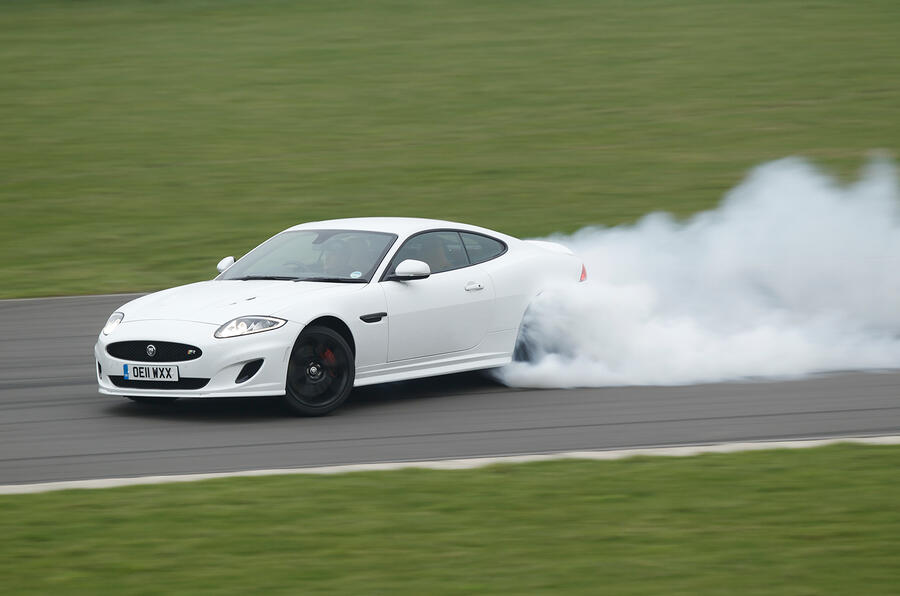
The cars' engines, traction systems, differentials and suspension set-ups are all uniquely configured in a purpose-built drift car that has nothing to do with circuit racing.
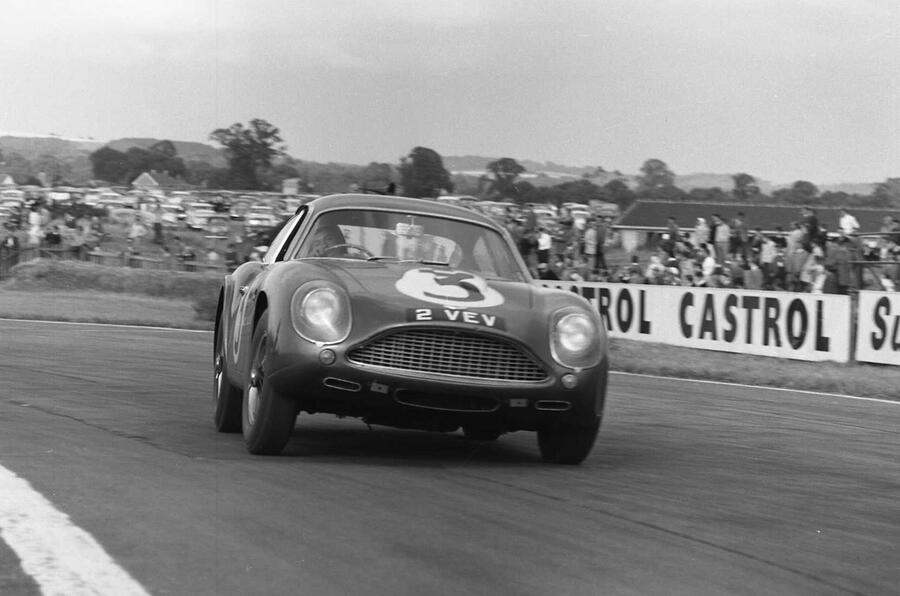
My version involves the use of oversteer as a tool for fast cornering; a means of getting a car quickly and neatly around a corner. It's the sort of thing you see in 10,000 rally videos or (in my case) in those old-time movies of Jim Clark and drivers of his ilk powersliding their Lotus Cortinas at racing speeds to beat the mighty Jaguars and V8 Fords around Brands Hatch or Crystal Palace.
Ideally, it means that somewhere near a corner's apex, the car assumes the new direction it will need for the straight that's coming under full control and is then encouraged to stop sliding dead at precisely the ideal to bolt down the following straight or to be flicked the other way for an S-bend.
My preference is for the powerslides to be precise and relatively narrow, rather than the arms-and-elbows exercise practised on zero-grip skidpans. In my book, powersliding (in the right car) is an aid to cornering, not a party trick.
Some cars are much easier to slide than others. Powerful front-engined, rear-driven cars have a big advantage, because their poke can be used easily to overpower the cornering grip of the rear wheels while the front wheels are still obediently holding their line.
The challenge then is to control the slide, neither allowing the tail to step out too far (which makes you slow and untidy) nor letting it stop sliding too soon, requiring an untidy and slow recovery.
The latter effect is a particular danger for rally drivers: if an oversteering car stops sliding too soon in a long, fast corner, it can grip suddenly and flick the car off the outside of a corner before there's time to recover, taking it over a drop or into the trees or both. There are videos.
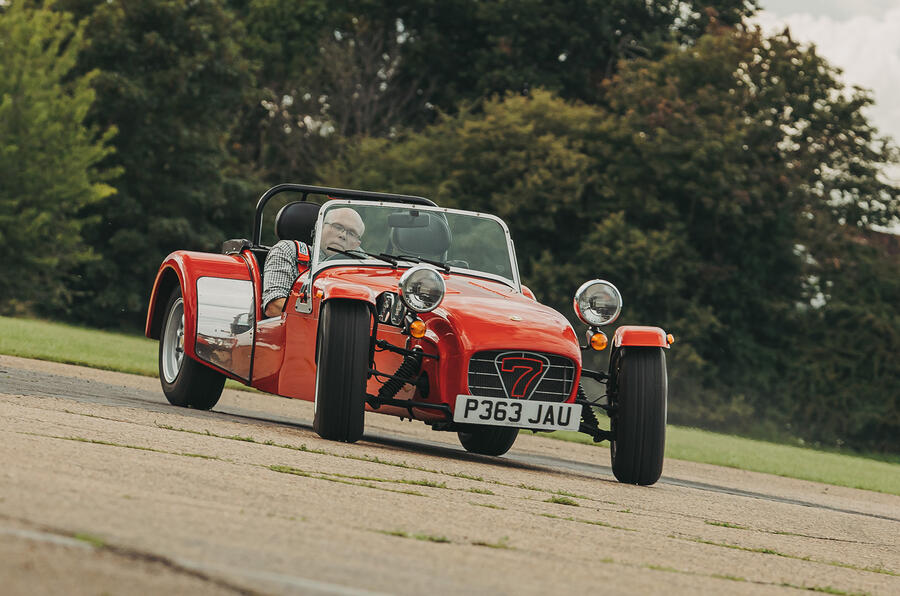
Among affordable road cars, the Caterham Seven is a means of sampling and honing powersliding skills which is why large car parks with lots of cones are often used for what are erroneously called 'drift schools'.

The aim is to show how power oversteer can be used to manoeuvre a car precisely into tight spaces. They soon show you that just as important as learning how to break the car's rear away is judging exactly where it will stop sliding. If you get the chance to try, don't miss out.

Join the debate
Add your comment
The most fun way I'd agree, but rarely the quickest! Modern tyres produce their maximum grip at small slip angles (around 5 to 10 degrees). So anything more than that simply slows you down and wastes expensive rubber. Those images showing our old heroes sliding sideways are a reflection of the characteristics of ancient tyres, plus no doubt a bit of bravado and showmanship from the drivers of the day...
Great, if you don't buy your own tyres or, you are wealthy, so you can afford to waste tyres on a track.
Yep, know what you mean, infact almost twenty years ago I had an M3 a nd in the space of six weeks I had two punctures both on the rear,now at that time a 275/35 cost about £360.00 each,so today I'd imagine it's double that?