This week Steve Cropley has been remembering what it was like to drive early Lamborghinis, wonders why he's become the agony aunt for people not ready to make the switch to electrification, and is relieved the motorway network is constantly improving. But first, some time in a sizeable Toyota pick-up.
Monday
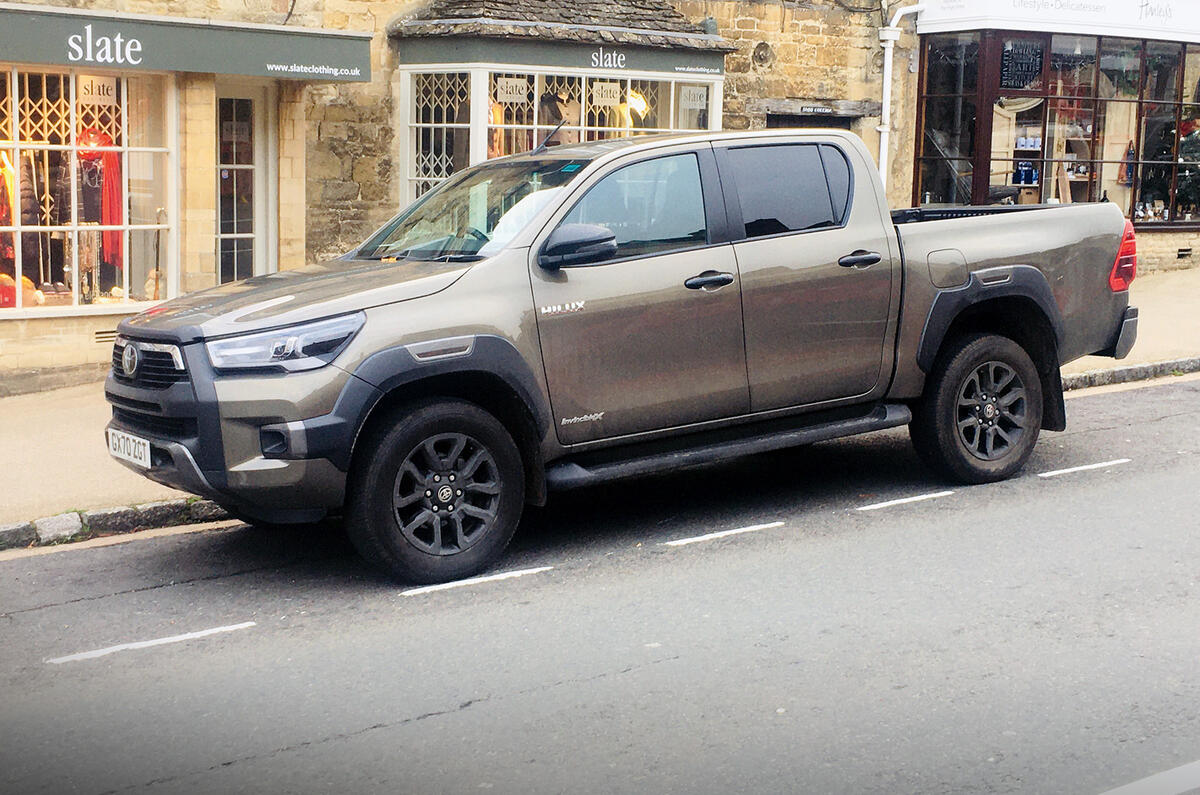
Spent the week indulging my love of double-cab pick-ups with the daddy of the lot, the legendary Toyota Hilux, which has proved its toughness so often it’s almost boring. Chief fascination is its endearing combination of refinement and crudity. On one hand, you’ve got a comfortable, elevated driving position, a well-finished cabin full of robust equipment, mountains of torque from one of the mightiest (2.7-litre) four-pot diesels going, and a creamy six-speed auto. Tyre and bump noise are amazingly low courtesy of the Hilux’s old-tech body-on-frame construction, which insulates you almost completely from the road, and wind noise is also well contained.
Downsides include the sometimes unwieldy 5.3m length, ordinary steering and a jolting ride that results from the one-tonne carrying capacity that most owners never use. Even so, when there’s one of these in the car park, it tends to be the vehicle of choice. Spent long, entertaining periods in my Hilux eyeballing other pick-up owners, many of whom see these as lifestyle vehicles. Amazing how many seemed to come with a couple of rabid-looking mastiffs in the back as standard equipment. Made me yearn for a couple of the inflatable Alsatians allegedly popular for a while in Australia.
Tuesday

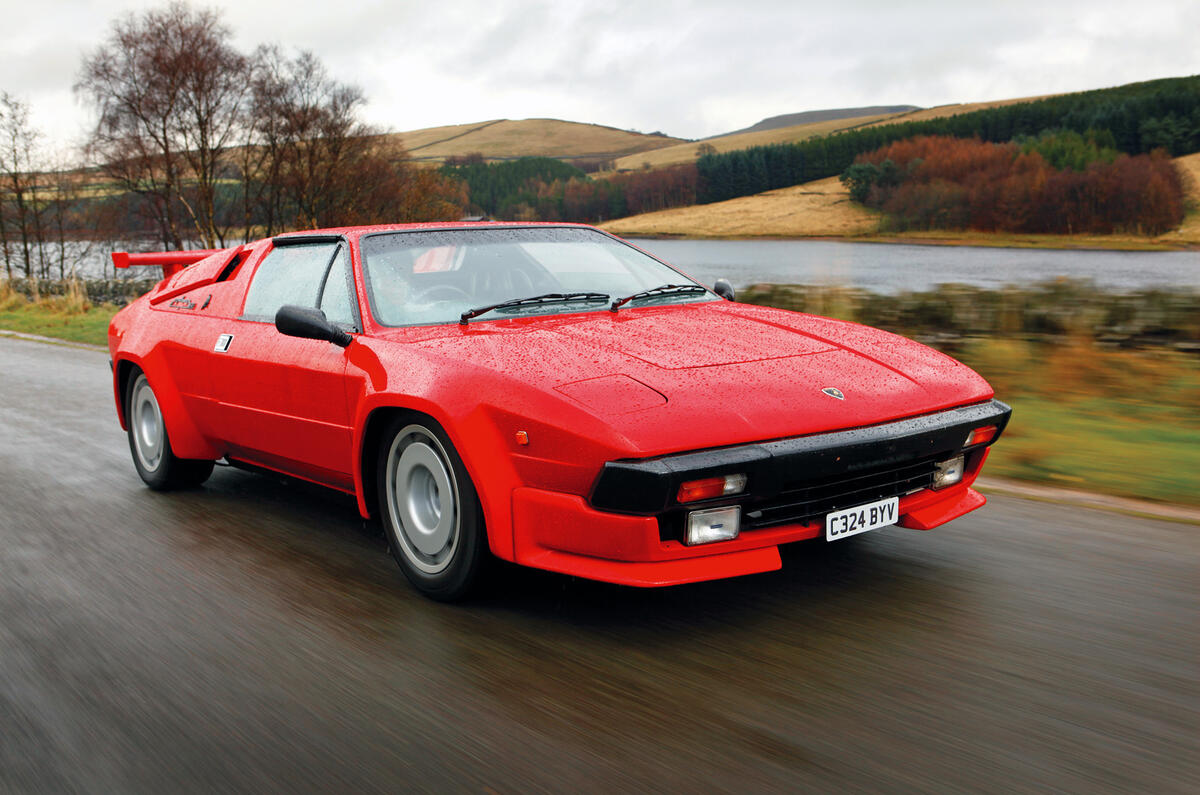
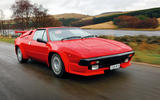
Hard to believe the Lamborghini Jalpa is 40 years old this month. I still remember my regrets at its transition from the much more petite Urraco, even if it was quicker and better engineered. I had a scary experience with a Jalpa early in its life, while bringing the first right-hander 900 miles back to the UK from the company’s Sant’Agata Bolognese HQ in northern Italy. In a Jalpa, the rear window glass between you and the engine bay is so angled that it picks up the headlights of oncoming cars and projects them straight back into the rear-view mirror. That creates the illusion that you’re about to be rear-ended by following traffic at 100mph – all the time. Discovering this for the first time on the Paris Périphérique was very bad for the old strawberry tart.
Wednesday
My inbox seems to attract more than a usual helping of letters from car lovers who hate the onrush of electric cars and reckon they always will. Perhaps it goes with my profile as crustiest Autocar staffer. In some ways, I sympathise: the changes we lovers of internal combustion have had to swallow are huge and very quick. And there has been an unpleasant accompanying feeling that we’re ditching something valuable and desirable.
Yet as far as I can see, there’s only one remedy: acknowledge the inevitable. Get as familiar as you can with as many electric cars as possible: look, ride and drive if you can. I’ve tried to do this, and my resulting realisation is that car makers have already created many plausible, practical EVs in just one decade. This leaves me feeling very optimistic about the future. Furthermore, an even more fascinating phase is coming. Car makers have achieved the utility consumers need: their next push will be to enhance desirability. Good times will roll.
Friday
After years of nearly intolerable hold-ups at junction 15 of the M4, my usual entry point to our motorway network, the road builders have lately opened a newly designed junction that simply sweeps the age-old problems away. This is a startling development, because I long ago decided all UK road designers were fully paid members of the Anti-Destination League. But I guess, like everything, standards and abilities among road planners vary. If I ruled the world, I’d transfer the junction 15 team to London with a brief to smooth traffic flows for all. Not, as at present, to deliberately and spitefully create obstructions.
And another thing…

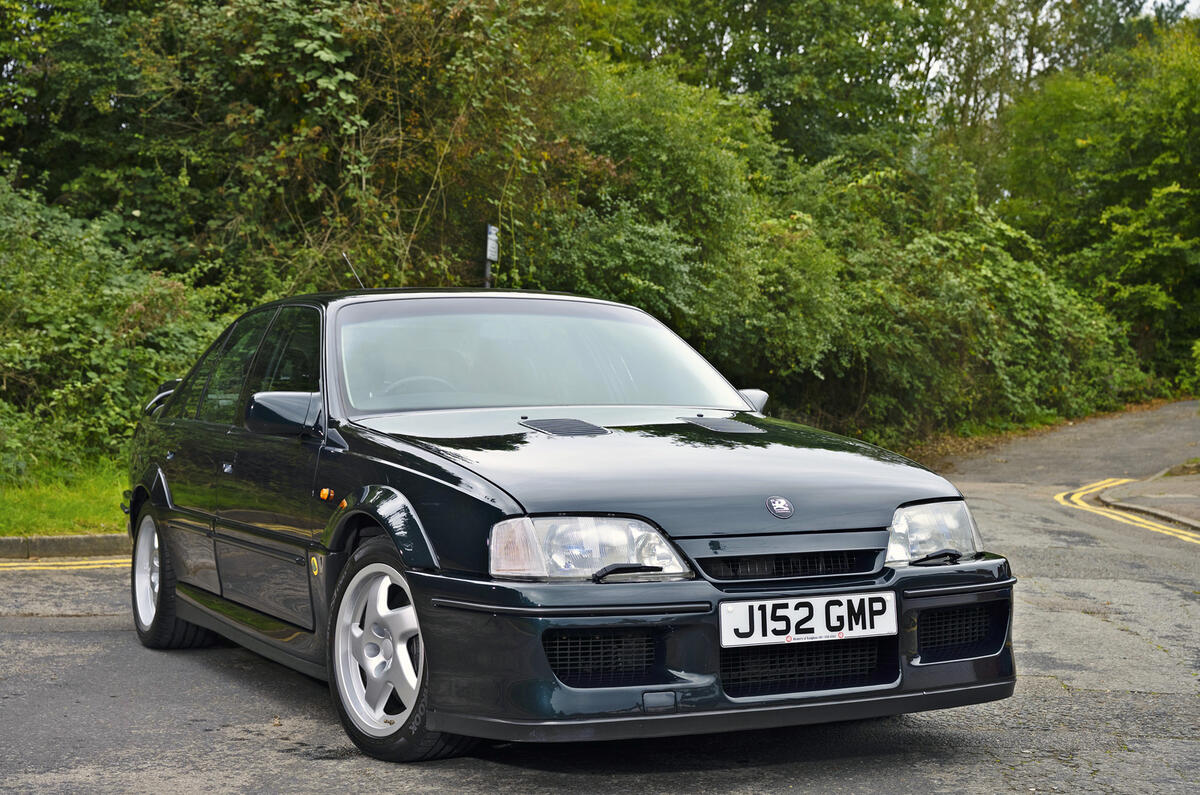
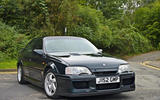
We’ll never know what happened to the Lotus Carlton that outran police Austin Montegos in a blaze of publicity back in the 1990s, but today the car certainly seems to be outrunning the market. This one sold for £70.5k (£48k new) in Car & Classic’s latest online auction. Wonder if the Daily Mail still wants it banned…

Join the debate
Add your comment
Toyota Hi-Lux would be better as an EV. A simple, rugged and reliable vehicle would be even more so with a hefty electric motor powering it. This would also eliminate the two Hi-Lux drawbacks - sounding like a tractor and smelling like a bonfire. Unfortunately, Toyota are too slow to take advatage of the EV approach and will be beaten to it by Rivian, Tesla and even Ford.
Steve, my thoughts for those who ask about EVs.
For those who say they dont want an EV, my advice would be not to worry, dont buy one, enjoy your petrol car while you can. Maybe one day there will be no choice, but for the next few years we will still be able to buy them new.
Once bought, why wont they last 20 years. Plenty of cars made 20 years ago are still perfectly functional. And then, dont throw good cars away, get them rejuvenated, much like the 50 year old £200k Range Rover on test today (but without the £200k price tag). I see no reason why at 53 i should ever have to drive an EV, but i expect one day i will choose to do so, if for no other reason than to preserve and protect the cars that still burn Petrol. But first i am likely to spend the next decade (or 2) driving a GR86 or similar. Maybe by the time i am too old to get into something low i will want an autonomous EV SUV?
But then you might find you'd missed out on 20 years of instant torque and the grin that goes with it. Don't deny yourself that - book that test drive in a fast EV. Plus you can always rejuvenate that Range Rover to electric anyway, it's all the rage nowadays. Looks the same, but is cheaper to run, far more reliable and doesn't fill your garage full of fumes.
Steve, you are so right about London. I'd like to blame Sadiq Khan who I am sure has de-phased the traffic lights but Boris's legacy must take a share of the responsibility. My pet gripe is Lancaster Gate which used to operate almost perfectly and is now more or less permanently clogged. There must be hundreds of other junctions like it and I know all the city's deliveries are suffering as a result.