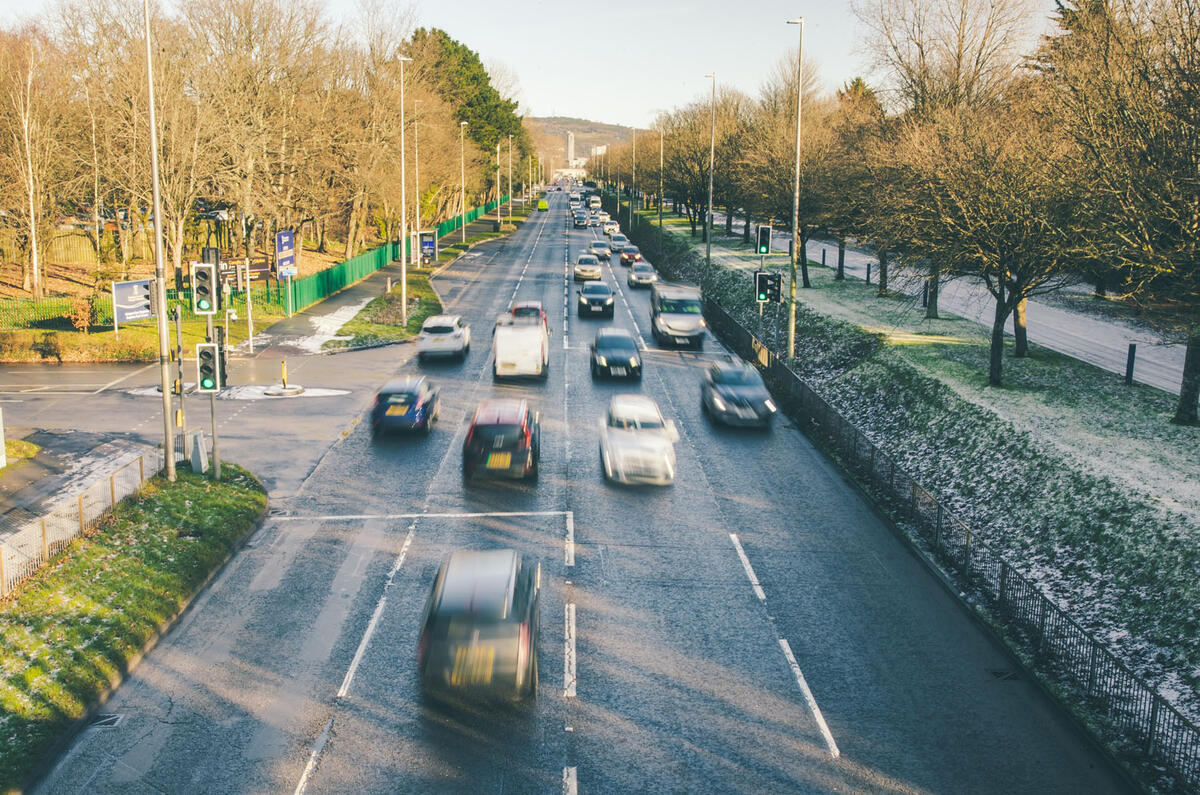


The UK government is proposing the biggest road safety shake-up in a generation as part of an effort to cut road deaths by at least 65% by 2035.
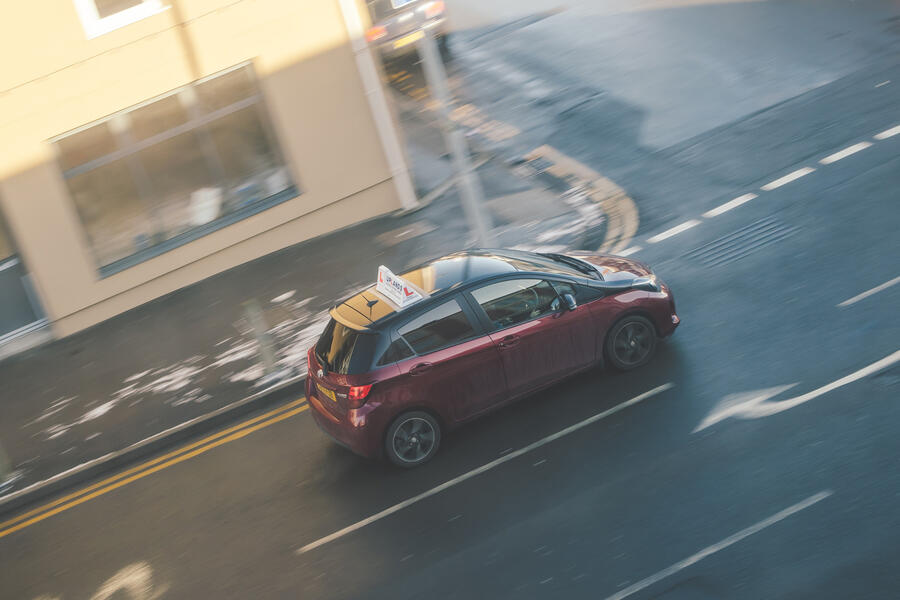
Called the Road Safety Strategy, Labour’s plans include new measures such as cognitive and sight tests for the elderly, minimum hour rules for learner drivers and the lowering of drink driving limits – which have remained unchanged since 1967.
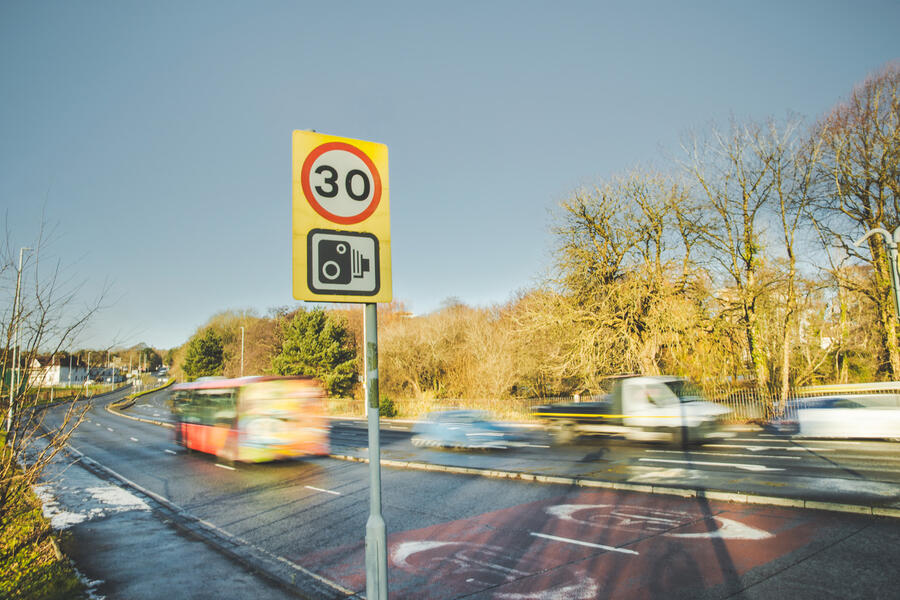
The documents are broken up into five separate consultations that cover everything from speed limits and driving offences and even what safety technology must legally be fitted to new vehicles.
“Every life lost on our roads is a tragedy that devastates families and communities,” said transport secretary Heidi Alexander. “For too long, progress on road safety has stalled. This strategy marks a turning point.
"We are taking decisive action to make our roads safer for everyone, from new drivers taking their first lessons to older motorists wanting to maintain their independence.
"The measures we are announcing today will save thousands of lives over the coming decade."
Drink driving
Chief among the proposed initiatives in the government's strategy to cut road deaths is a revamp of the UK's drink driving rules.
Official figures show that a sixth of road fatalities in 2023 involved drink driving.
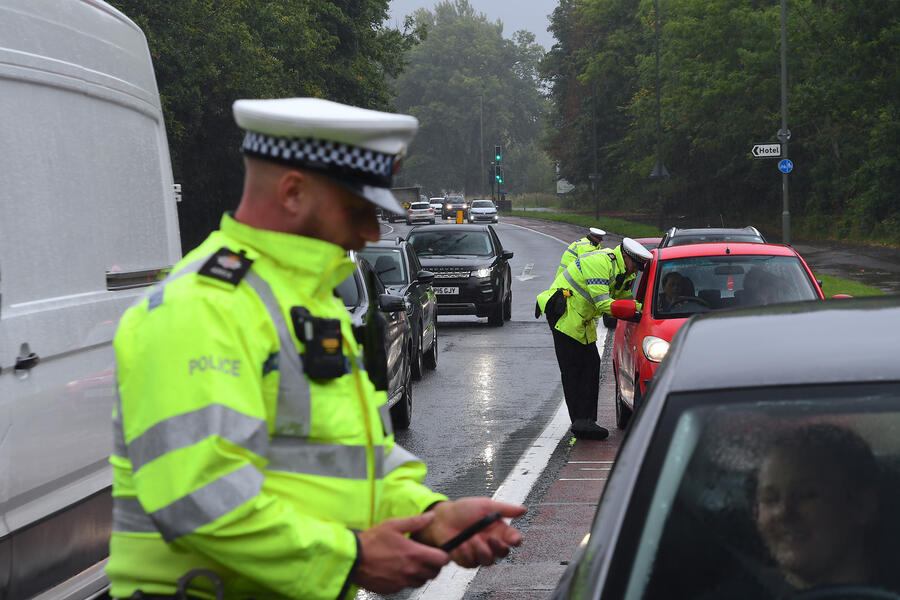
The legal limit for alcohol in drivers is currently higher in England and Wales than anywhere else in Europe, a threshold of 80mg per 100ml of blood having been set in 1967 and left unchanged since.
The Department for Transport (DfT) will now consult on lowering the limit, with a target to match Scotland’s stricter cap of 50mg of alcohol per 100ml of blood. For newly qualified drivers the cap would be 0mg, but how such a driver is defined hasn't yet been confirmed.
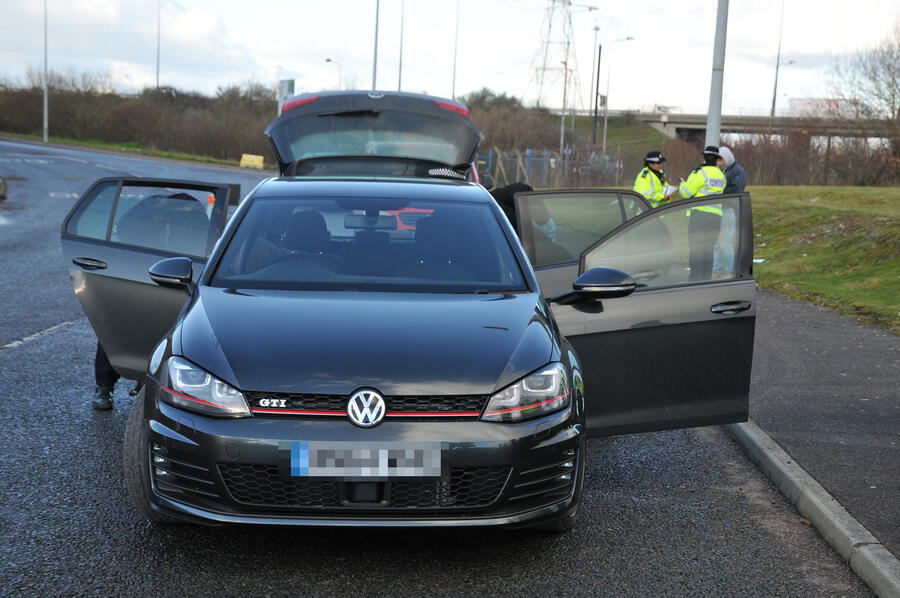
Currently, the possible penalties for "being in charge of a vehicle while over the limit" include three months imprisonment, a driving ban and a fine of up to £2500. Actually driving or attempting to drive while over the limit can double that jail time, and there is no limit on the fine imposed.
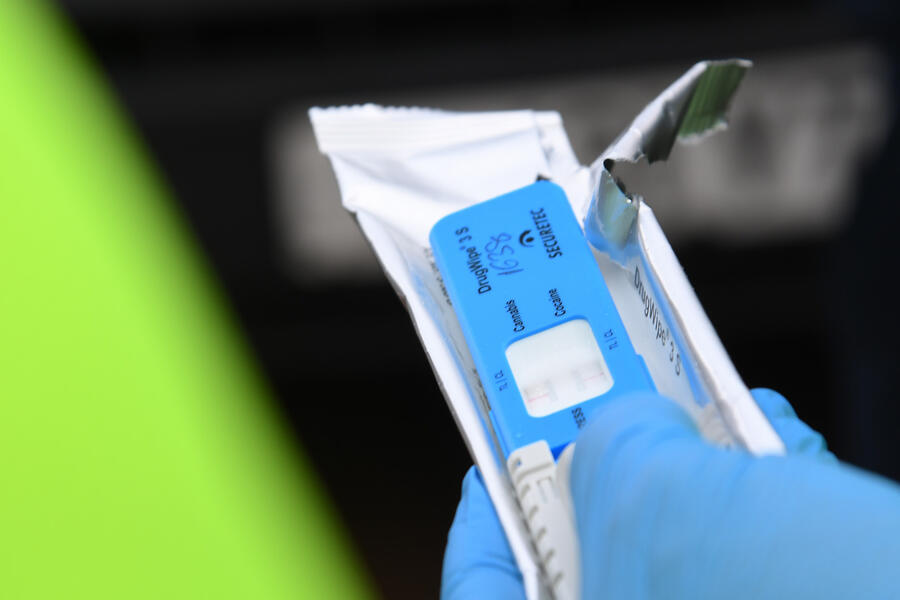
Also on the cards in the DfT's consultation is the use of new "preventative technology" to stop drink driving, which includes alcohol interlocks to stop a vehicle starting if the driver is over the limit.