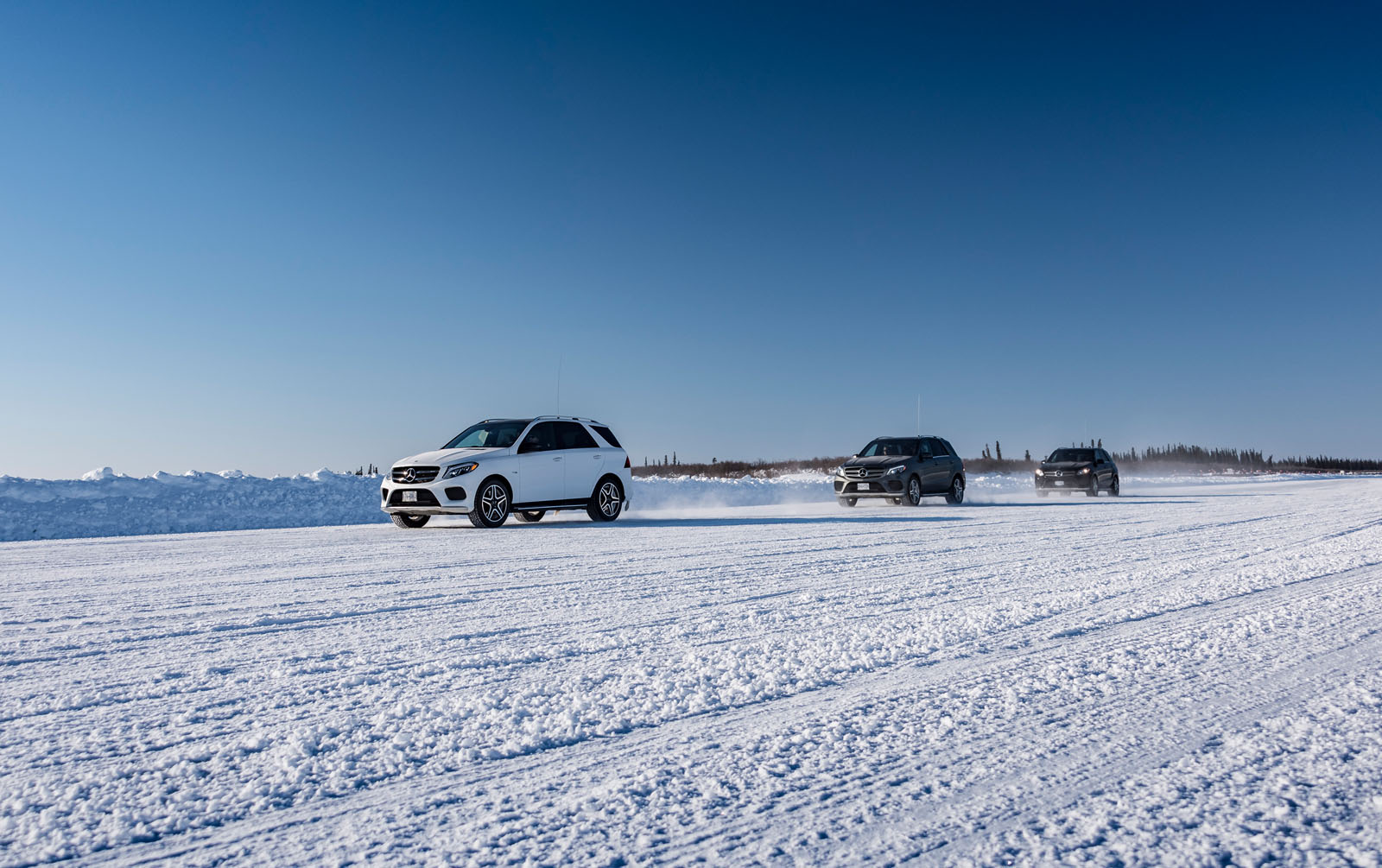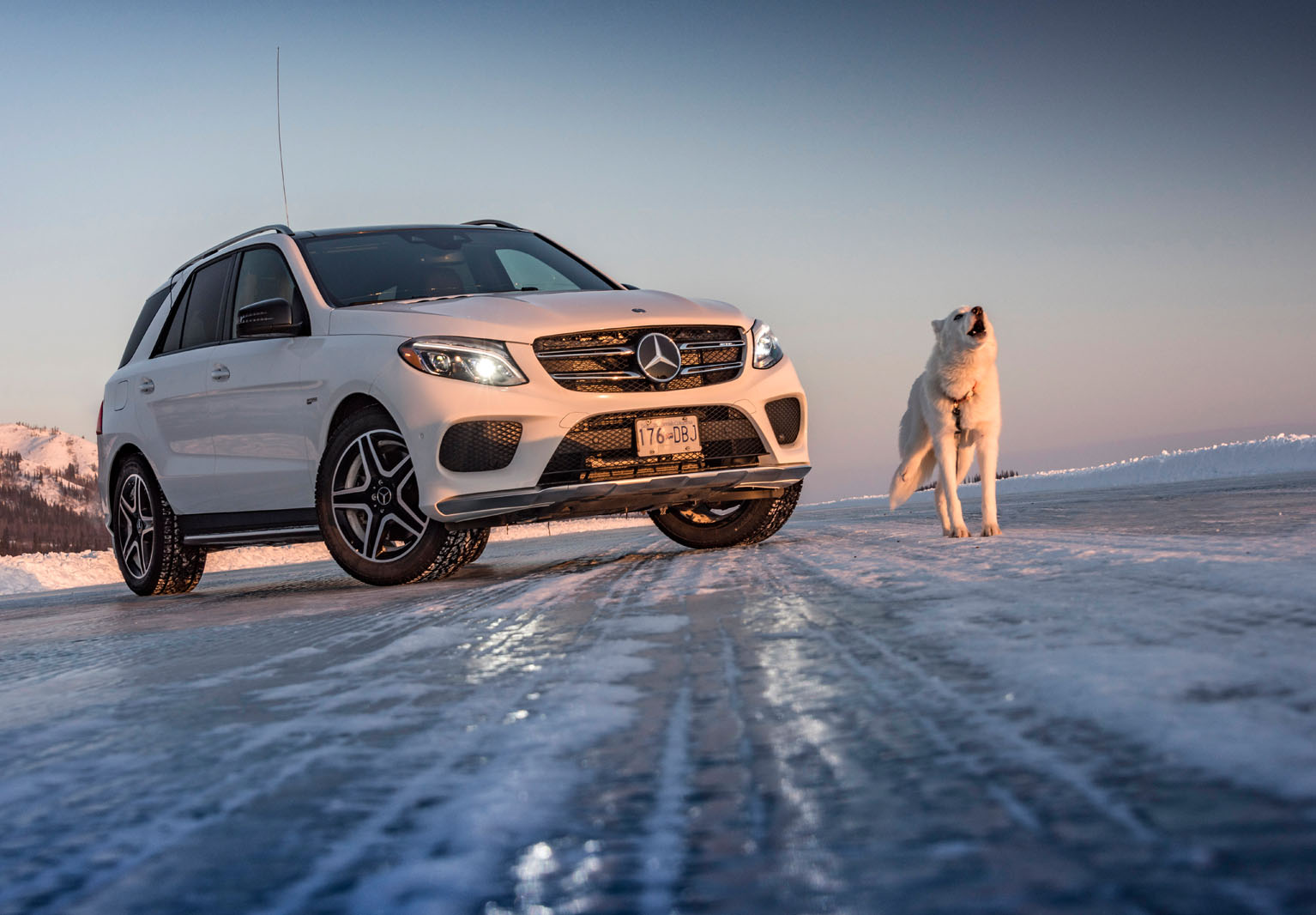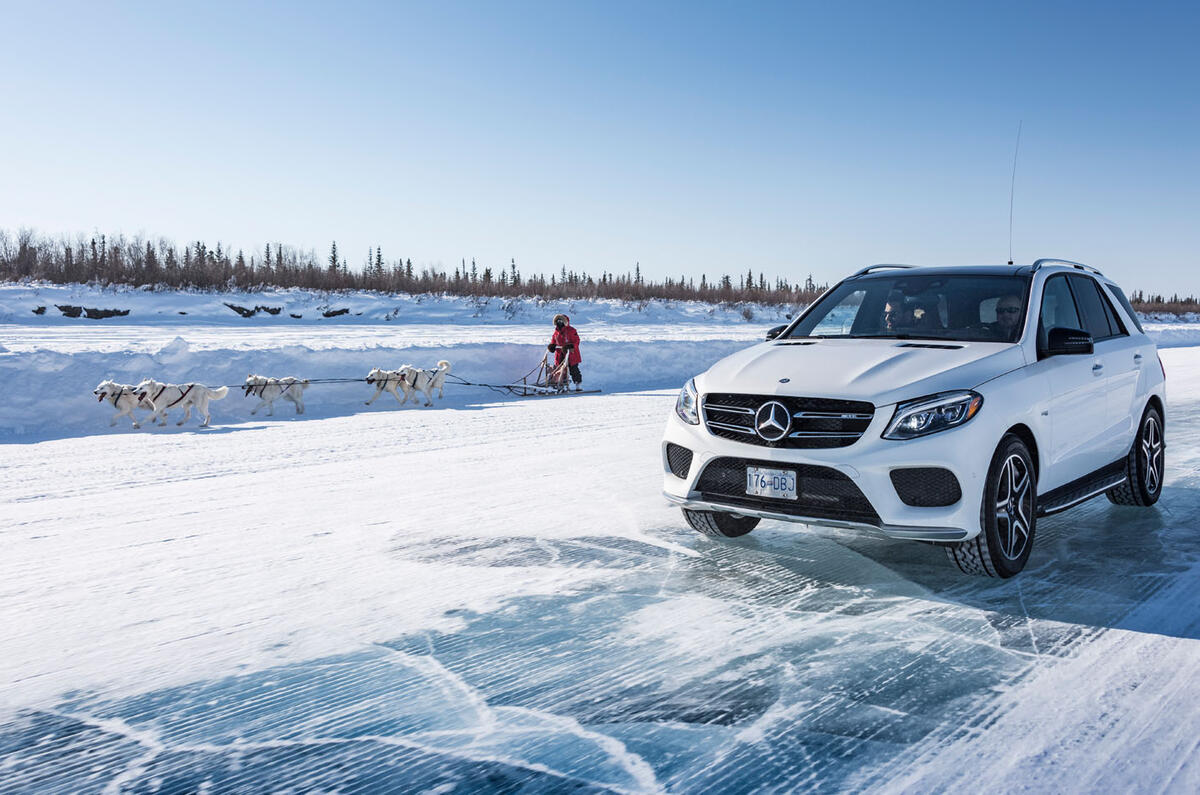
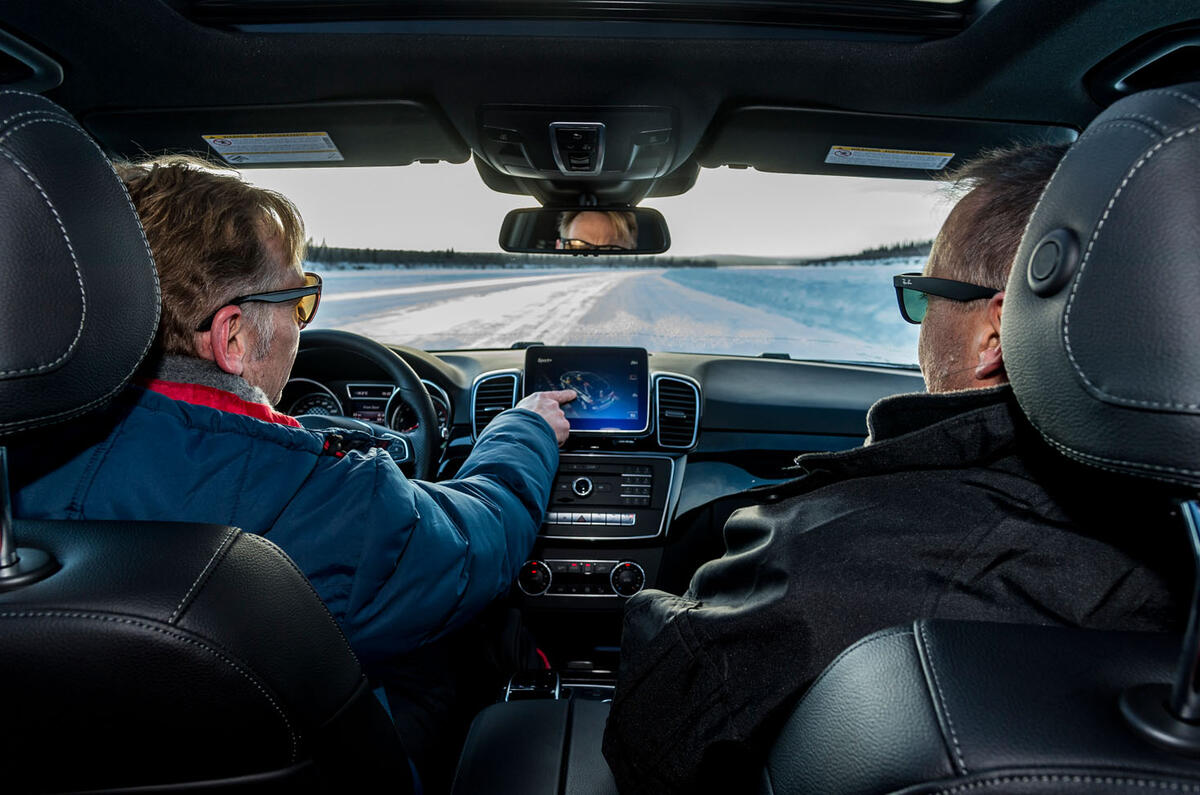




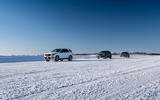
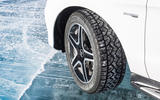
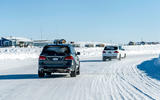

The digital thermometer within the instrument binnacle is showing –21deg C. Factor in the stiff north-westerly wind blowing in off the Arctic Ocean and it is scarily, painfully, life-threateningly cold.
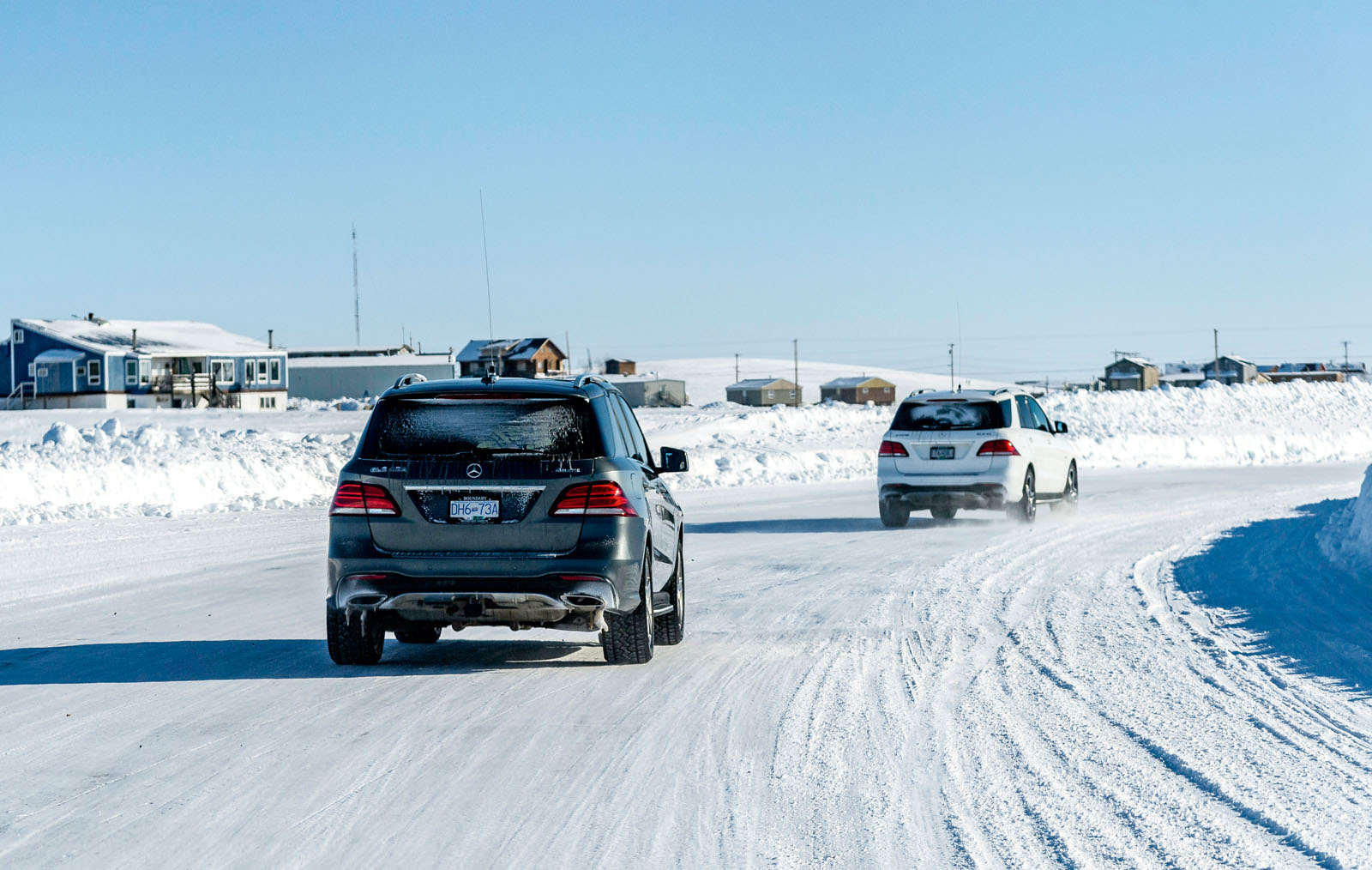
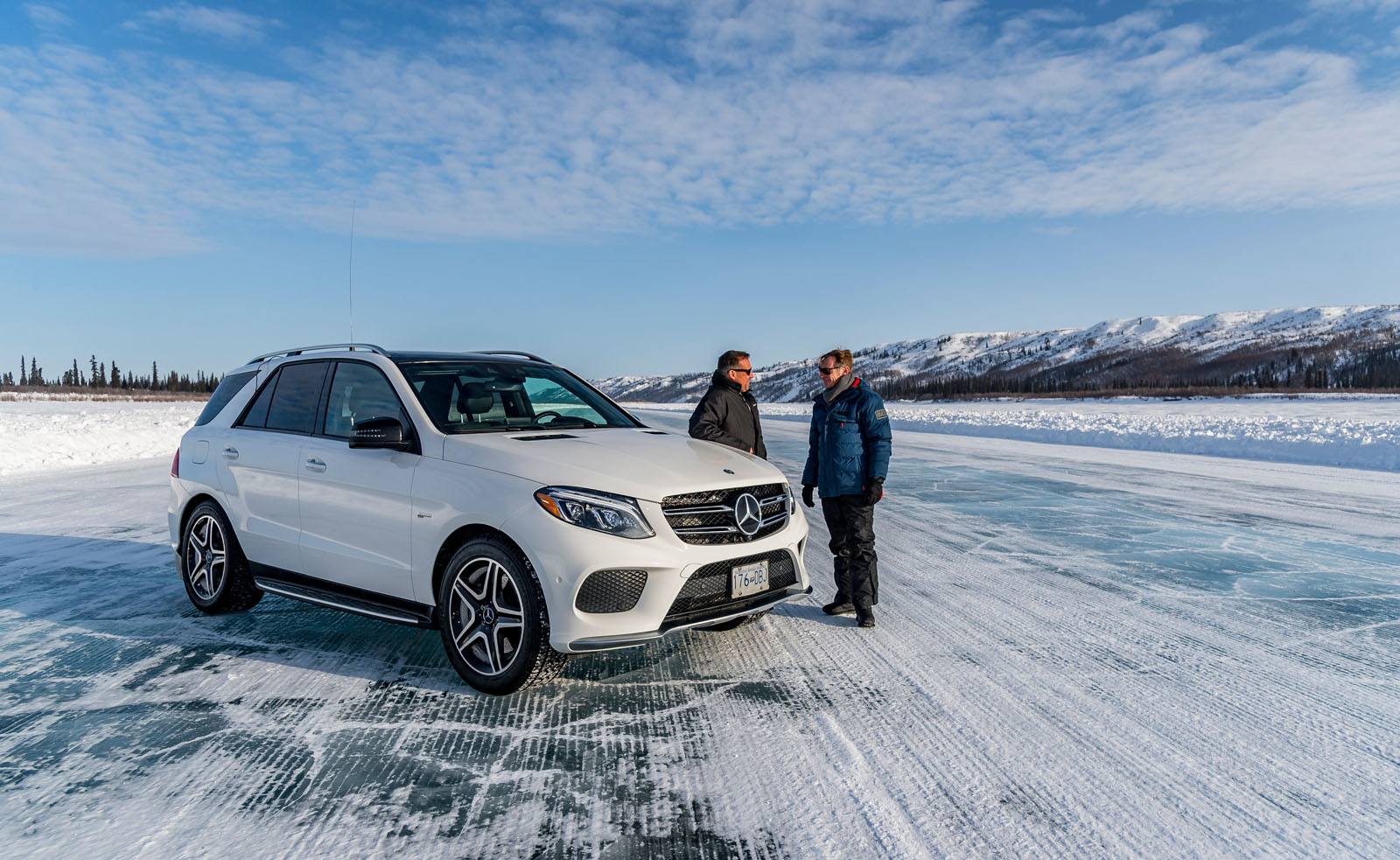
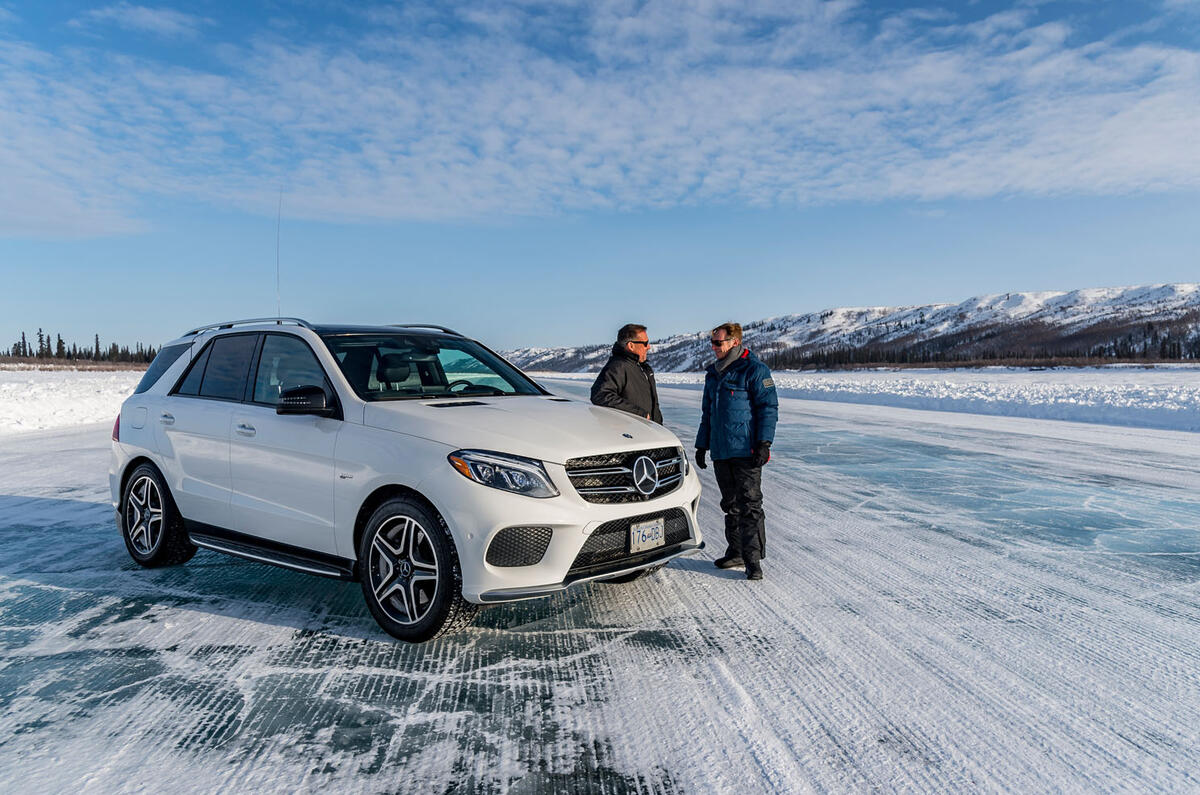
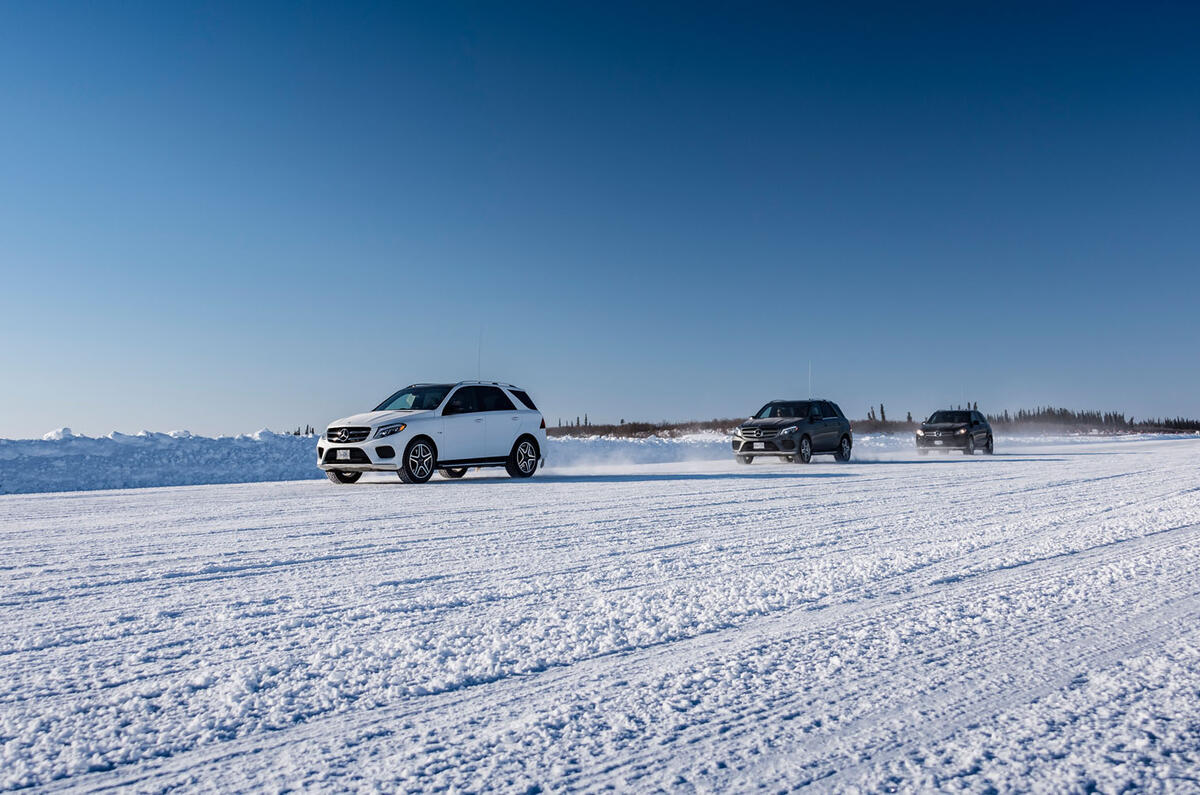
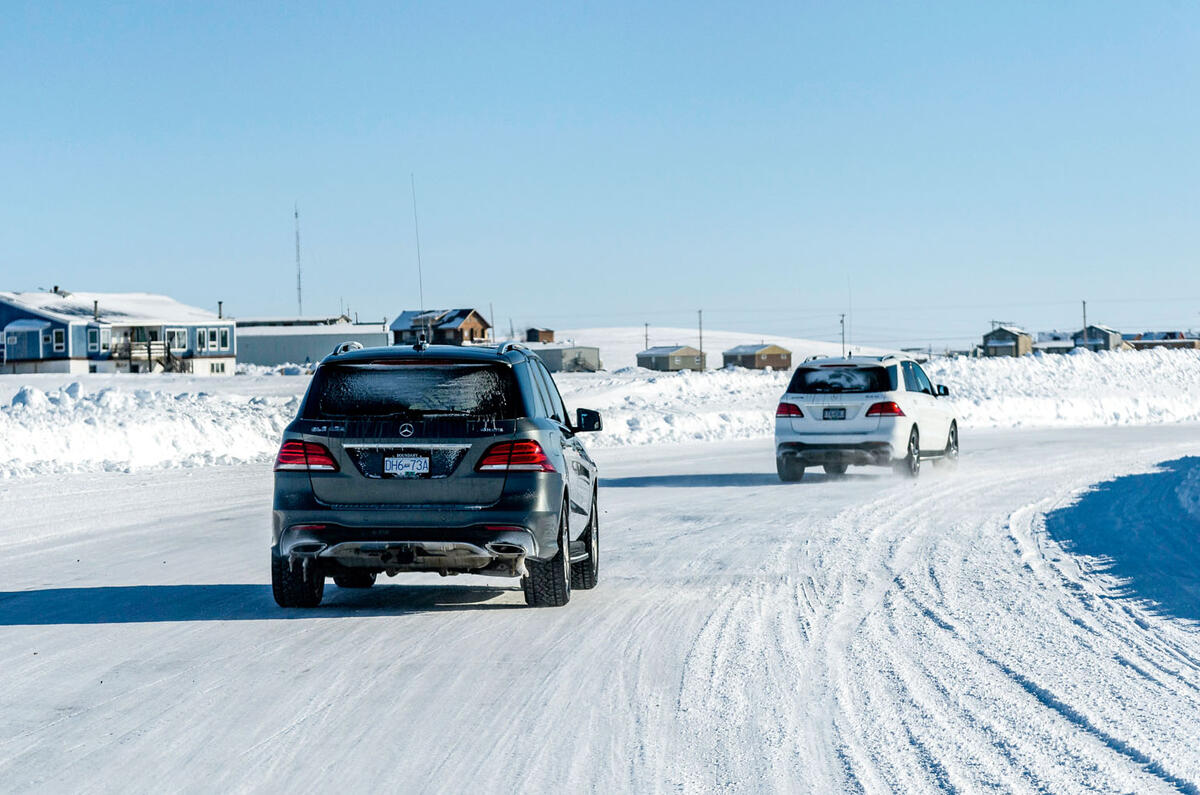
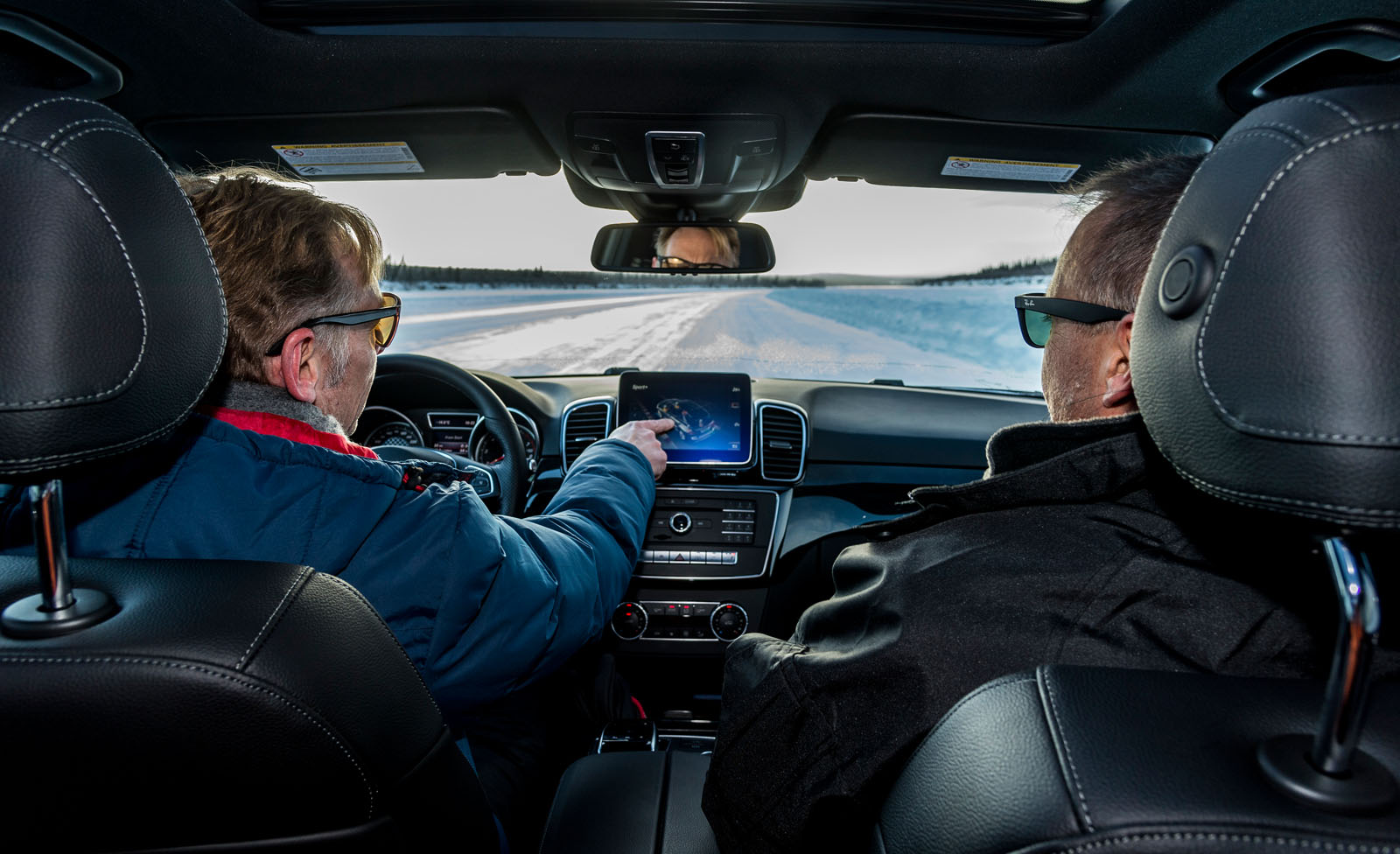
But from where I’m sitting, life couldn’t be any more pleasant. Perched high on a heated quilted leather seat with a warming current of air being directed to the footwells of our Mercedes-AMG GLE 43, we’re driving along what, at certain times of year, is the only road that connects the towns of Inuvik and Tuktoyaktuk in northern Canada.
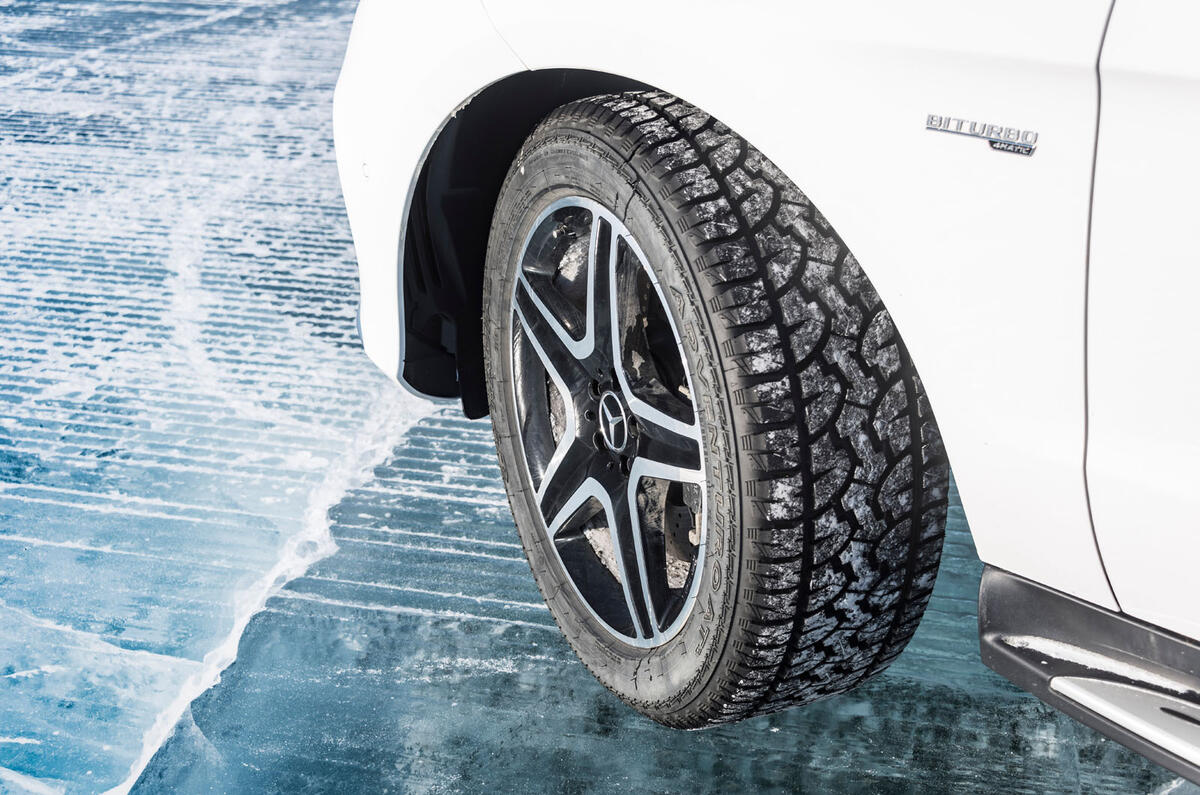
Except that it is not a road at all – not in the traditional sense, anyway. In the later spring, summer and early autumn, it is a huge river delta whose vast waterways draw in tourists for kayaking and boating adventures in one of the most remote parts of the North American continent.
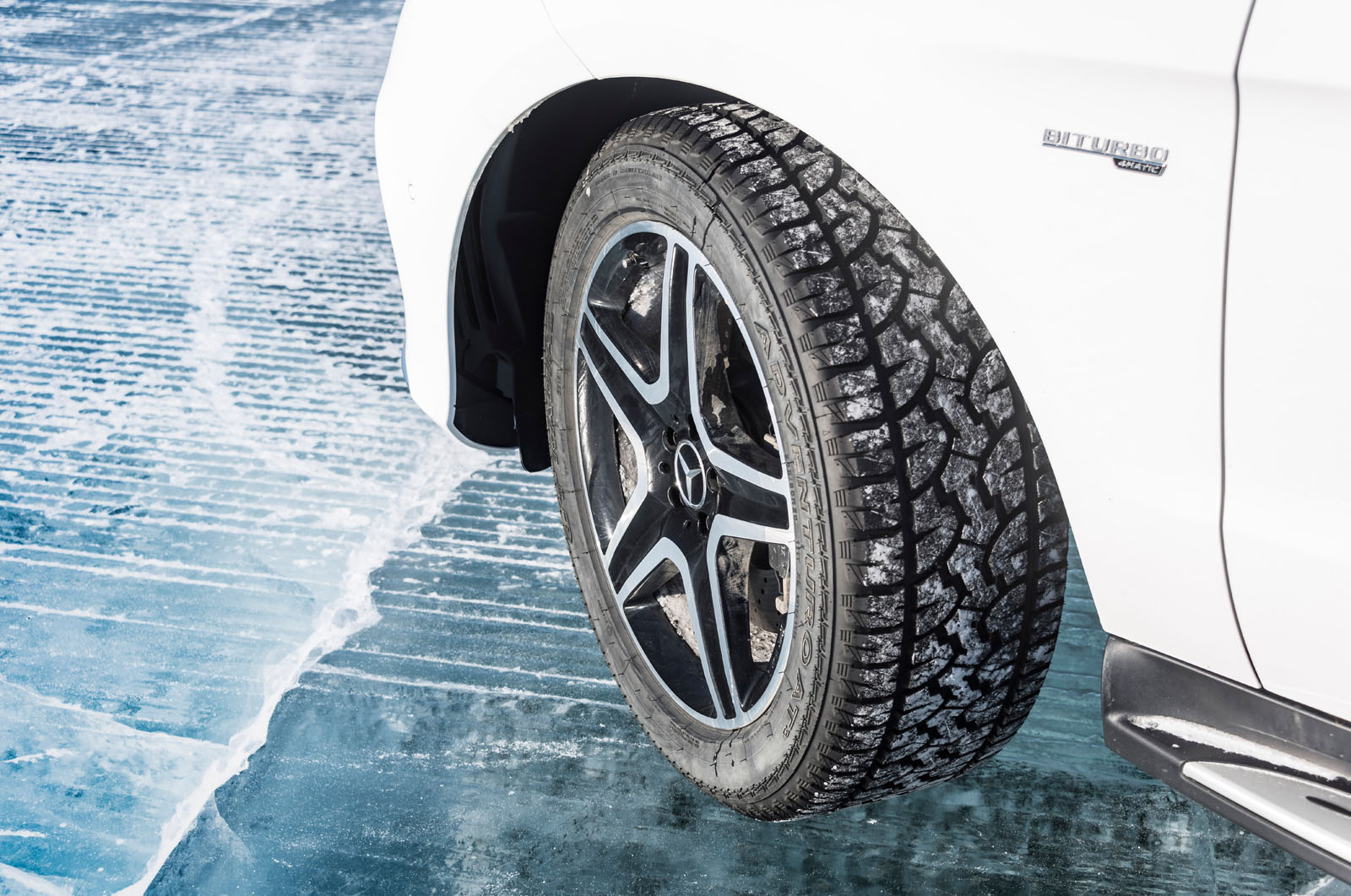
During the winter months, though, the river freezes to form a layer of ice that is then prepared like a huge meandering skating rink, creating a frozen highway that locals around these parts have come to call, for want of a better name, the Ice Road.
Thrust into public consciousness by the reality TV series Ice Road Truckers, the frozen road, which in parts also runs through the tundra permafrost and over frozen sections of the Arctic Ocean, has long played a role in connecting remote communities in Canada’s isolated Northern Territories, providing a vital transport route for multinational oil companies and diamond mines as well as the Canadian army.
An extension of the land-based Dempster Highway beginning on the outskirts of Inuvik, the ice that forms over the Mackenzie River each winter has traditionally been prepared for a distance of 114 miles, ending on the entry to the town of Tuktoyaktuk.