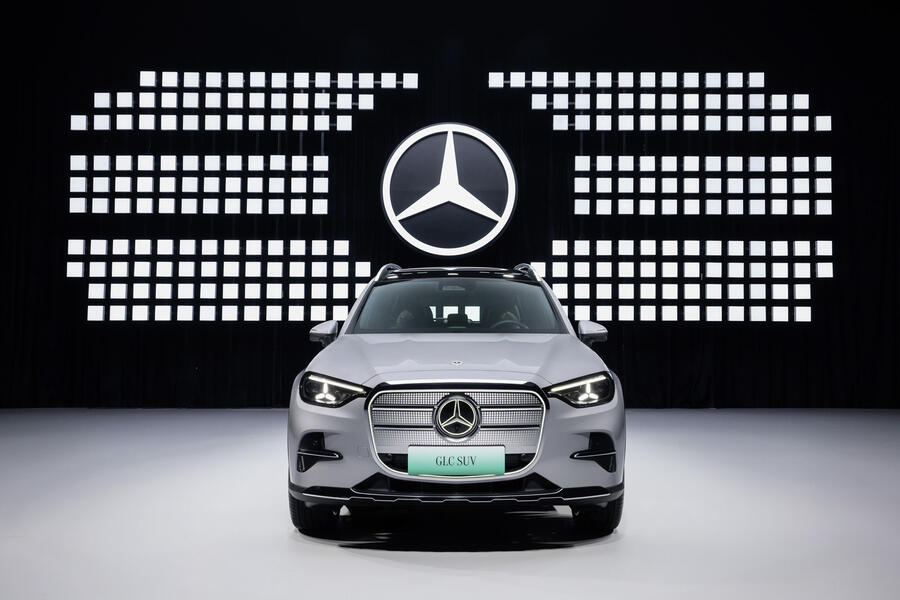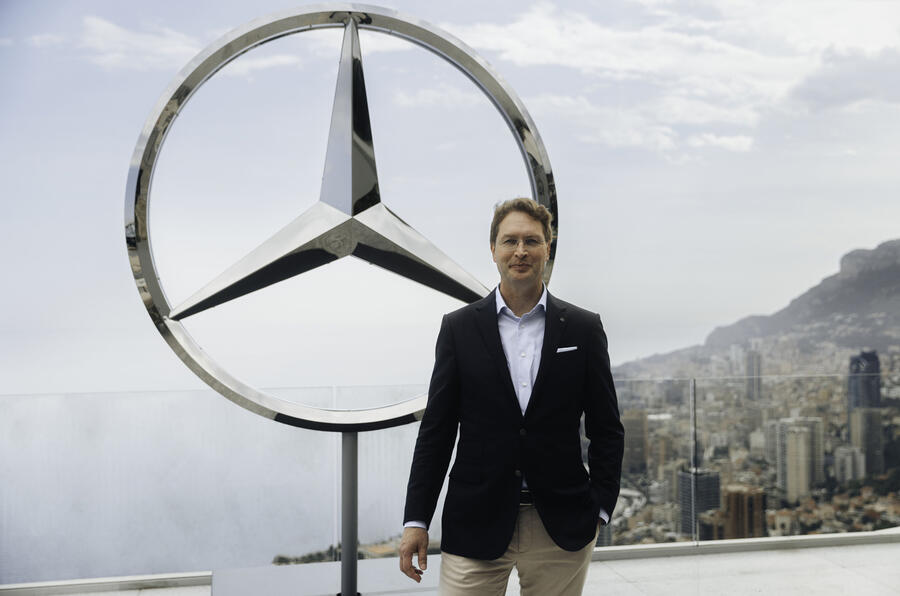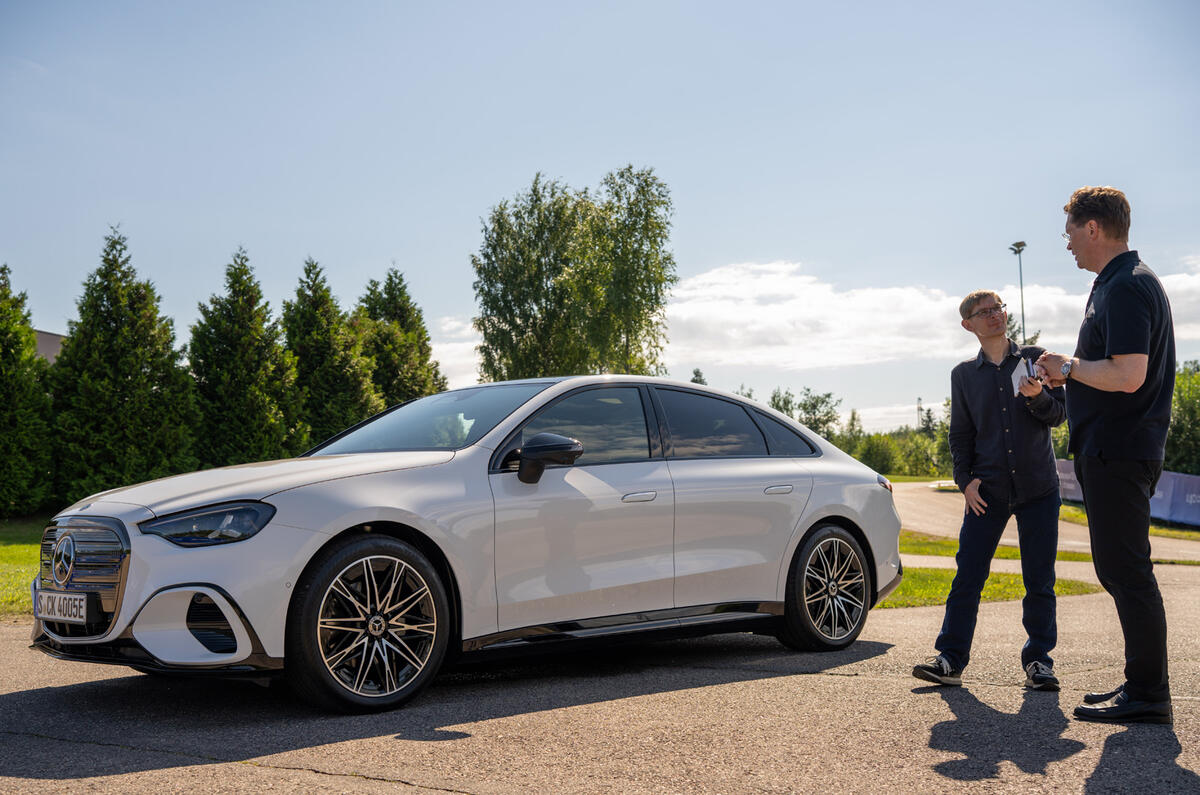

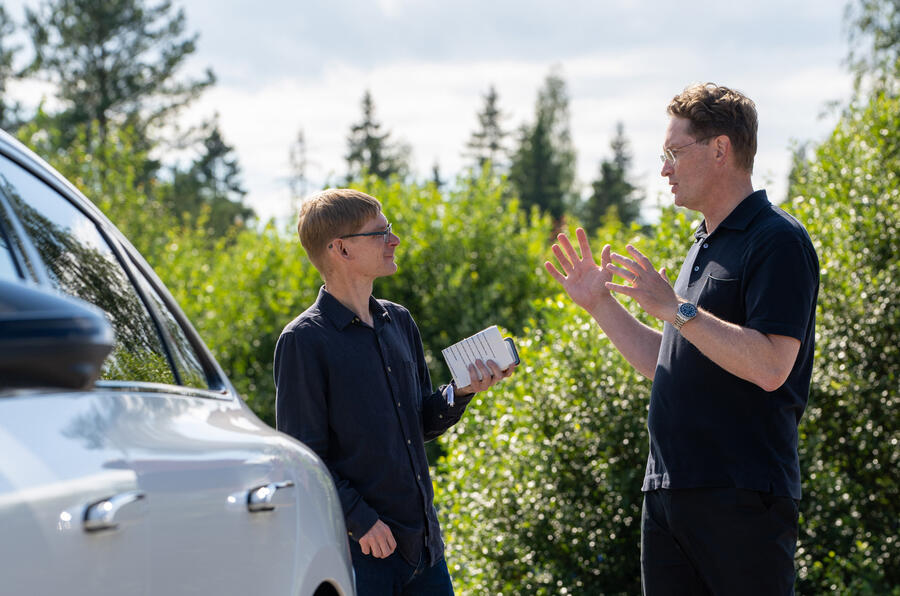
Mercedes-Benz CEO Ola Källenius is clearly proud of the new C-Class Electric saloon. Proud enough to travel from Stuttgart to Helsinki to pop into the launch event and, after spending 20 minutes fielding questions from a buying pack of eager reporters, take me on a private 45-minute drive of the Finnish countryside. He wants to show off this car and is keen for Autocar readers to understand what it can do.
“It’s nice and quiet and feels more like an E-Class,” says Källenius, as we glide along in notable tranquillity. “We’re doing 80kph [50mph] now, but if we were on the autobahn doing 200 [124] you’d have the same feeling…"
At this point Källenius is interrupted, not by me with a probing follow-up question but by the C-Class itself: “The feeling of driving at high speeds on the autobahn can be exhilarating.”
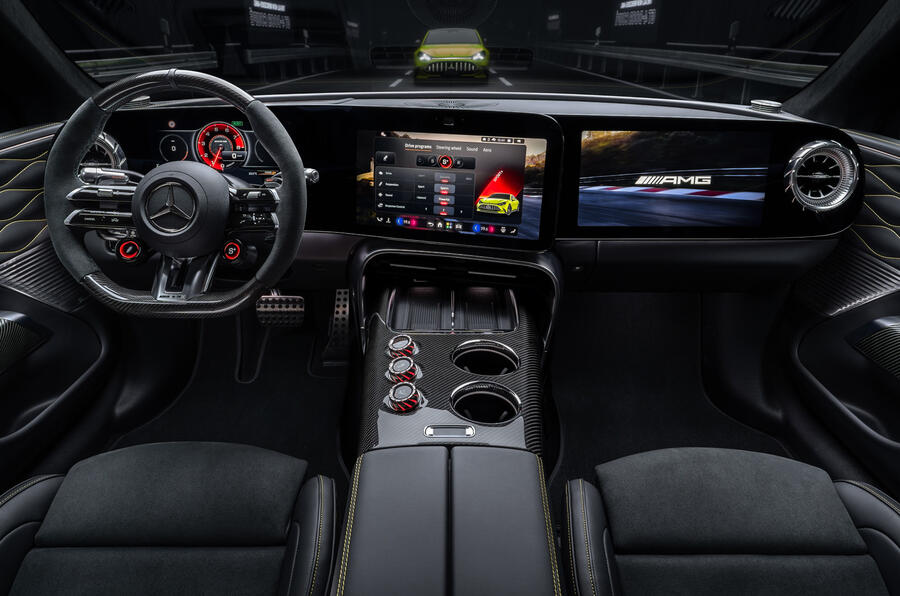
Having his own car vocally interrupt an interview is a first for Källenius, but this surreal moment encapsulates the complex, balanced transition that Mercedes is undergoing, as it adds huge digital capabilities to its vehicles while still maintaining the traditional premium strengths that have underpinned them for 140 years.
With its first generation of electric vehicles, Mercedes kept the two strands separate – for example, selling the EQE beside the combustion-engined E-Class. But the new C-Class and closely related GLC mark a distinct shift in offering you the choice of powertrain – albeit with the ICE and EV versions built on different platforms.
“We had buyers enter the brand with those first electric models in the market. They learned to love Mercedes later in their life, maybe,” says Källenius. “The traditional Mercedes customers are now coming into this. But if they still want a high-tech combustion engine, we can do that. It’s not a problem. Customers will decide when to switch at their own convenience.”
The introduction of the new MMA and MB.EA electric platforms (which respectively underpin the new CLA and GLA and new C-Class and GLC) has kick-started a rapid rollout of new EVs, along with heavy updates to keep their ICE equivalents in line. Mercedes is midway through launching 40 models in three years by the end of 2027. Even for an industry giant, that’s a huge undertaking.
“The key is a thought-through architecture strategy,” says Källenius. “If every nut and bolt on every one of those cars was new, you could never do it, but if you have a modular strategy and an operating system platform strategy – the whole brain and central nervous system of the car – you don’t have to fundamentally develop a new each time.”