

As car dealers in the UK open up again, it’s safe to say that the past year has been unlike any other in living memory. Businesses have had to adapt faster than ever before and technology has changed things dramatically, but what does all that mean for the future? In the latest Autocar Business online seminar, we chatted to Wayne Bruce, a leading member of Bentley’s crisis management team; Sue Robinson, CEO of the National Franchised Dealers Association; and Felipe Munoz, a senior global analyst at Jato Dynamics.
Watch the latest Autocar Business webinar here
At what pace were you making decisions back in March last year, and how did you go about making them?
Sue Robinson: “We had never seen anything like that before, obviously, and it all happened very, very quickly. From a trade association point of view, it really was down to us to step up to the mark.
“We set up a small-ish group of chief executives to work with us to look at what was happening, engaged with government departments and had our legal team on standby.
“It was fast-moving but slow. Things were happening quickly, but we also had to get responses from the government; and in many cases, you’re dealing with different departments who might have varying views.
“Then when we came to actually opening up, we lobbied incredibly hard. It took an awful lot of banging on doors to get these showrooms open two weeks ahead of other retail.”
To receive the latest industry news, please click here to sign up to the Autocar Business newsletter
Wayne Bruce: “It does seem like decades ago. I remember the first crisis management team meeting devoted to Covid, and that was at the end of January. We could see the pandemic coming closer and closer to the UK, so we started stockpiling parts, using warehouse space that we had taken in readiness for Brexit.
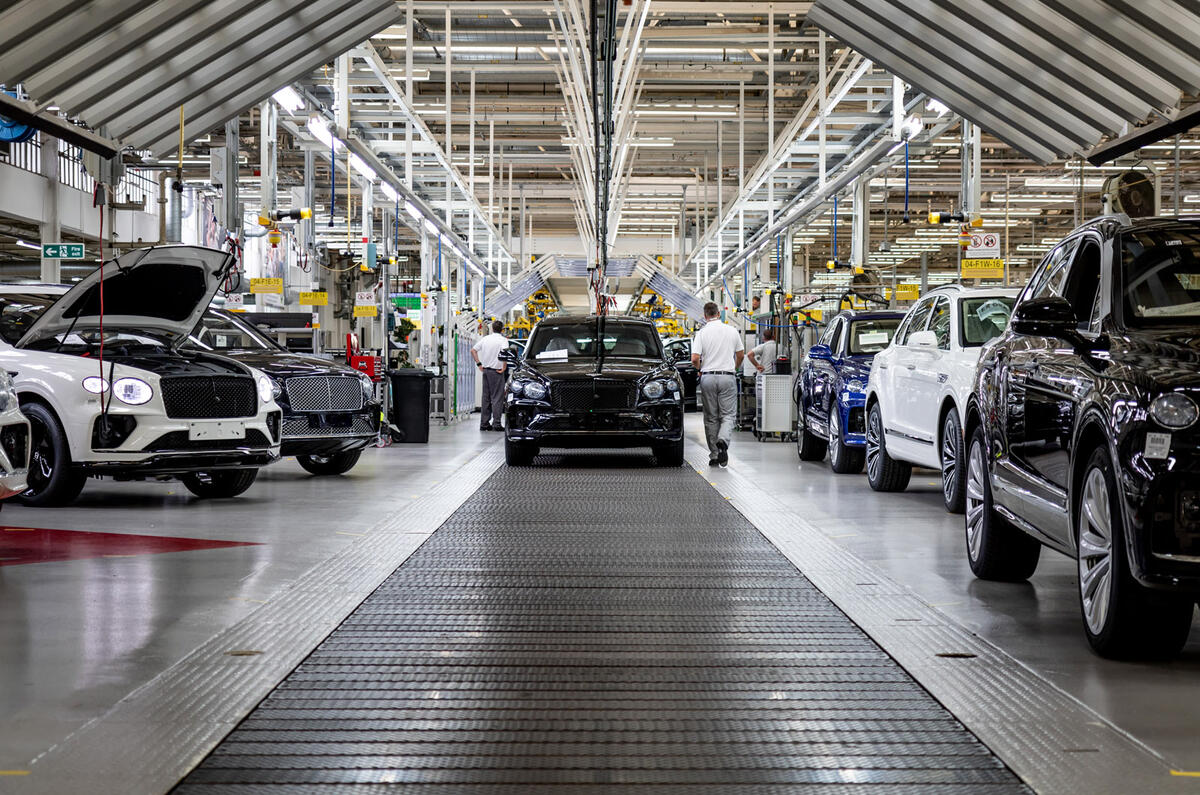
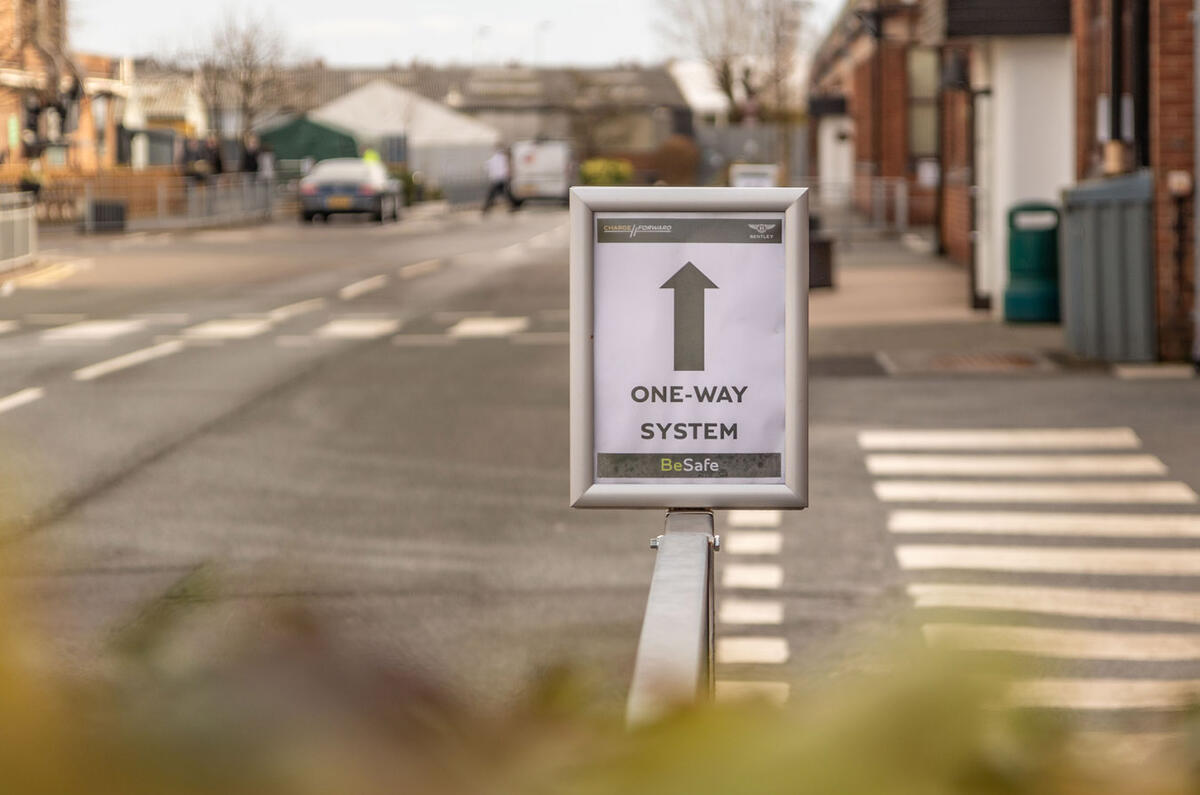
“But our priority was really the safety of the 4000 colleagues who work here in Crewe. Unlike our retailers, we didn’t have to close down. We could have continued production, but we took the decision to shut the factory down. For seven weeks, the factory was closed.
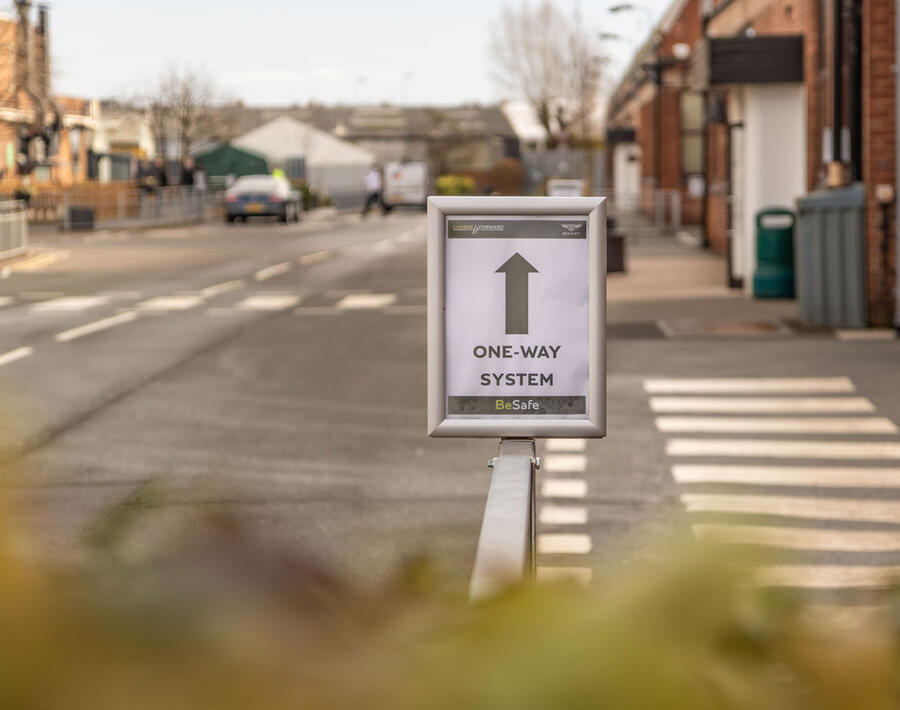
“However, we were still fortunate to have orders from customers and fortunate to have parts, and we realised it was costing us millions of pounds just to keep the lights on in an empty factory. So from our homes, we pulled together to look at how we could bring the 2000 manufacturing colleagues back on site in as safe a way as possible.