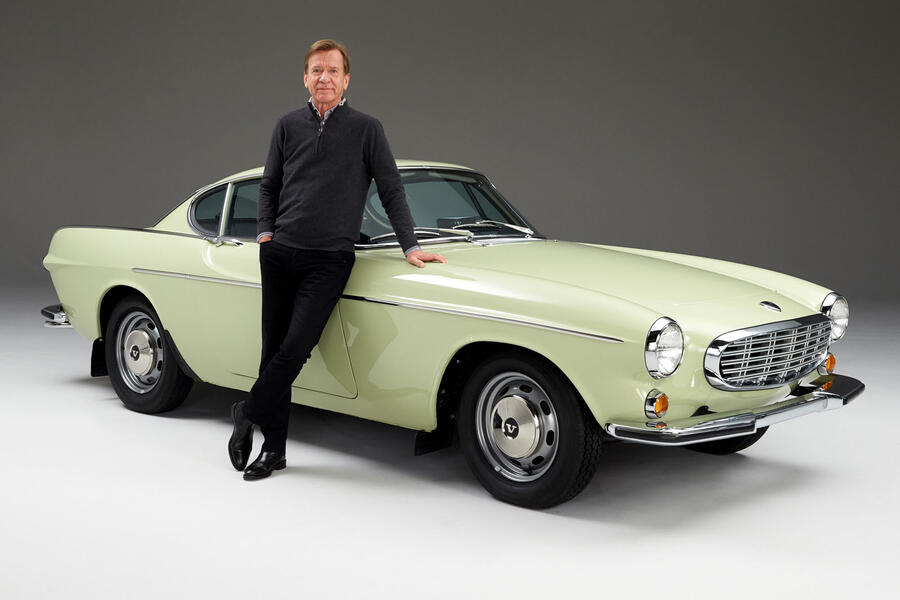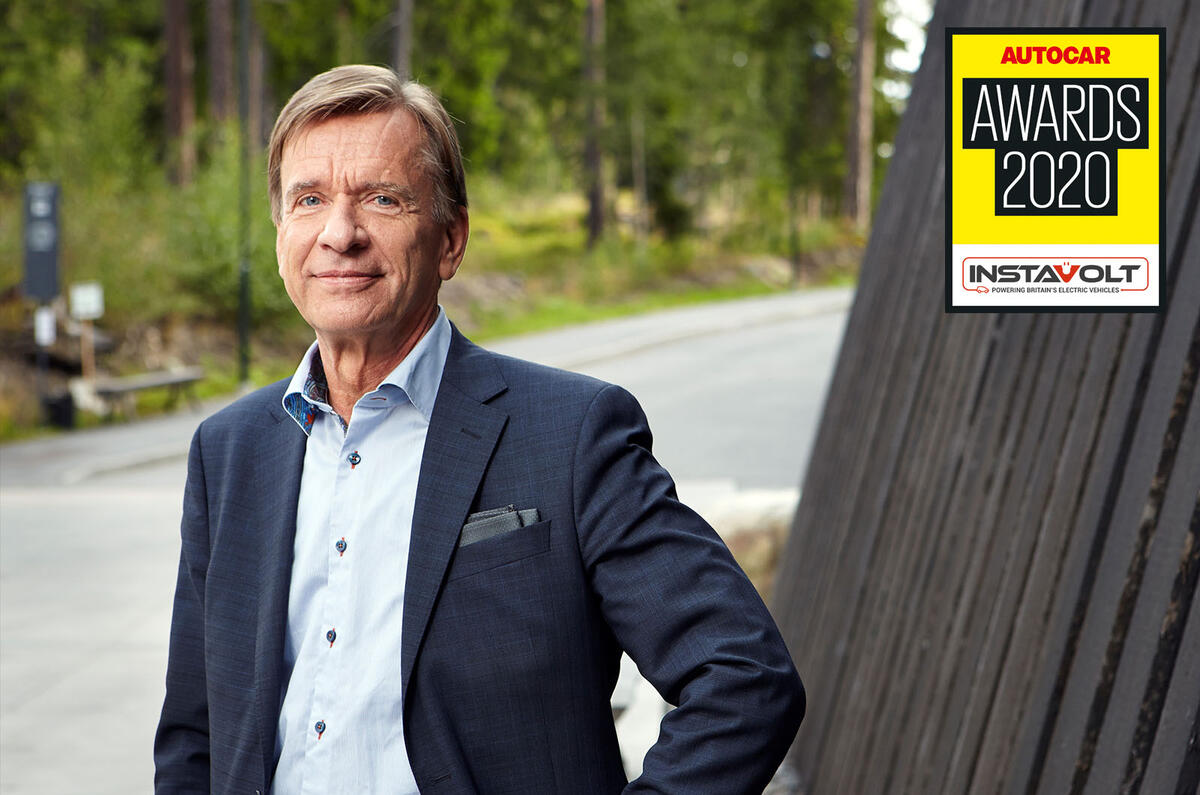
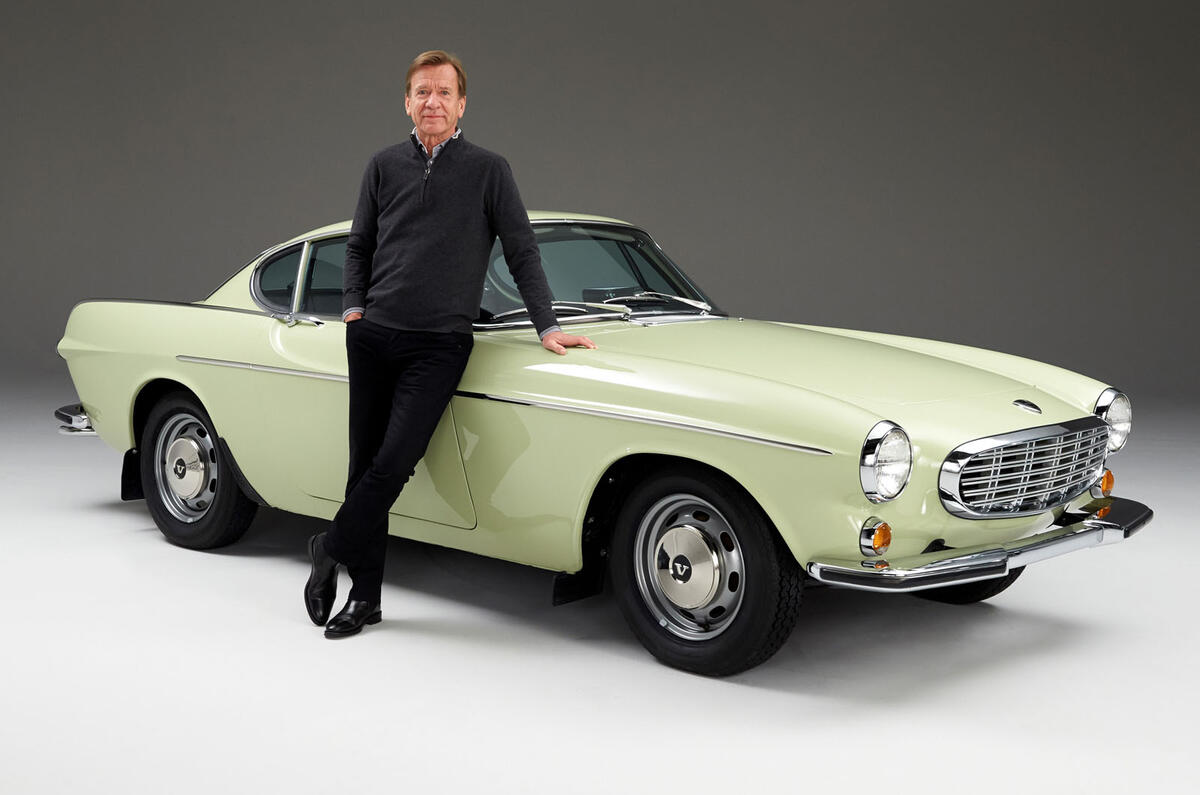
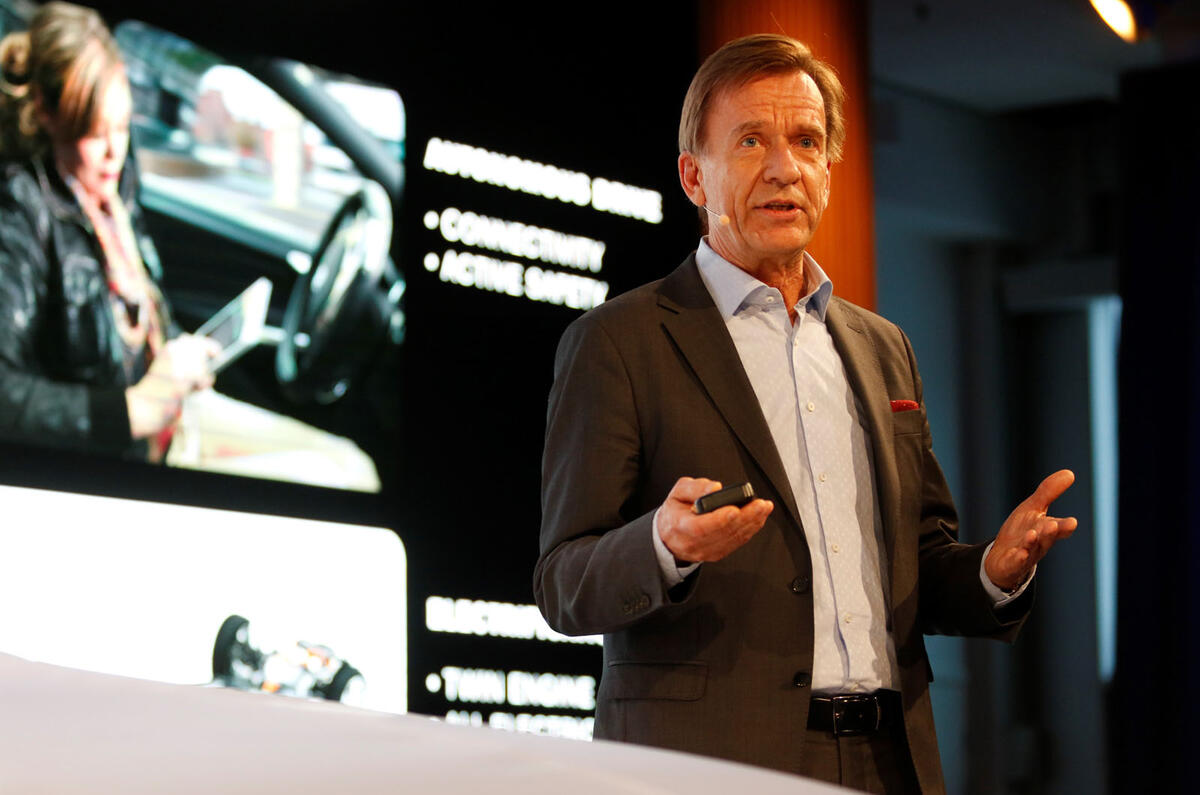










If it’s an exaggeration to say HÃ¥kan Samuelsson has worked miracles at Volvo since becoming chief executive eight years ago, the overstatement can only be slight.
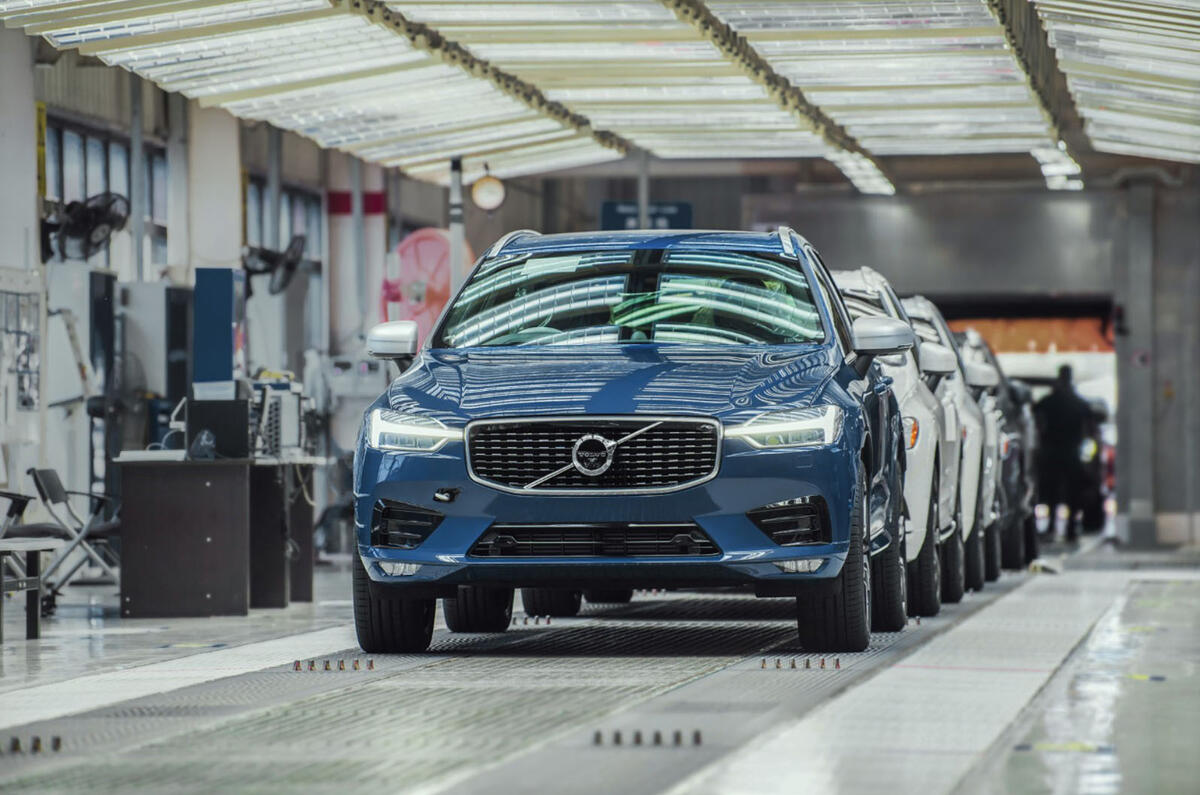
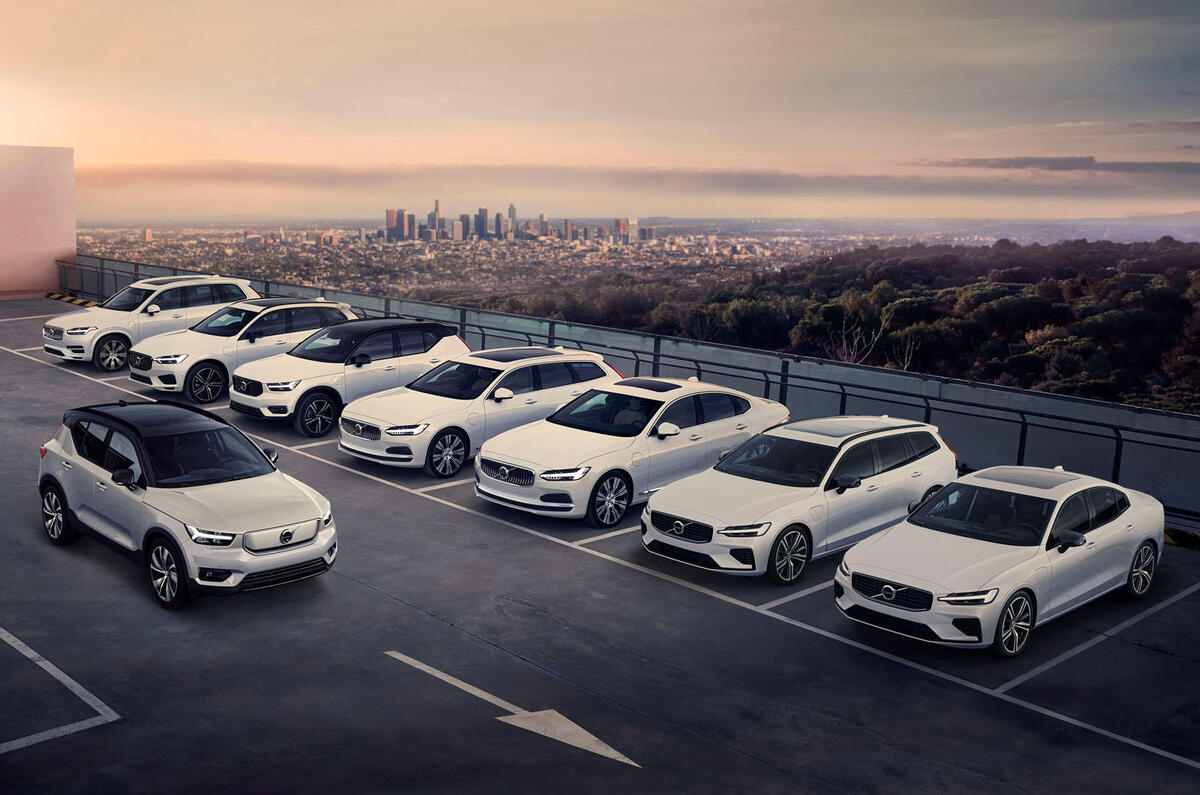
In that time, Volvo has doubled its annual car output to 700,000 units, raised its brand image to par with Audi-BMW-Mercedes, restored its previously weakened grip on the US market by opening a factory there, made big inroads in China and expects its car range to comprise 50% pure-electric models by 2025. Small wonder Autocar’s judging panel chose Samuelsson to win this year’s Issigonis Trophy, our premier award.
Given Volvo’s sheer pace of change, Samuelsson’s craggy-voiced, deliberate way of speaking takes you by surprise at first. But soon you learn that the voice suits the management style: this is not a man who bounces about spouting targets and KPIs. He actively dislikes those – so how has he delivered the success?
“There are three factors,” he says. “First, we’re selling our best Volvos ever. Our quality and technology are good, but now we have great design. Ten years ago, I think we can agree Volvo styling was not at its best. Second, we’ve regained US momentum. Five years ago, people speculated that we’d leave America altogether. Dealers asked how we expected to do well in their country if we didn’t invest there. That was an eye-opener for me. Third is the advantage of being owned by Geely, which gives us premium access to China. Add those up and you see our progress.”
Did Samuelsson expect such growth – six record years to 2019 and expansion of around 10% a year? “If you want to be a great company, the last thing you say is that you want to be great in 10 years’ time. It doesn’t create energy or motivation. It’s what you do today that counts,” he says. “We concentrated on doing what was needed and were confident of a good result.”
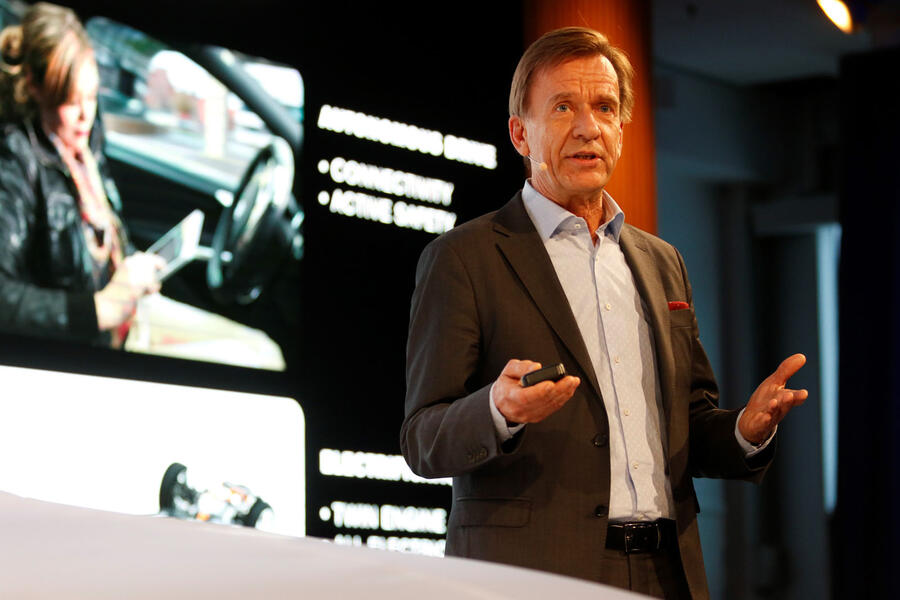
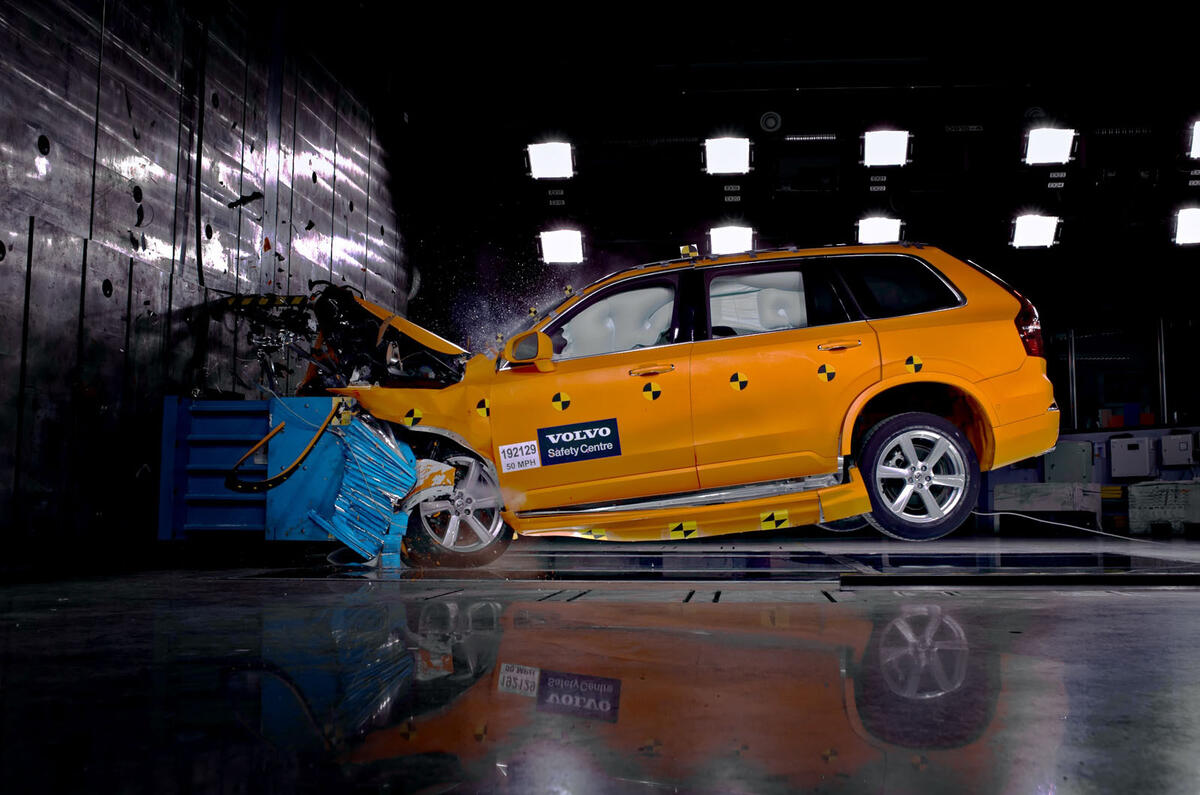
Progress meant finding a new way of facing up the Germans. “We decided long ago that we had to be premium. But we did too much benchmarking and copying. My first question was: what about safety? That’s a traditional Volvo value. People told me everyone had it these days. But the Germans are successful because they have known attributes: technology for Audi, driving dynamics for BMW, premium quality and prestige for Mercedes. We needed something different.”
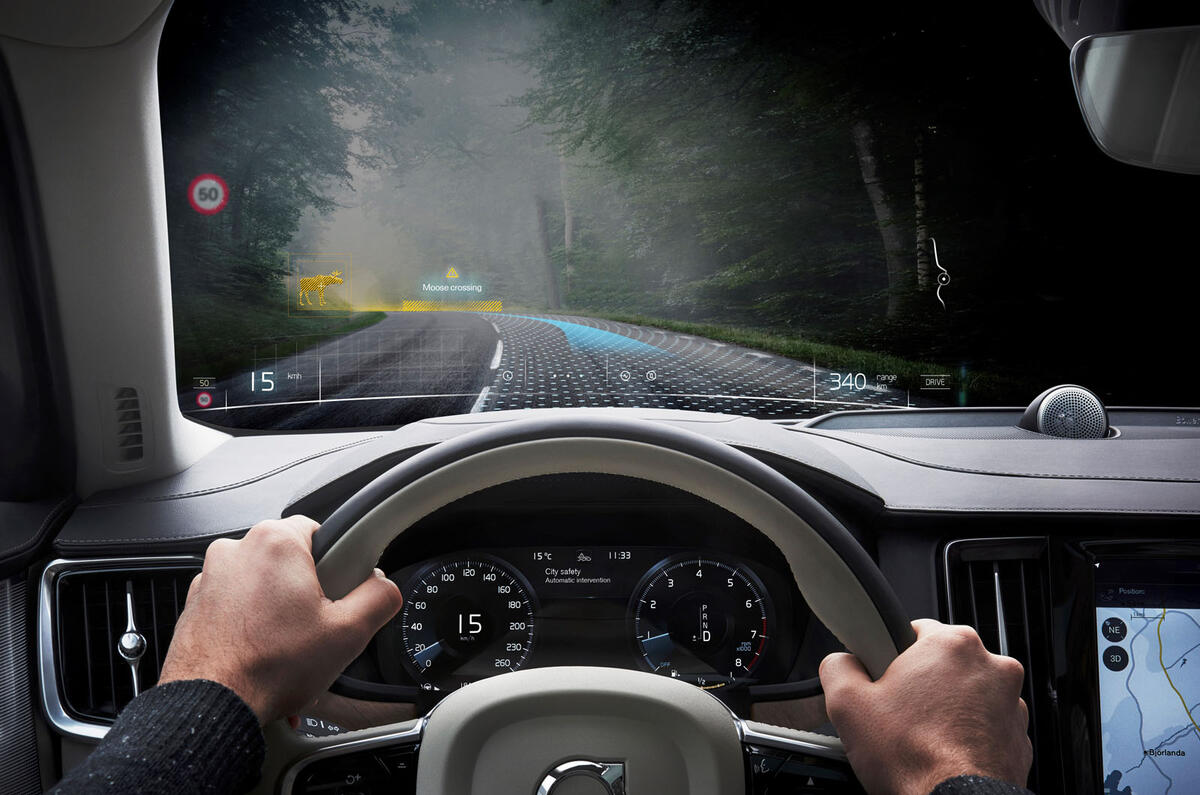
Samuelsson decided Volvo had to be “human centric”, with safety and sustainability at its core. “If you looked at society, you could see the wind blowing in that direction,” he says. “We began to major on it. Safety of families became important and a part of that was being bold enough to introduce a speed limit. [All Volvos are now governed to 112mph.] And sustainability matched that. For many people, guarding the planet is a part of guarding their families.”