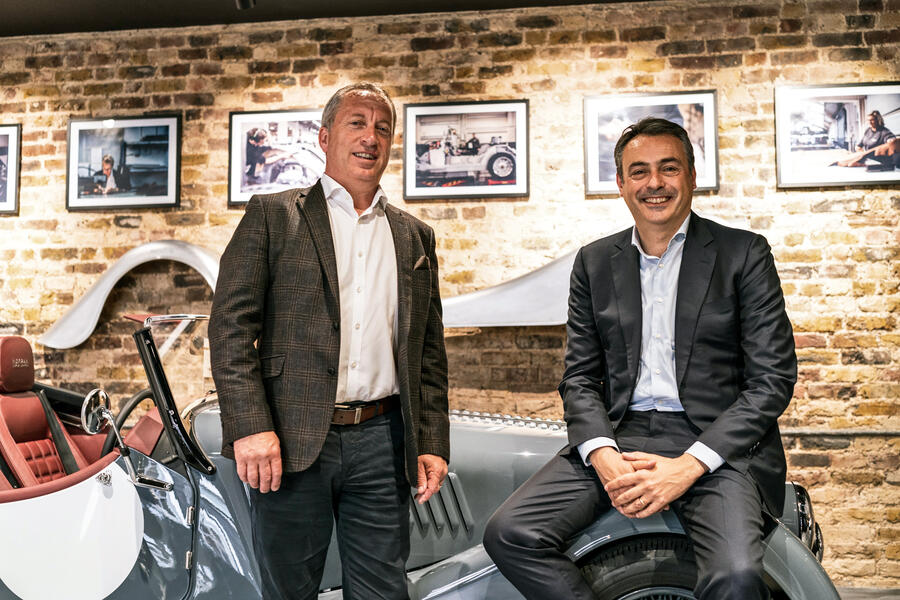
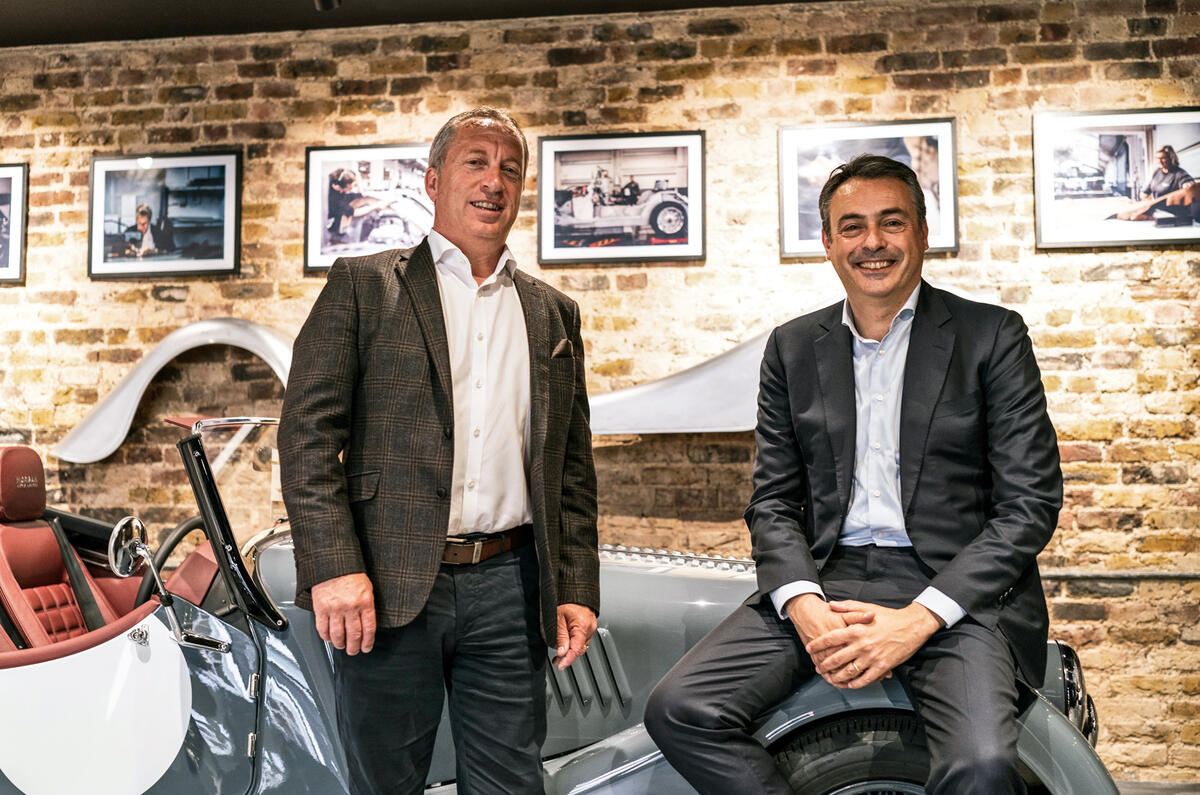




Morgan’s new CEO, Massimo Fumarola, has told Autocar about the priorities for his “exciting” new job, in an exclusive interview at the firm’s flagship UK dealership in Kensington, London, just weeks after moving over from his role as Lamborghini’s special projects boss.
Number one will be to “steadfastly” maintain Morgan’s authenticity and amplify the marque’s unique values and attributes. This, he said, is the essence, but the Morgan ethos also needs wider circulation. Number two will be to take all opportunities for the company to grow, and create more of them, without harming its natural assets. “Heritage isn’t insurance,” he said. “You must have good plans for your future.”
Morgan currently makes around 800 cars per year, and it sold a stellar 680 last year even with the 3 Wheeler out of production. The 70% of Morgans that go for export are distributed in 70 markets, the biggest of which are France, Germany and the US.
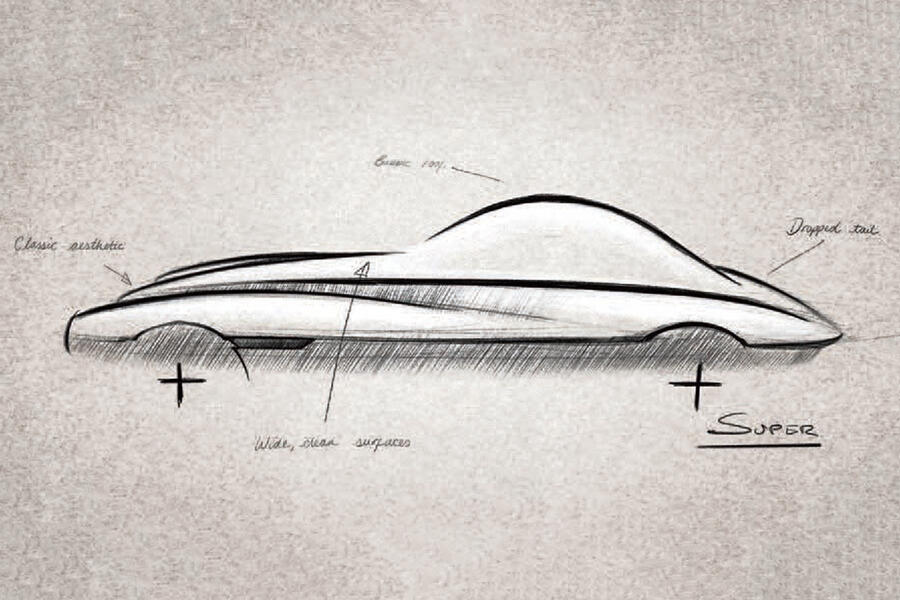
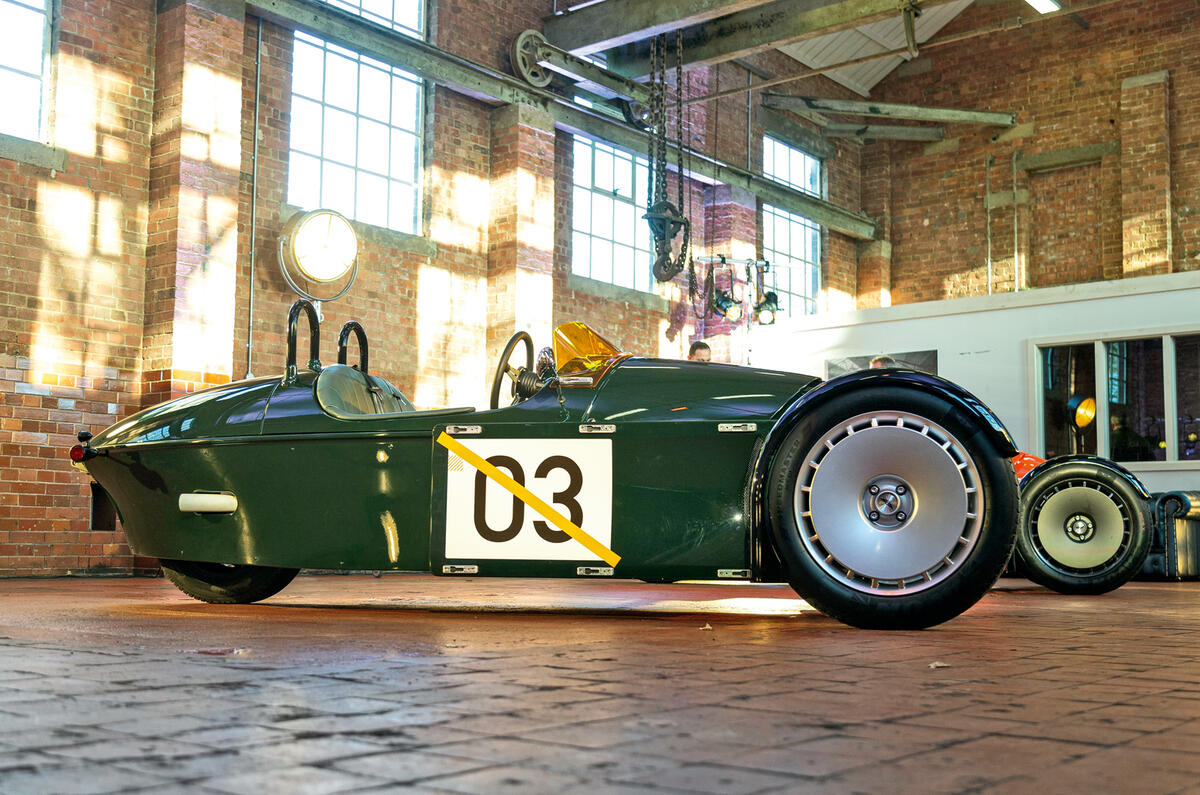
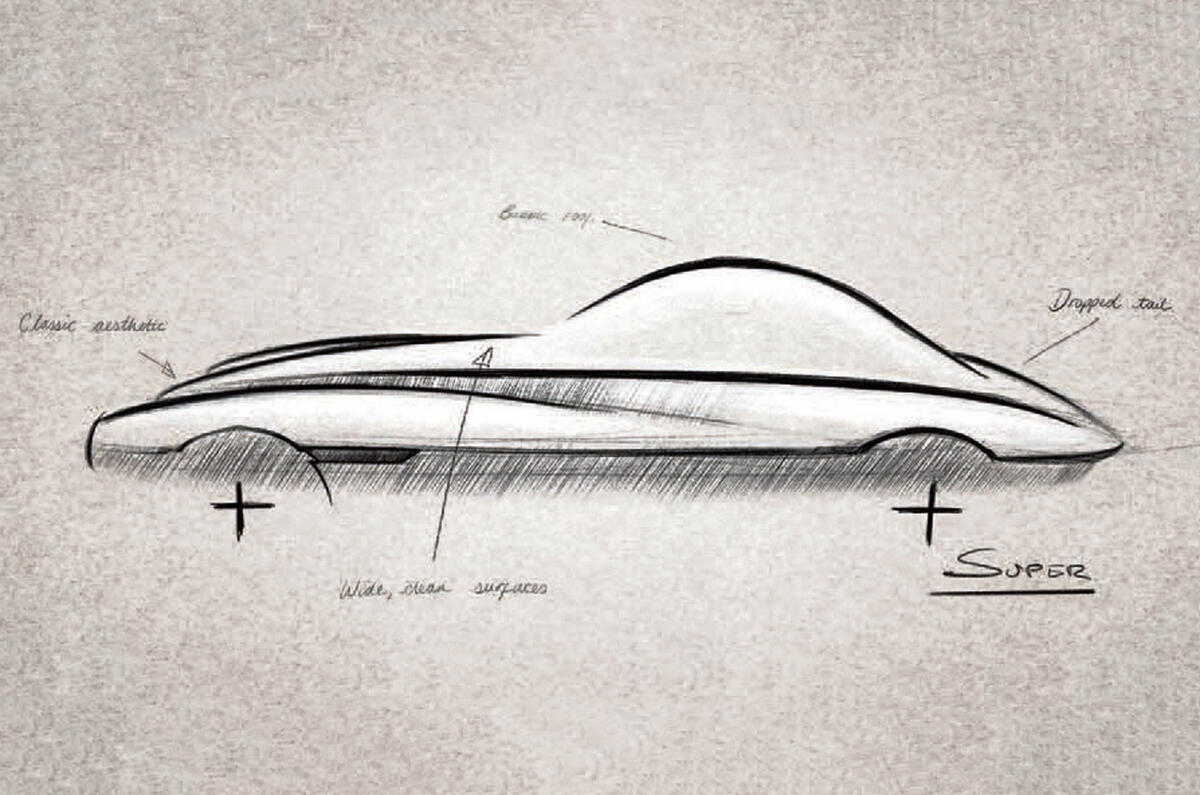
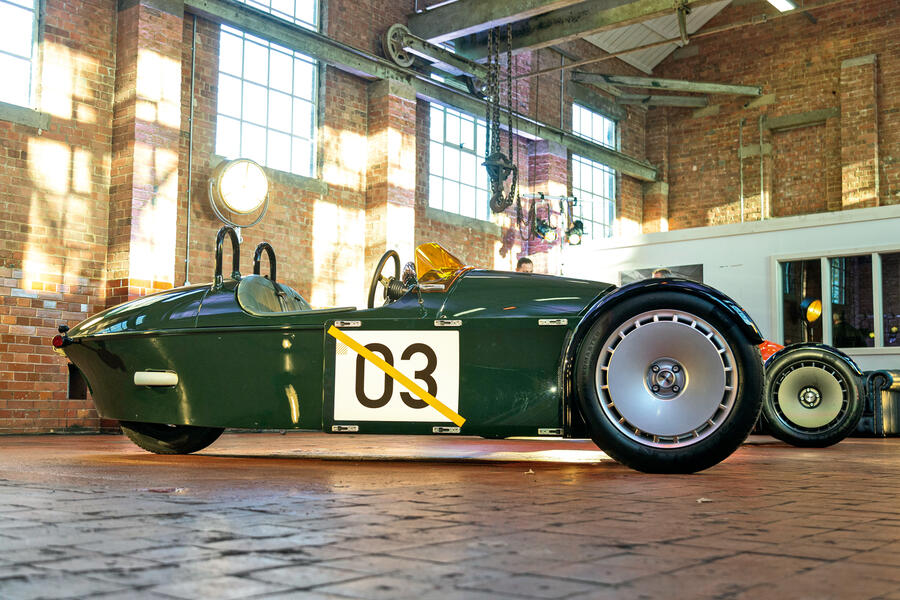
The firm has already hinted that it would like to be making 1500 cars a year in five years’ time and sees the emergence of the new Ford-engined Morgan Super 3 as providing its earliest opportunity to expand.
Success in the US, where the Super 3 complies with design regulations more easily than the company’s four-wheeled models, is a key opportunity. It’s likely the model will soon become Morgan’s best-seller.
This potential near doubling of output will require a considerable scaling up of plant and people (a new paint facility is about to open) and most of all lays bare the reasoning behind Morgan’s modest top management overhaul.
The company’s owner, Italian private equity firm Investindustrial, last month announced that the role of chairman and CEO, previously held by company ‘lifer’ Steve Morris, would henceforth be split into two. Morris would be elevated to the role of executive chairman, while Milan-born Fumarola would become CEO with responsibility for day-to-day running.
Until now, Morris, who started on the Malvern Link shop floor as a metalworking apprentice, has been closely involved at every level of company management. With more cars, more investment, more facilities, more people and electrification to contend with, Morris acknowledges that he will need to concentrate more on strategic thinking.